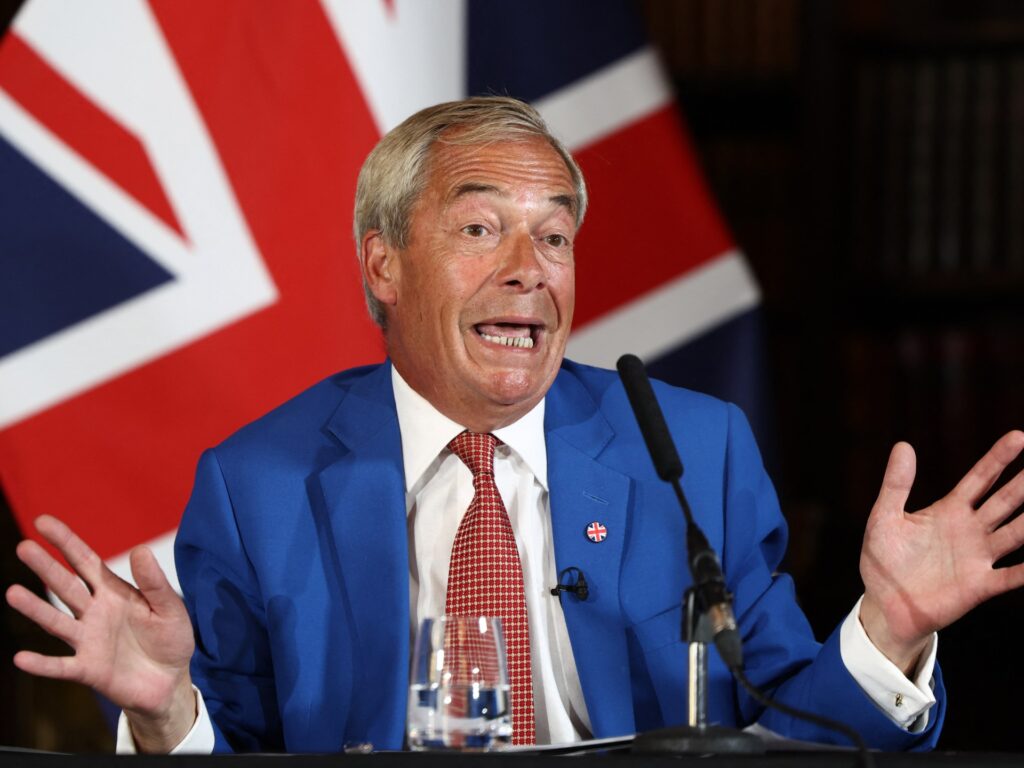
Reform UK, the far-right political party, is grappling with a fresh wave of turmoil as several of its officials have stepped down following allegations of financial misconduct. The resignations came in the wake of a recently released documentary that accuses the party of orchestrating a scheme to have an overseas company fund its polling activities.
The documentary sheds light on the controversial funding practices, suggesting that Reform UK arranged for a foreign entity to channel money into its polling operations, bypassing established political financing regulations. This revelation has triggered significant backlash and questions about the party’s adherence to transparency and legal standards.
In response to the allegations, multiple party officials chose to resign, aiming to distance themselves from the scandal and mitigate the potential fallout. The resignations underscore the seriousness of the accusations and the internal crisis facing the party.
Reform UK, known for its far-right stance on various political issues, has been under scrutiny before for its funding sources. However, this latest scandal marks a critical point in its public image, with political analysts suggesting it could have long-term ramifications on the party’s credibility and electoral prospects.
Observers note that funding scandals often damage political parties by undermining public trust, leading to increased regulatory scrutiny and potential legal consequences. The involvement of an overseas company adds an extra layer of complexity, raising concerns about foreign influence and the integrity of domestic political processes.
The party leadership has yet to release an official statement addressing the resignations and the documentary’s allegations. Meanwhile, opposition parties have seized the moment to criticize Reform UK, calling for thorough investigations and stricter enforcement of political funding laws.
This scandal comes at a sensitive time, as the party is preparing for upcoming elections where funding and legitimacy play crucial roles. The controversy may lead to intensified media coverage, increased public skepticism, and potential loss of voter support.
Legal experts highlight that if proven, the arrangements to receive overseas funding could violate electoral laws, potentially leading to fines, sanctions, or criminal charges against those involved.
The documentary serves as a significant exposé, revealing how political parties might navigate the complexities of funding to sustain their operations, often pushing ethical and legal boundaries.
As the situation develops, all eyes remain on Reform UK’s next moves, the response from electoral regulators, and the broader implications for political funding transparency in the country. The coming weeks are expected to be pivotal in determining the party’s future trajectory and the impact of the scandal on the far-right political landscape.