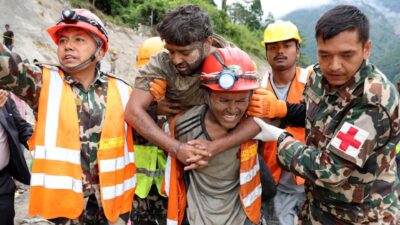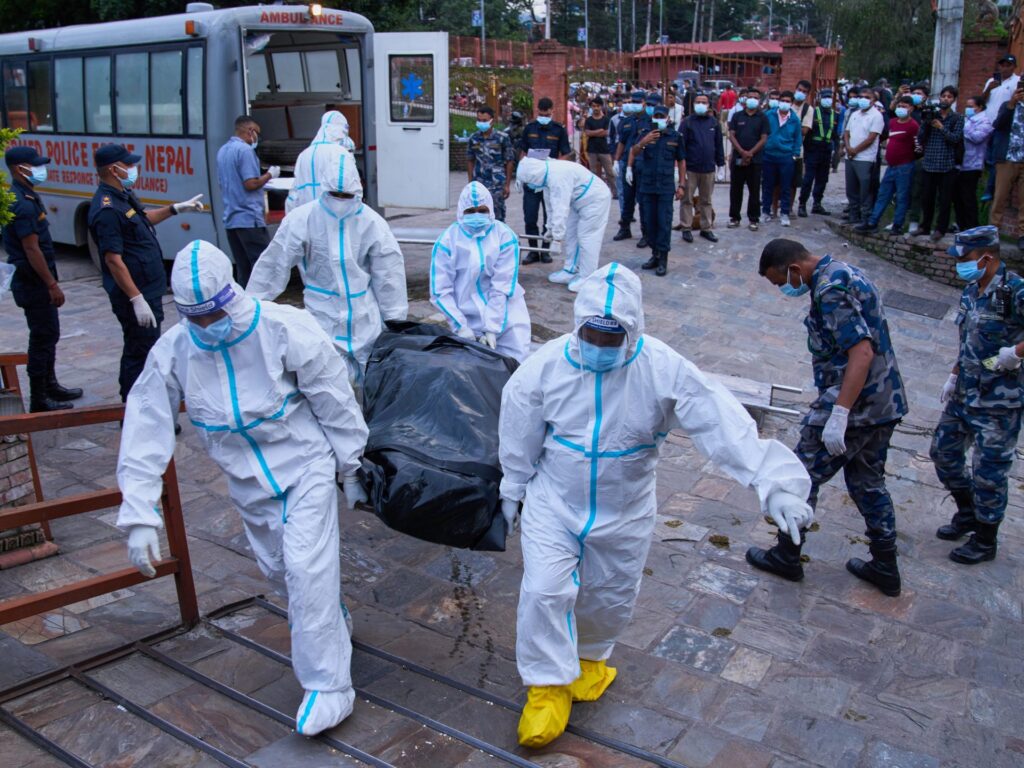
The recent floods in Nepal have caused immense devastation, leading to tragic loss of lives and widespread destruction. One of the critical challenges faced by rescue teams and authorities is the identification of victims, many of whom are severely mutilated or decomposed, rendering traditional identification methods ineffective. In such cases, DNA identification plays a pivotal role in providing closure to families and aiding in proper documentation.
DNA identification involves analyzing the genetic material extracted from the remains of deceased individuals. Even when physical features are obliterated due to severe trauma or environmental factors, the DNA remains a reliable marker for identification. The process begins with the collection of samples from the recovered bodies, which can include tissues, bones, or teeth, depending on the condition of the remains.
After sample collection, the laboratory work begins with the extraction of DNA. This delicate process ensures maximum retrieval of genetic material while minimizing contamination. Specialized techniques amplify specific DNA regions using Polymerase Chain Reaction (PCR), allowing scientists to generate sufficient quantities for analysis.
Once the DNA profiles are developed, they are compared against reference samples. These references typically come from relatives of the missing persons, such as parents, siblings, or children, who provide their DNA for comparison. By matching genetic markers, forensic experts can establish familial relationships and confirm identities with high accuracy.
The significance of DNA identification in disaster scenarios like the Nepal floods cannot be overstated. It enables authorities to provide timely and accurate reports to bereaved families, facilitating burial rituals and legal processes. Additionally, it assists in maintaining public records and helps in the investigation of the circumstances leading to the calamity.
In Nepal’s context, logistical challenges such as difficult terrain, limited infrastructure, and the sheer number of victims complicate the identification process. However, advancements in forensic science and collaboration with international agencies have enhanced the capabilities of local teams.
Moreover, DNA identification also plays a crucial role in addressing ethical and humanitarian concerns. It prevents misidentification, which could cause emotional distress to families and legal complications. It also upholds the dignity of the deceased by ensuring that they are correctly recognized.
The Nepal floods underscore the importance of preparedness in disaster response, particularly in forensic resource allocation. Investing in DNA testing facilities and training local personnel are vital steps towards improving resilience in future emergencies.
In conclusion, DNA identification is a powerful tool in the aftermath of natural disasters, enabling accurate recognition of victims even when physical evidence is compromised. As Nepal rebuilds from the floods, DNA testing remains central to honoring those lost and supporting their families during an incredibly difficult time.