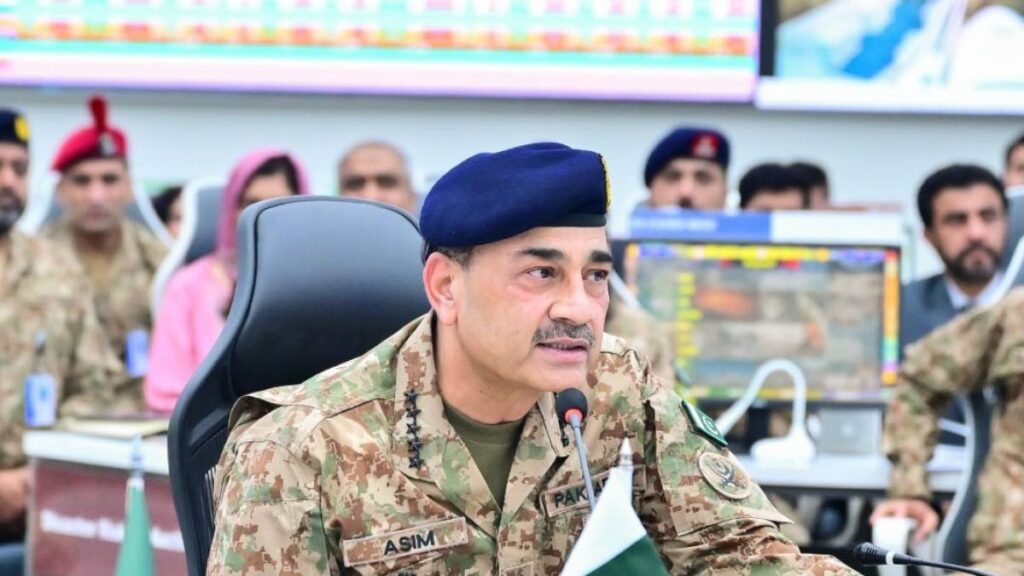
In a significant shift marking the end of a longstanding tradition, Pakistan has completely overhauled its military command structure for the first time in fifty years. This sweeping change is the result of new legislation that grants Pakistan’s military chief unprecedented command and control powers, raising widespread discussions and concerns about military oversight and civilian control.
For over five decades, Pakistan’s military command operated under a framework designed to balance powers among different branches and maintain a level of civilian oversight. However, the newly introduced law restructures the command hierarchy by consolidating authority under the Chief of the Army Staff, effectively centralizing decision-making in a single office. This reform fundamentally alters how Pakistan’s military functions both strategically and administratively.
The legislative change came amid evolving domestic and regional security challenges, fueling debates within Pakistan’s political and military establishments about the need for a more agile and decisively commanded military apparatus. Advocates of the reform argue that the previous system was outdated and impeded rapid decision-making, especially in times of crisis. They suggest that the new structure will enhance operational efficiency across the army, navy, and air force by streamlining the chain of command.
Critics, however, warn that concentrating such massive power in one office risks undermining democratic oversight and eroding the accountability mechanisms that have historically kept Pakistan’s military in check. Civil society groups and international observers have expressed concern that the reform might embolden the military’s influence in politics and weaken civilian control, potentially destabilizing Pakistan’s democratic institutions.
The military leadership has publicly assured the nation that the overhaul is designed solely to improve national defense capabilities and coordination among the armed forces. Officials claim that the changes will help counter terrorism more effectively, bolster border security, and enhance Pakistan’s posture in a complex geopolitical environment.
This move also coincides with regional tensions involving neighboring countries, placing Pakistan in an environment that demands highly coordinated military responses. Modernizing command arrangements is seen by some analysts as a strategic necessity to respond promptly to emerging threats and to manage Pakistan’s defense resources more efficiently.
Historical context shows that Pakistan’s military has always played a pivotal role in the country’s governance and security affairs, sometimes even exercising direct political control. The new command structure illustrates an evolution in how the military views its role—shifting from segmented authority to a more streamlined, centralized command which may signal a new era in Pakistan’s defense posture.
As Pakistan embarks on this controversial reform, the nation’s political leaders, military officials, and the general public remain watchful about the implications for Pakistan’s democracy and regional stability. The coming months will likely reveal how this major institutional change shapes Pakistan’s military effectiveness and its civil-military relations.