The body of Ratko Mladic, the convicted war criminal, has arrived in Belgrade, the capital of Serbia, where he was honored with a full military guard. Mladic, notorious for his role during the Yugoslav Wars and his conviction for war crimes, remains a deeply polarizing figure in the region. The military honours showcased during the arrival signify a significant tribute, reflecting the sentiments of certain groups in Serbia.
Upon arrival, Mladic’s body was met by a ceremonial military procession, highlighting his status and the respect accorded by some segments of Serbian society. The event drew attention both regionally and internationally, as it comes amid ongoing debates about reconciliation, historic memory, and justice related to the conflicts of the 1990s.
Ratko Mladic was a former Bosnian Serb military leader who was convicted by the International Criminal Tribunal for the former Yugoslavia (ICTY) for crimes including genocide, war crimes, and crimes against humanity during the Bosnian War. His conviction marked a landmark moment for international justice and war crime prosecution.
Despite the international condemnation, Mladic’s legacy is seen differently among many in Serbia, with some regarding him as a national hero who defended Serbian interests during a turbulent period. This dichotomy remains a source of tension within the region.
The military honours included a guard of honour formed by active service members, a firing salute, and ceremonial music, marking a solemn return of the controversial figure. Authorities emphasized that the military protocol was observed strictly and with dignity, amid the sensitive nature of the occasion.
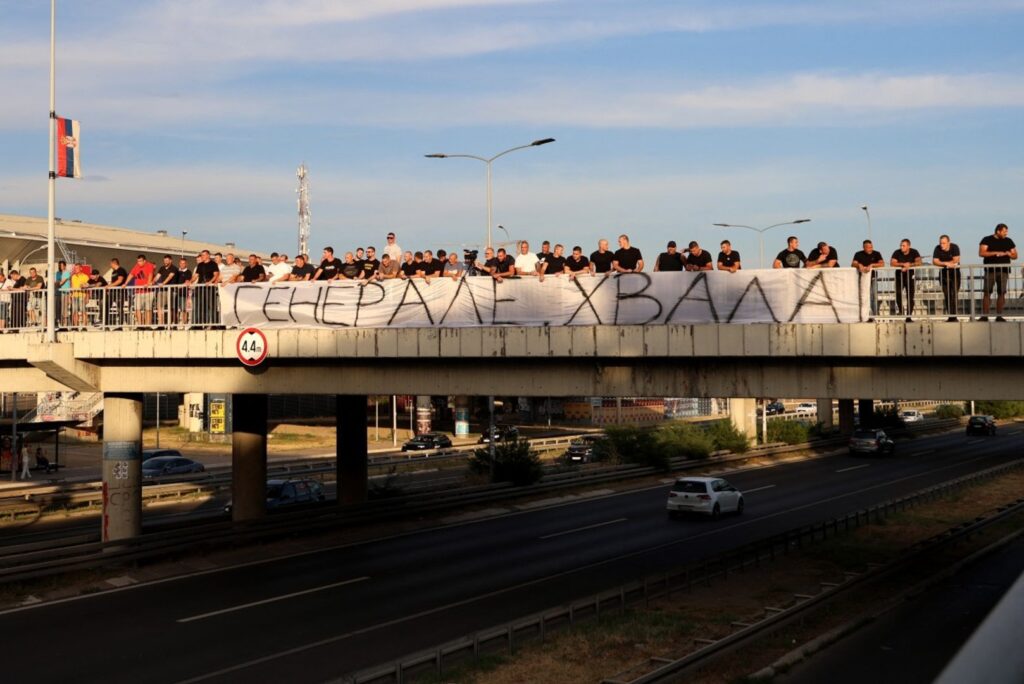
The arrival ceremony was attended by a number of military officials and political figures, as well as supporters of Mladic, who gathered to pay their respects. However, the ceremony also attracted criticism and protests from those who see Mladic’s actions as unforgivable and a reminder of the brutal conflicts in the Balkans.
International observers and human rights organizations reacted to the event with concern, warning against glorifying individuals convicted of war crimes. They stressed the importance of remembering victims and maintaining a commitment to justice and reconciliation.
This event underscores the ongoing challenges Serbia faces as it deals with its past and its position within the broader European and international framework. The manner in which Mladic’s remains were honored reflects the complex intersections of history, national identity, and politics in the region.
As Serbia navigates its path forward, balancing national pride, respect for military tradition, and the pursuit of justice for wartime atrocities remains a delicate and often controversial endeavour. The return of Ratko Mladic to his homeland with full military honours highlights these complexities and the enduring impact of the Yugoslav Wars on the Balkans today.