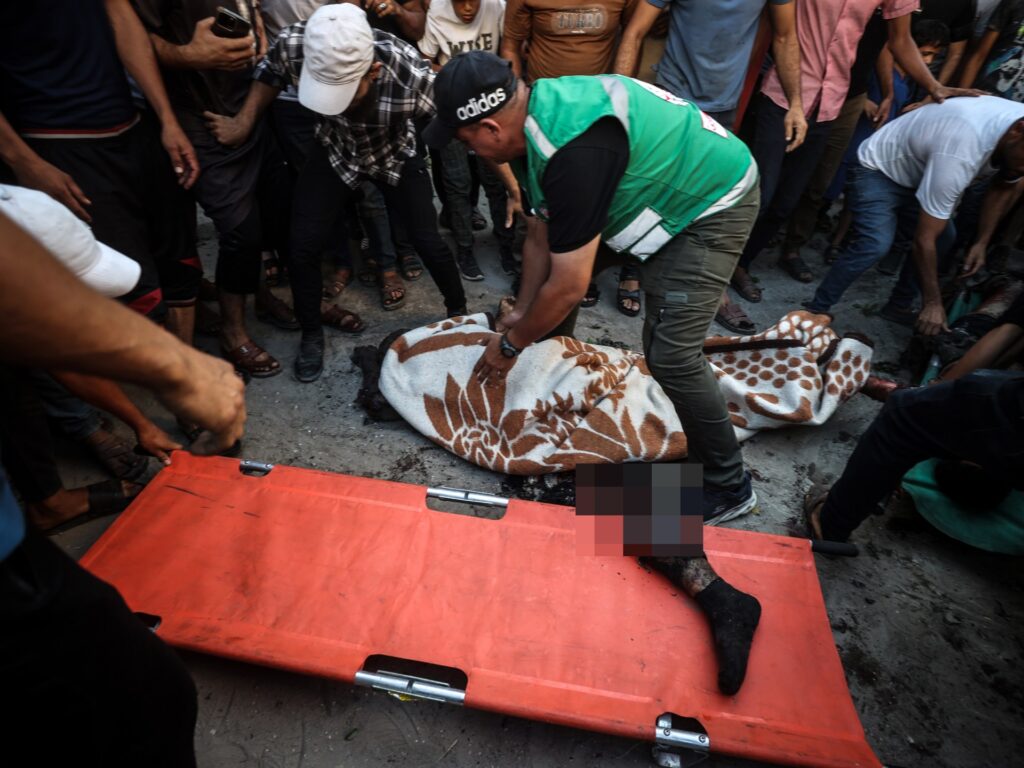
Tensions continue to escalate in the Gaza Strip as Israeli forces carried out a drone strike and gunfire attacks that resulted in the deaths of three individuals and injuries to others, despite an ongoing ceasefire agreement. The attack, which took place amid fragile peace efforts, has drawn widespread condemnation from various international actors urging restraint and adherence to the ceasefire.
The Gaza Strip, a densely populated Palestinian territory, has long been a focal point of the Israeli-Palestinian conflict. Recent events have further fueled instability in the region, with the latest Israeli military actions sparking outrage and raising concerns of a potential resurgence of violence.
Adding to the volatile situation, a far-right Israeli minister has publicly articulated plans advocating for the removal of Palestinians from certain areas. This development has alarmed human rights organizations and international observers, who warn such policies could exacerbate tensions and violate international law.
The Israeli drone strike reportedly targeted positions in Gaza justified by Israeli officials as retaliatory measures against rocket fire or militant activity. However, the resulting civilian casualties highlight the ongoing challenges of distinguishing between combatants and non-combatants in urban conflict zones.
Despite the declared ceasefire, sporadic incidents of violence continue to undermine peace efforts. The ceasefire, brokered to halt hostilities, appears fragile with both sides accusing each other of violations.
The deaths of three individuals in the recent strike have plunged communities into mourning and intensified calls for renewed diplomatic engagement. Medical facilities in Gaza, already strained by years of conflict and blockade, faced additional pressure managing the influx of wounded civilians.
International leaders have expressed concern over the situation, urging all parties to return to negotiations and avoid actions that could provoke further conflict. The United Nations and various humanitarian agencies have reiterated the need for protection of civilians and access to medical services in Gaza.
This incident underscores the complexity of the Israeli-Palestinian conflict, where military actions often trigger cycles of retaliation, complicating efforts to achieve lasting peace.
The advocacy by the far-right inclusion of Palestinian removals in political discourse risks further destabilization. Critics argue it undermines prospects for a two-state solution and threatens the fundamental rights of Palestinians.
Observers warn that without renewed commitment to dialogue and respect for international norms, the Gaza Strip could face intensified hostilities, further humanitarian crises, and prolonged suffering for its inhabitants.
Efforts to revive peace talks must contend with entrenched political positions, mutual distrust, and divergent visions for the future of the region.
The international community’s role remains crucial in mediating these disputes, supporting humanitarian aid, and encouraging restraint by all parties.
As the situation develops, the priority remains preventing escalation and fostering conditions conducive to a peaceful resolution.
In summary, the recent Israeli strike killing three in Gaza amidst a declared ceasefire, coupled with contentious political statements advocating for Palestinian removals, highlight the fragile and volatile state of affairs in the region.
Continued dialogue, respect for human rights, and adherence to ceasefire agreements are essential to avoid further bloodshed and move towards lasting peace in the Israeli-Palestinian conflict.