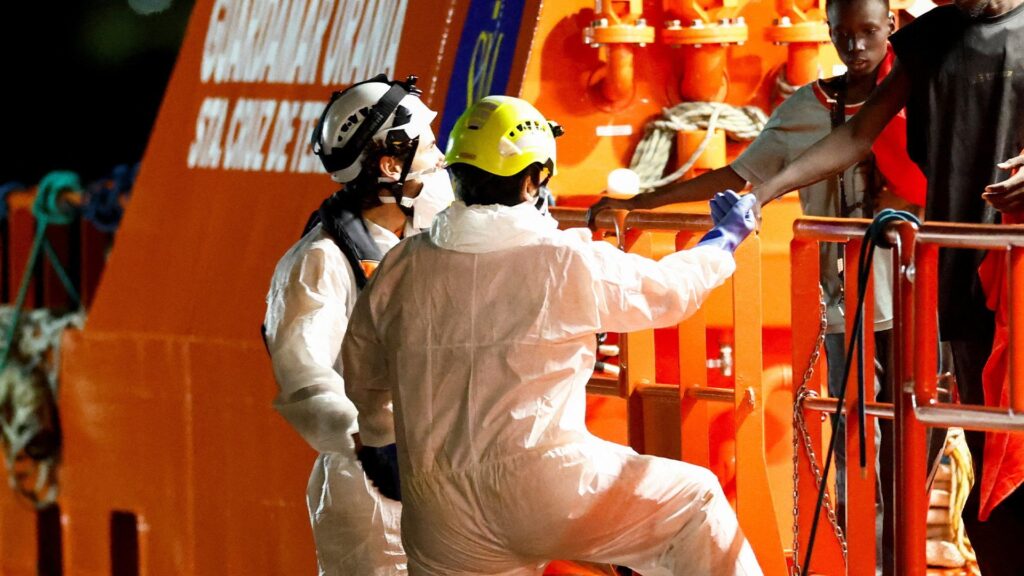
In a harrowing incident off the coast of Spain’s Canary Islands, authorities have confirmed that at least five people have died during an attempted sea crossing on a wooden migrant boat. The vessel was discovered after weeks adrift at sea, raising grave concerns about the fate of many who were aboard.
The boat, which carried dozens of migrants, was found in a distressed state, underscoring the dangers faced by those trying to reach European shores through perilous routes. The exact number of people on the boat remains uncertain, but rescue operations continue as dozens are still reported missing.
Officials from Spanish maritime authorities have expressed deep concern over the increasing number of migrants risking their lives on precarious journeys in search of refuge and better opportunities. The Canary Islands, located off the northwest coast of Africa, have become a common destination for migrants attempting to enter Europe via sea routes.
Conditions on such journeys are often brutal, with overcrowded wooden boats exposed to harsh weather, lack of food and water, and the constant threat of capsizing. This latest tragedy highlights the ongoing humanitarian crisis faced by migrants worldwide and the urgent need for enhanced rescue efforts and safer migration channels.
Search and rescue teams dispatched upon discovery of the vessel have been working through challenging conditions to locate survivors and recover those lost at sea. The Spanish government has reiterated its commitment to supporting rescue operations and providing aid to those who survive these dangerous crossings.
Human rights organizations have called for increased international cooperation to address the root causes of migration and improve the safety of migrants during their journeys. They stress that without viable and legal avenues for migration, many individuals are left with no choice but to undertake hazardous sea voyages.
The tragedy serves as a stark reminder of the ongoing risks faced by migrants and the critical importance of comprehensive strategies to manage migration humanely and effectively. Families and communities continue to mourn the loss of lives while hopes persist for those still missing.
As investigations continue, authorities are urged to intensify patrols and rescue missions in the region. Meanwhile, the international community is watching closely, recognizing the need to balance border security with humanitarian responsibilities.
This incident marks yet another somber chapter in the long-standing issue of migrant crossings in the Mediterranean and surrounding waters, prompting renewed calls for swift action to prevent further loss of life on migration routes to Europe.