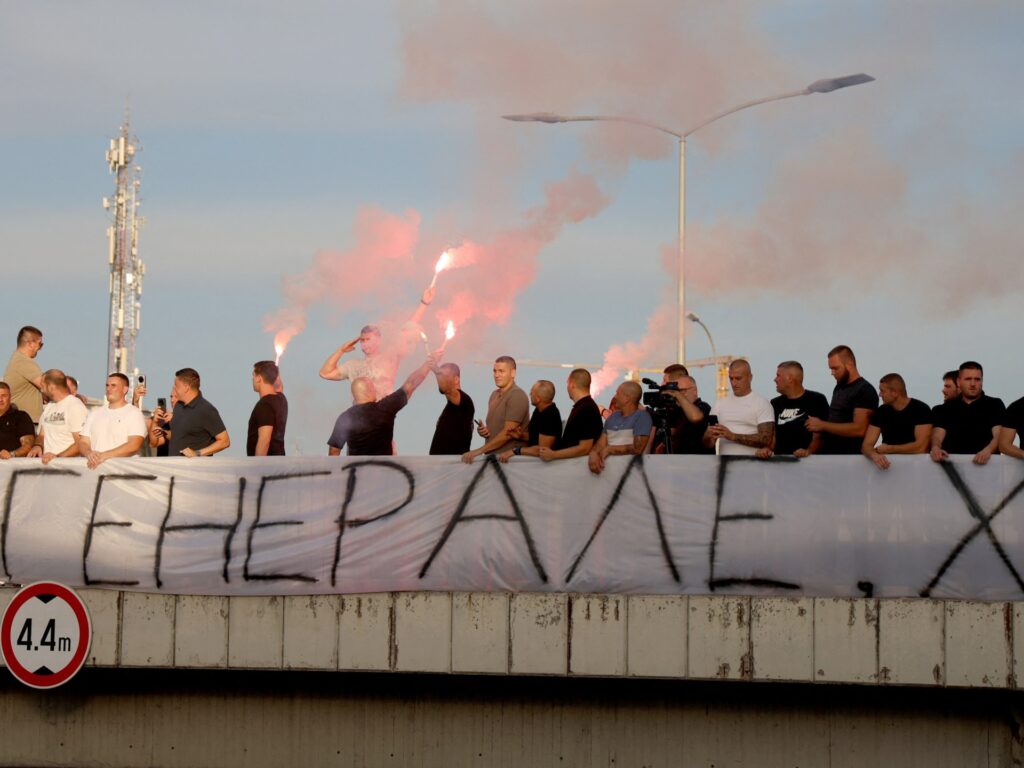
Serbia has organized a ceremonial reception with military honours for the return of Ratko Mladic’s body, a figure widely condemned for his role in wartime atrocities. Mladic, a former Bosnian Serb military leader, was sentenced to life imprisonment by the United Nations’ International Criminal Tribunal for the former Yugoslavia (ICTY) due to his involvement in crimes committed during the Bosnian War from 1992 to 1995.
The Bosnian War, marked by ethnic conflict and severe human rights violations, saw Mladic hold a key military position where he was implicated in acts including genocide, war crimes, and crimes against humanity. His trial became a landmark case highlighting the international community’s efforts to bring justice to victims of the conflict.
Despite the global condemnation of Mladic’s actions, the ceremony in Serbia reflected a complex and divided perception within the country. Supporters consider him a national hero who defended Serbian interests, while many others, both locally and internationally, view him as a symbol of brutal ethnic violence.
Mladic’s death and subsequent military honours have reignited debates about the reconciliation process in the Balkans, as well as the challenges of addressing past atrocities. Critics argue that honoring Mladic risks glorifying war crimes and undermining the painful efforts toward peace and justice.
The reception sparked discussions among international observers and human rights organizations, emphasizing the necessity of balanced remembrance that acknowledges the suffering of all communities affected by the Bosnian War.
Serbia’s decision to mark Mladic’s return with military honours serves as a reminder of the ongoing tensions in the region’s historical memory and the struggle to unify diverse narratives of the past. It highlights the delicate interplay between national pride and accountability in post-conflict societies.
As Serbia continues to navigate its path forward, the event underscores the importance of dialogue, education, and understanding in fostering lasting peace across the Western Balkans.
The international community remains watchful of developments in Serbia and the broader Balkan region, advocating for justice while encouraging reconciliation efforts to prevent future conflicts.
Ratko Mladic’s legacy, marked by tragedy and controversy, remains a profound and complex topic within the historical and political discourse of Southeast Europe. His life sentence by the UN tribunal stands as a testament to international law’s pursuit of justice against war crimes, even as reactions to his death reveal the deep divisions that persist decades after the war ended.