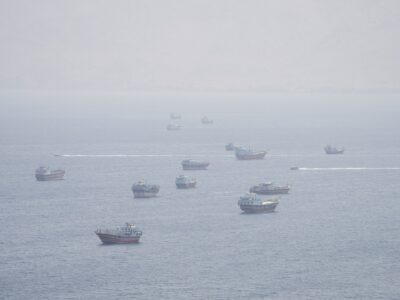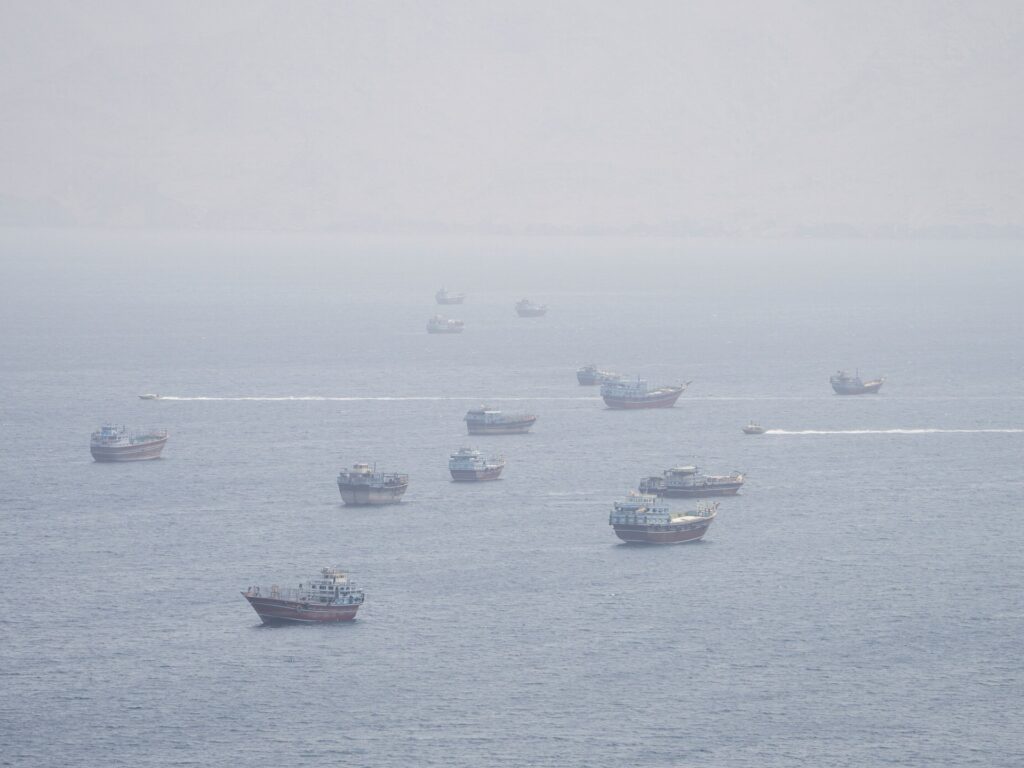
The Strait of Hormuz remains a pivotal chokepoint in global oil transportation, with significant implications for energy markets and geopolitical stability. The United States, under the Trump administration, has asserted that it is aiding approximately 30 ships daily to transit through the Strait, a key maritime passage through which a substantial portion of the world’s oil supply is transported. However, an analysis of independent ship-tracking data reveals a discrepancy in these claims, suggesting that the actual number of ships crossing the waterway daily may be fewer than reported by US officials.
The Strait of Hormuz is a narrow passage between the Persian Gulf and the Gulf of Oman, through which nearly one-fifth of the world’s petroleum passes. This makes it a critical artery for the global energy supply, with economies around the world dependent on the steady flow of oil through this passage.
The Trump administration’s claim of assisting upwards of 30 vessels daily reflects a narrative emphasizing military and logistical support to ensure the safe passage of commercial and oil tankers amid heightened tensions in the region. This period has seen escalated sanctions, regional conflicts, and threats to shipping security, prompting increased US naval presence and convoy operations.
Independent maritime analysts and ship-tracking services use Automatic Identification Systems (AIS) technology to monitor vessel movements worldwide. This data, which is publicly accessible, shows tracking details of oil tankers, cargo ships, and other vessels including their routes, speeds, and estimated transit times through critical passages like the Strait of Hormuz.
These tracking services, however, indicate that the number of vessels transiting the Strait daily under US escort or involvement is fewer than the 30 ships claimed by Trump administration officials. The independent data suggest a lower volume of shipping traffic or less US-supported escort activity than publicly stated.
Several factors could explain this discrepancy. First, the US government may be including all vessel types and support roles in its count, whereas external trackers might only be analyzing specific classes of tankers or ships. Secondly, operational and security considerations may lead to selective disclosure about the precise numbers and types of vessels escorted or monitored.
Furthermore, geopolitical complexities and the opaque nature of territorial waters and naval operations can make independent verification challenging. Political motivations may also influence public statements to project strength or maintain deterrence against regional threats.
Though the exact numbers are debated, what remains clear is the strategic importance of the Strait of Hormuz and the international interest in maintaining open and secure shipping lanes. Any disruption to this vital waterway can have significant consequences for global oil prices and energy markets, underscoring the stakes involved in the dispute over transit numbers.
In conclusion, while the US claims to be supporting around 30 vessels daily through the Strait of Hormuz, data from ship-tracking services show fewer vessels transiting the route. This discrepancy highlights the challenges and complexities in monitoring such a critical maritime chokepoint amid ongoing geopolitical tensions. Transparency and accurate data are crucial for understanding the security dynamics and ensuring stability in this vital region.