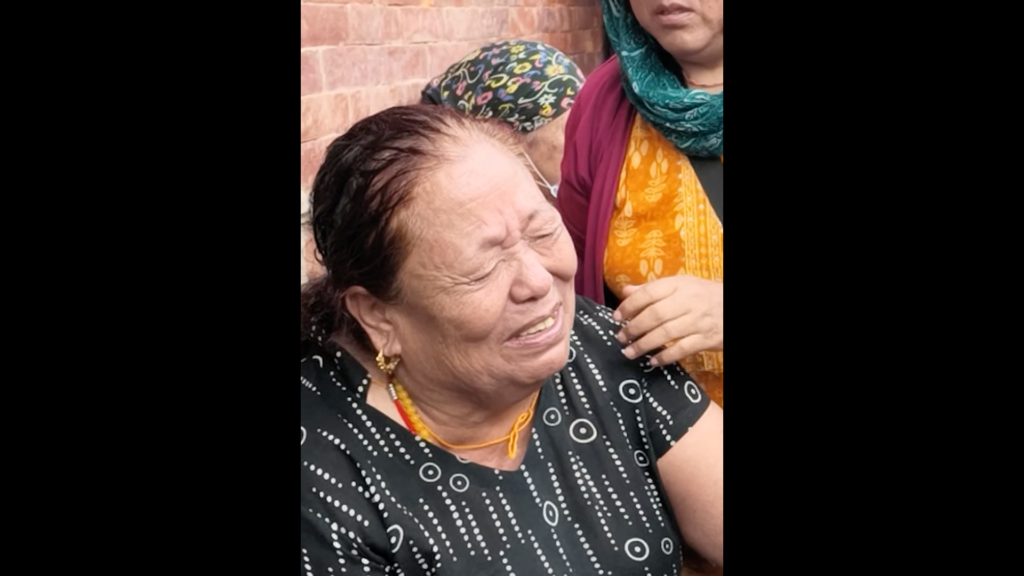
In Nepal, a week after devastating floods swept through the region, families are left grappling with the pain of uncertainty as many loved ones remain missing. To cope with their grief and honor the missing, families are conducting symbolic funerals, a poignant practice reflecting both hope and sorrow.
The floods, triggered by unprecedented heavy rains, have caused widespread destruction in several districts, leaving thousands displaced and a significant number of people unaccounted for. Rescue and recovery efforts have been ongoing, but the scale of destruction and difficult terrain have hampered operations.
For families with missing members, the lack of closure is especially agonizing. Without bodies recovered, traditional funeral rites cannot be performed, leading to deep emotional distress. Symbolic funerals, therefore, have become a way for these families to mourn collectively and acknowledge their loss in a culturally meaningful manner.
These ceremonies involve rituals that are usually performed during traditional funerals, such as offering prayers, lighting candles, and placing symbolic items, all intended to represent the presence of the missing individuals. Community members often gather in support, sharing grief and rallying solidarity.
Local authorities and relief organizations have expressed support for these acts of remembrance and stress the importance of mental health support for affected families. They continue to urge people to remain hopeful as search and rescue missions persist.
This practice highlights the resilience of Nepalese communities in the face of tragedy and their dedication to maintaining cultural traditions even during hardship. It also underscores the ongoing challenges in disaster response in remote and mountainous regions.
Experts note that symbolic funerals serve not only a psychological purpose but also help to bring closure and assist families in beginning the healing process. It is a testament to human strength when confronted with loss and uncertainty.
As the nation mourns, efforts to rebuild and recover continue with the help of government, NGOs, and international aid. Families holding symbolic funerals remain united in hope that their missing loved ones might still be found or at least honored in spirit.
The situation in Nepal brings attention to the urgent need for enhanced disaster preparedness and response mechanisms in vulnerable regions, aiming to reduce future loss of life and provide better support systems for affected populations.
In the meantime, symbolic funerals provide an essential outlet for grief and a way to preserve cultural identity amidst the turmoil caused by natural disasters.