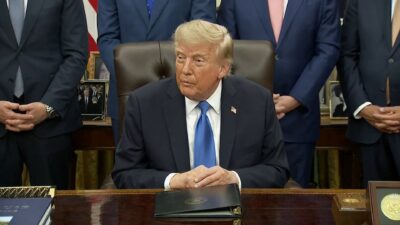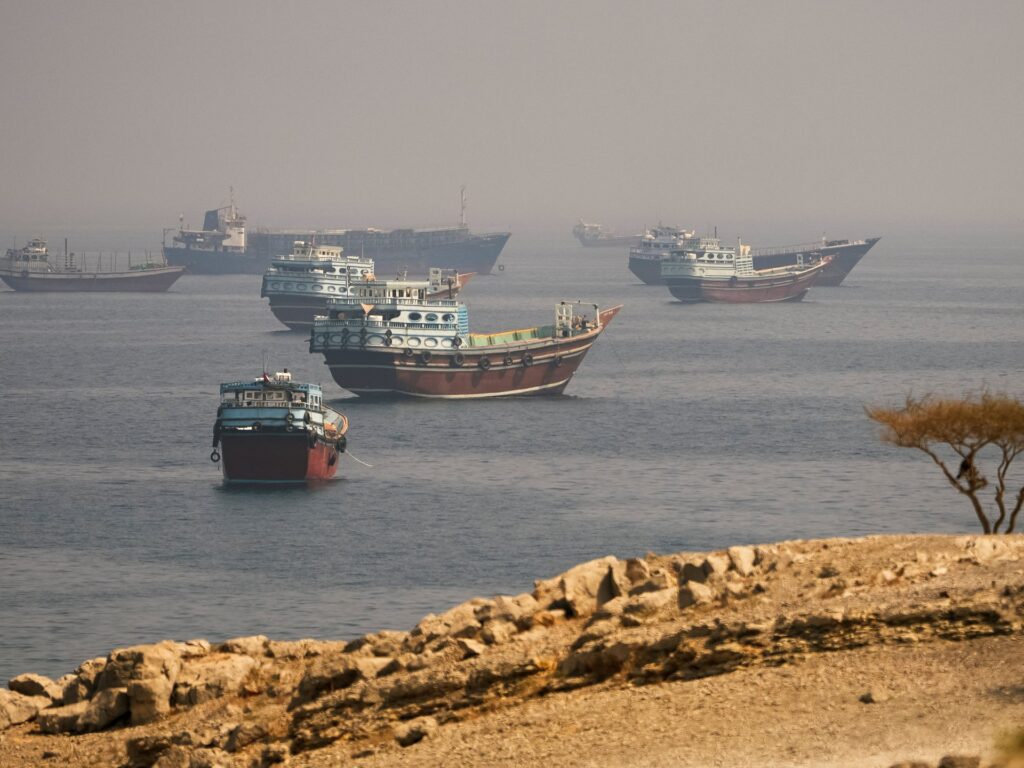
In the midst of escalating tensions and renewed hostilities with Iran, former U.S. President Donald Trump has controversially suggested renaming the strategically critical Strait of Hormuz as ‘Trump Strait.’ This waterway, a crucial chokepoint through which a significant portion of the world’s oil supply passes, has been the site of near-daily attacks on ships, increasing regional instability.
Trump’s suggestion comes as the United States asserts it maintains control over the Strait despite ongoing clashes and threats from Iran. The former president emphasized that the Strait of Hormuz is under U.S. control, a statement that marks a continuation of his tough rhetoric on Iran and the broader Middle East.
The Strait of Hormuz connects the Persian Gulf with the Gulf of Oman and the Arabian Sea, making it a vital maritime route for global energy supplies. Approximately 20% of the world’s petroleum passes through this narrow passage each day, underscoring its economic and geopolitical significance.
Recent escalations have seen attacks on oil tankers and naval vessels, heightening concerns among international stakeholders about the security of this crucial transit route. Iranian forces have been blamed for various attacks, although Tehran often denies direct involvement.
Trump’s proposal to rename the Strait to ‘Trump Strait’ has been met with criticism and seen by many as symbolic posturing amid real geopolitical risks. Critics argue that such a move overlooks the sovereignty and regional dynamics of the Middle East and could further inflame an already volatile situation.
Supporters of the former president argue that the renaming symbolizes America’s commitment to safeguarding vital maritime routes and deterring Iranian aggression. They see it as a bold assertion of U.S. dominance and a statement against Iranian provocations.
International reaction has been cautious, with many countries urging restraint and diplomatic engagement to avoid further conflict. The United Nations and other global bodies have called for maintaining open and secure sea lanes to protect global economic interests.
The Strait of Hormuz has historically been a flashpoint in Middle Eastern geopolitics, with several incidents leading to heightened military presence from various world powers, including the U.S. and its allies.
As fighting continues to simmer and attacks on shipping persist, the naming controversy highlights the broader struggle for control and influence in the region. It reflects the tense atmosphere and the high stakes involved in securing this vital corridor.
Experts warn that symbolic gestures like renaming the Strait may not resolve underlying conflicts but could complicate diplomatic efforts toward de-escalation.
Trump’s remarks serve to remind the world of the ongoing strategic contest in the Persian Gulf and the complexities surrounding U.S.-Iran relations.
The situation remains fluid, with potential implications for global energy markets, regional security, and international diplomacy.
The coming weeks and months are likely to be critical in determining the future stability of the Strait of Hormuz and the broader Middle East.
Stakeholders worldwide continue to monitor developments closely, hoping for peaceful resolutions but preparing for heightened tensions.
Ultimately, the debate over the Strait’s name is symbolic of the larger geopolitical challenges facing the region and the international community’s role in managing them.