The European Union is gearing up to intensify sanctions against Russia in light of a recent failed attack attributed to Kremlin involvement. EU foreign affairs chief Kaja Kallas has issued a warning that the bloc will increase pressure on Russia, responding to heightened security concerns after Germany officially blamed Russia for an attempted airport attack.
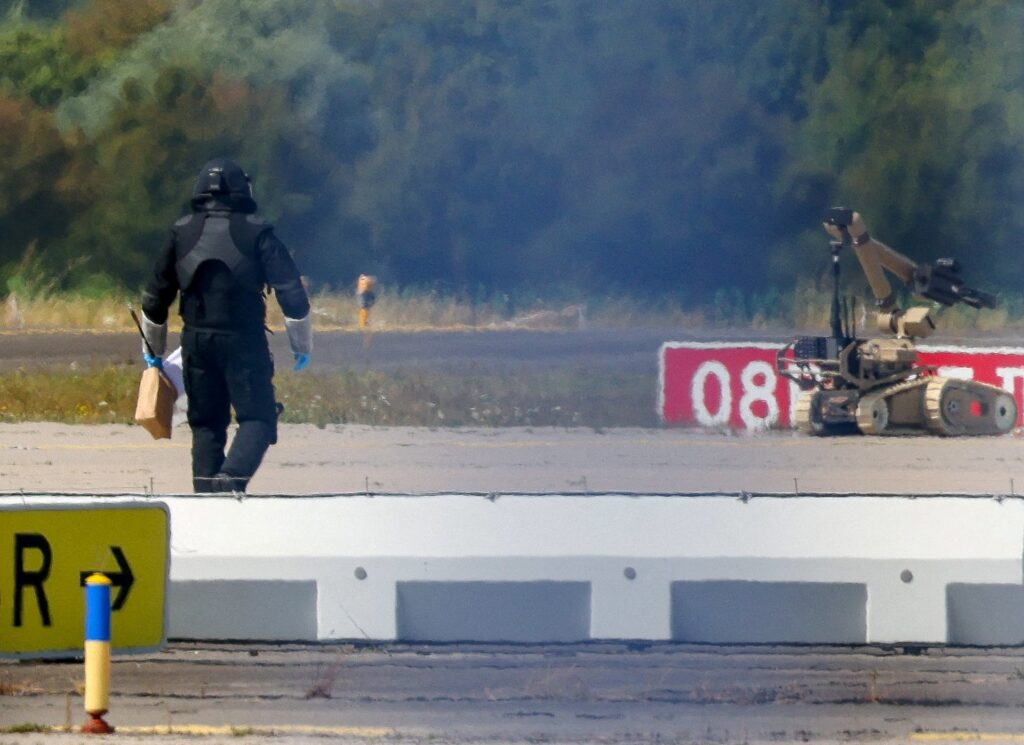
The incident, which raised alarms across Europe, involved a failed assault on an airport, prompting swift condemnation and demands for action from EU members. Germany, acting swiftly, identified Russia as the orchestrator behind this act, intensifying diplomatic tensions between Moscow and the European Union.
Kallas emphasized that the safety and security of EU citizens remain a top priority and reaffirmed the EU’s commitment to respond decisively to such threats. According to her, the new sanctions will aim at punishing Russia economically and politically to deter further aggression and destabilization attempts within Europe.
The nature of the attack has brought to light increasing fears of clandestine activities and destabilizing tactics employed by Russia against European nations. The EU’s planned sanctions are expected to focus on strategic sectors with the intent to exert maximum pressure without harming the European economy severely.
This development is part of a broader pattern of strained EU-Russia relations, already marred by conflict and diplomatic spats, particularly over Ukraine and other geopolitical issues. EU leaders have expressed solidarity with Germany and reinforced that such aggressive acts will not be tolerated on European soil.
Experts suggest that the move to increase sanctions also signals a shift towards more robust and unified European responses to security threats. This approach seeks to strengthen the EU’s resilience against external interference and ensure member states’ collective security.
In practical terms, the new sanctions could include further restrictions on Russian financial institutions, energy exports, and travel bans on key figures involved in orchestrating or supporting hostile operations against the EU.
The EU’s stance also serves as a strategic message to Russia that attempts to undermine European security through violent means will face significant consequences. It underscores the bloc’s unity and determination to uphold international law and peace within its borders.
Looking ahead, the EU is expected to continue closely monitoring the situation, cooperating with allies, and adjusting its policies as necessary to address ongoing and emerging threats from Russia.
The failed attack and the subsequent EU reaction highlight the dynamic and often perilous nature of international relations in the current geopolitical climate. The EU’s response reflects a proactive and firm approach to safeguarding its interests and maintaining stability in the region amid complex challenges posed by Russia’s actions.