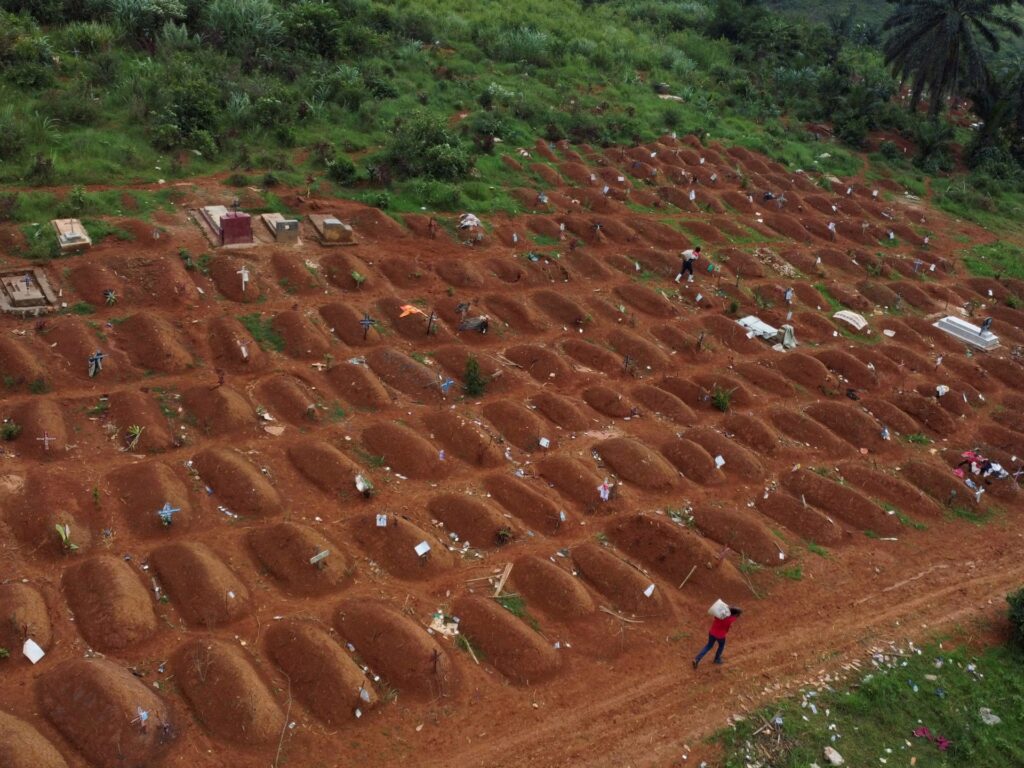
The World Health Organization (WHO) chief has issued a stark warning about the urgent need to intensify the Ebola virus outbreak response in the Democratic Republic of Congo (DRC). The number of people killed by the disease has now exceeded 3,000, underscoring the persistent and deadly nature of the epidemic.
Despite ongoing efforts, the response to contain the outbreak has been hampered by a significant funding gap. This shortfall in resources threatens to undermine progress made thus far and poses risks of further spread both within the DRC and potentially beyond its borders.
The WHO chief emphasized that ramping up intervention measures is critical to controlling the epidemic. These measures include expanding surveillance, enhancing treatment capacity, delivering vaccines, and supporting communities affected by the virus.
Health workers and organizations on the ground face challenges such as difficult terrain, community mistrust, and occasional violence, all of which complicate efforts to track and treat Ebola cases. More funding and international cooperation are required to address these issues effectively.
The DRC has battled multiple Ebola outbreaks in recent years, with the current one being among the most severe. The disease’s high fatality rate and potential for rapid transmission make it a top priority for global health agencies.
Experts note that stopping Ebola in its tracks not only saves lives but also prevents disruption to the socioeconomic fabric of affected regions. Strengthening healthcare infrastructure and education about the disease will be vital components of a sustainable response.
As of now, the WHO continues to call on governments, donors, and global health partners to close funding gaps and support intensified efforts. Without this, the outbreak could escalate further, leading to more deaths and wider regional impact.
In conclusion, the WHO chief’s warning serves as a crucial reminder that heightened vigilance and concerted action are essential to stem the tragic toll of Ebola in the DRC. The international community’s response in the coming weeks will be key to turning the tide against this deadly outbreak.