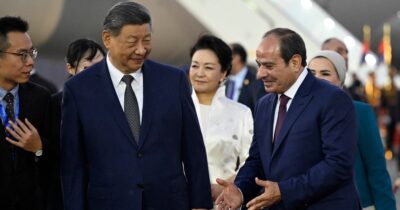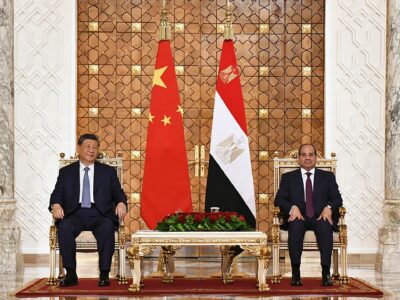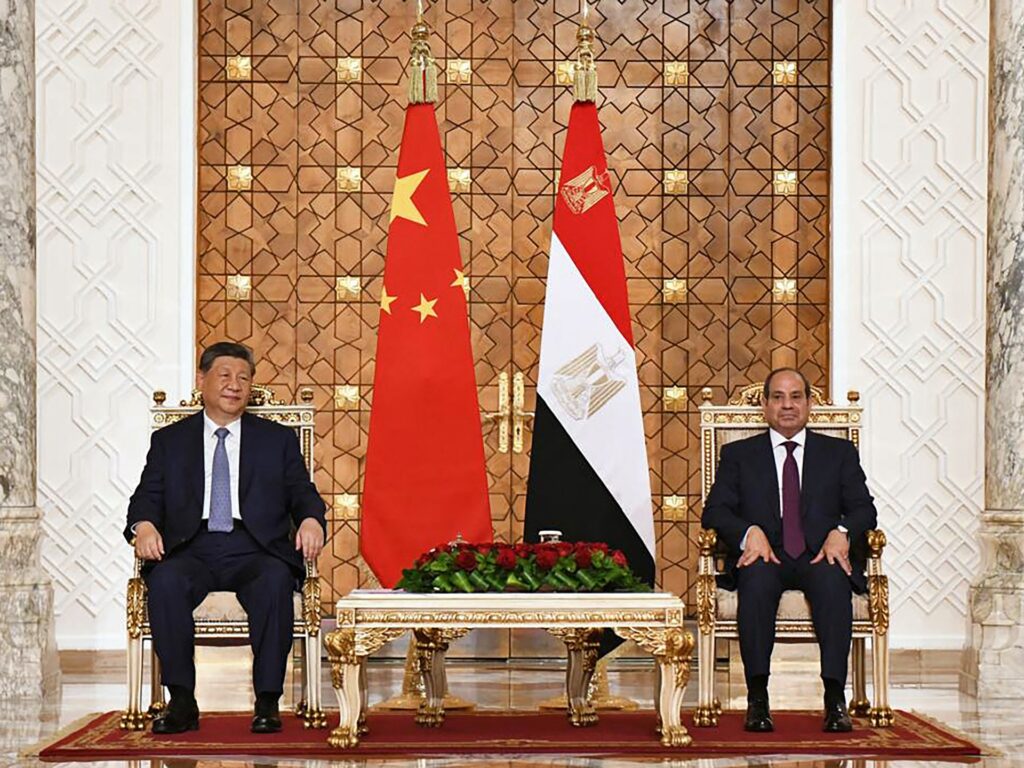
In a significant diplomatic move, Chinese President Xi Jinping has called for the establishment of a new security framework in the Middle East during his rare visit to Egypt. This statement comes amid escalating tensions in the region, particularly related to the ongoing conflict between the US and Israel on Iran.
President Xi’s visit to Egypt is notable, reflecting China’s growing interest and influence in Middle Eastern affairs. The discussions between Chinese and Egyptian leaders focused heavily on the regional instability sparked by the US-Israel conflict with Iran. This conflict has not only intensified the security concerns of the Middle East but also compelled regional powers to reconsider their defensive strategies.
Xi emphasized the need for a comprehensive, inclusive security mechanism that addresses the core issues fueling discord in the Middle East. He proposed that such a framework should be grounded in mutual respect, dialogue, and cooperation among Middle Eastern nations and external stakeholders. The aim is to reduce tensions and promote sustainable peace and stability in the volatile region.
The Chinese leadership’s approach signals a shift from traditional Western-dominated security policies towards a more multilateral and balanced strategy. Xi’s call aligns with China’s broader foreign policy objective to play a constructive role in global peace and security, leveraging its growing diplomatic and economic ties in the Middle East.
Egypt, historically a pivotal player in Middle Eastern peace initiatives, welcomed China’s proposal. Egyptian President Abdel Fattah el-Sisi highlighted the importance of collaborative security efforts and expressed optimism about China’s involvement in addressing regional challenges.
The US-Israel war on Iran has caused ripple effects across the Middle East, prompting countries to reevaluate their defense postures. Concerns over sovereignty, regional interference, and the long-term impacts of continuous conflict have made the quest for a new security framework urgent.
China’s call for a new security architecture is expected to resonate with several Middle Eastern nations that seek alternatives to the existing security arrangements perceived as biased or insufficient. It also presents an opportunity for China to expand its strategic footprint, balancing relations with both regional players and global powers.
The visit underscores the dynamic shifts in Middle Eastern geopolitics, where emerging powers like China are increasingly shaping the discourse on security and diplomacy. As global attention remains focused on the US-Israel-Iran conflict, Xi’s initiative invites renewed dialogue and potential pathways towards de-escalation.
In conclusion, President Xi Jinping’s advocacy for a novel Middle East security framework during his Egypt visit marks a pivotal moment in regional geopolitics. It reflects the evolving roles of international actors in pursuing peace and security, highlighting the importance of multilateral cooperation in tackling complex regional conflicts.