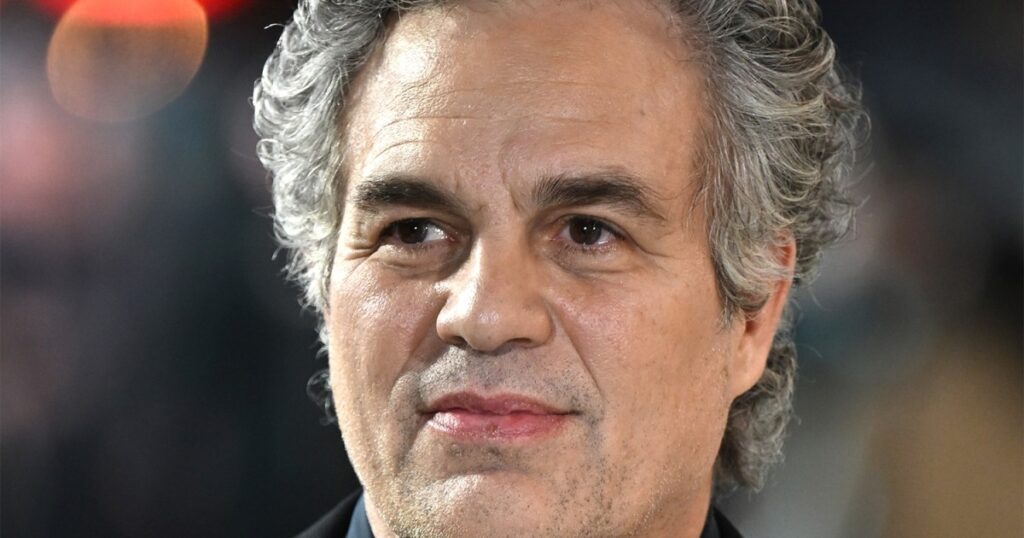
Mark Ruffalo, acclaimed actor and activist, recently ignited a wave of controversy after his comments surrounding the Paramount-Warner Bros merger and Oracle’s connection to the Israeli military. His statements, which surfaced amid the ongoing Gaza conflict, led to allegations of anti-Semitism, prompting a significant backlash from various communities and public figures.
Ruffalo criticized the corporate merger, drawing a direct link to Oracle’s involvement with the Israeli military. He framed this association in the context of the Gaza genocide, a very sensitive and polarizing subject that has attracted intense international scrutiny.
The actor’s remarks were perceived by some as an unfair generalization, sparking accusations that he was perpetuating anti-Semitic stereotypes and narratives. This reaction culminated in a ‘smear campaign’ against Ruffalo, according to the actor and his supporters, who argue that his critique targeted specific corporate and military actions rather than any ethnic or religious group.
Supporters of Ruffalo assert that his comments are rooted in legitimate political and humanitarian concerns, emphasizing the need for accountability in corporate and military partnerships that impact conflict zones. They caution against conflating criticism of the Israeli government’s policies with anti-Semitism, a distinction that remains highly contentious in public discourse.
Conversely, critics maintain that Ruffalo’s linkage of the merger to Israeli military activities was ill-advised and inflammatory, potentially fueling anti-Semitic sentiments under the guise of political commentary. This camp calls for more careful and nuanced dialogue to avoid exacerbating tensions and spreading harmful biases.
The controversy highlights the delicate balancing act public figures face when addressing politically charged issues, particularly those intersecting with deeply rooted ethnic and religious identities. It also underscores the complex role of corporate partnerships in geopolitical conflicts, which can draw attention and critique from various stakeholders.
As the debate continues, it serves as a reminder of the power of public statements in influencing perceptions and the importance of responsible discourse in addressing global issues. Ruffalo’s experience exemplifies the challenges inherent in advocating for social justice while navigating the risks of misinterpretation and backlash.