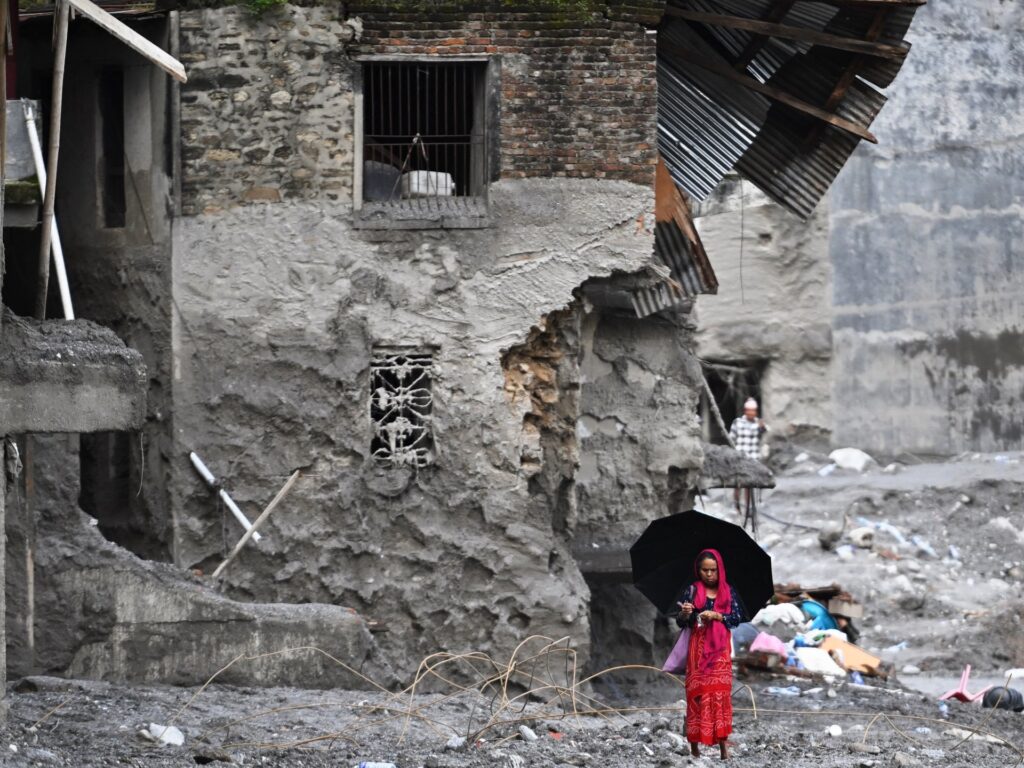
A devastating flood that struck Nepal a week ago has prompted ongoing search and rescue efforts as the nation grapples with the calamity’s aftermath. The United Nations recently reported a preliminary estimate indicating that the floods have generated at least 2.2 million tonnes of debris, highlighting the extensive scale of the disaster.
The catastrophe has severely impacted the lives of countless residents, with search teams working tirelessly to locate survivors and provide aid. The natural disaster uprooted communities and caused significant destruction to infrastructure, homes, and the environment. Authorities from Nepal, supported by international partners including the UN, have mobilized extensive operations to address the crisis.
Emergency response teams are focusing on both immediate relief and long-term recovery as the volume of debris hampers rescue efforts and poses ongoing hazards to the affected population. The massive accumulation of debris stems from flooding that swept through mountainous terrain and river valleys, washing away soil, vegetation, and man-made structures.
In the days following the floods, hundreds of rescue workers have combed through mud, water, and rubble to find missing persons. Despite the challenges posed by continuing rain and unstable terrain, rescuers remain determined to reach isolated communities and restore communication lines.
The floods have also raised concerns regarding the risk of landslides and secondary flooding, with authorities urging residents in vulnerable areas to stay alert and follow safety advisories. Humanitarian organizations are providing food, shelter, and medical assistance to displaced families while engineering teams begin clearing critical routes blocked by debris.
This disaster underscores the vulnerability of Nepal to climate-induced natural hazards, prompting calls for enhanced disaster preparedness and infrastructure resilience. Officials are committed to not only responding to the current emergency but also implementing strategies to mitigate future risks.
International aid and support continue to flow into the region as Nepal confronts one of its most severe natural disasters in recent years. The collaborative efforts aim to restore normalcy, rehabilitate affected communities, and rebuild a safer environment for those impacted by this tragic event.