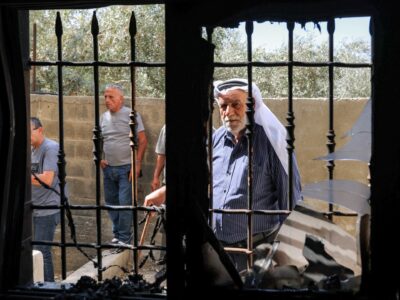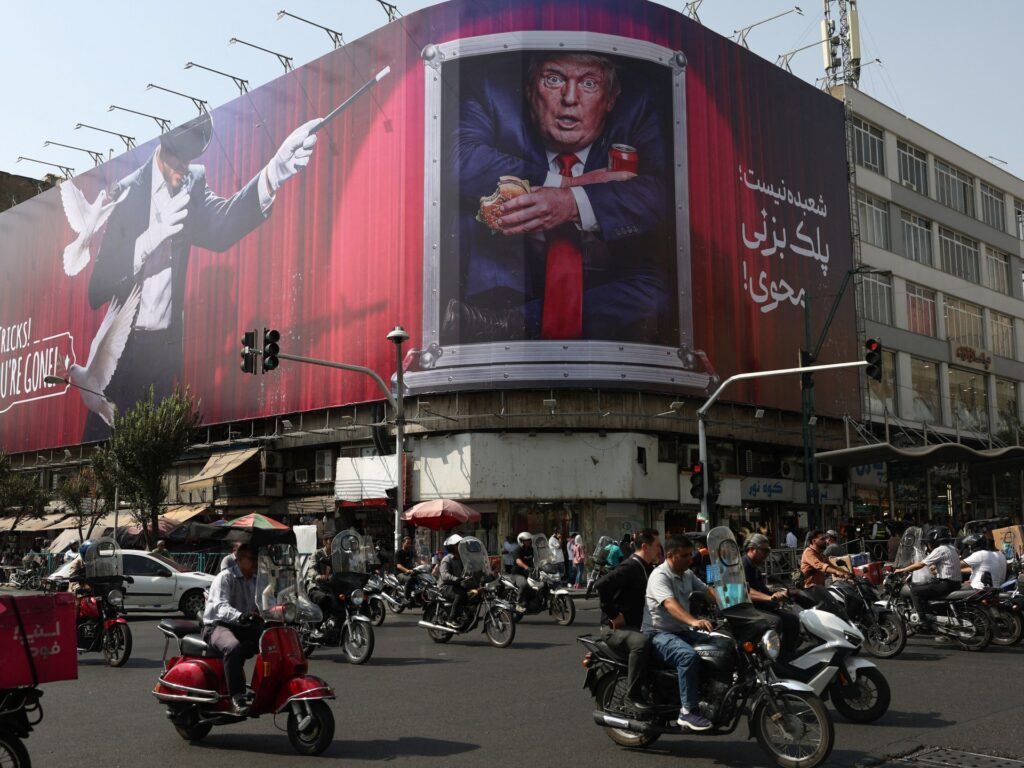
The long-standing tensions between Iran and the United States have escalated recently with a series of military strikes exchanged between the two nations. The latest developments saw Iran accuse the US of bombing a wedding near the strategic Strait of Hormuz, a critical chokepoint for global oil shipments.
According to Iranian officials, the United States carried out an aerial bombardment targeting what was reportedly a wedding ceremony. This attack has intensified outrage within Iran and prompted a swift response.
In retaliation, Iran launched strikes targeting US interests and allies in the region, specifically hitting locations in Kuwait, Bahrain, and Jordan. These countries, which host American military personnel and assets, have become focal points in the escalating conflict.
The incidents underscore the fragile security situation in the Middle East, especially in areas surrounding the Strait of Hormuz. This waterway is a vital artery for the movement of global energy supplies, and any instability here threatens worldwide economic repercussions.
Kuwait, Bahrain, and Jordan have been key strategic partners for the United States in the Middle East, serving as bases for military operations and logistical support. The strikes in these countries not only represent Iran’s direct retaliation but also signal a broader regional risk as tensions escalate.
International observers warn that continued military exchanges between Iran and the US could further destabilize the region. Diplomatic efforts to de-escalate the situation have yet to yield concrete results, with both sides standing firm on their positions.
The US government has condemned the Iranian attacks on its allies, framing them as aggressive actions that threaten regional security and the safety of American forces stationed abroad. In response, the US has reiterated its commitment to protecting its interests and partners in the Gulf region.
For civilians caught in the conflict zones, the escalation means increased uncertainty and danger. The reported bombing of the wedding near the Strait of Hormuz has drawn attention to the human cost of the ongoing hostilities.
The broader Middle East continues to be a hotspot for geopolitical rivalry, with Iran and the US at the center of many disputes. The latest attacks highlight the potential for broader conflict and underscore the urgent need for dialogue and peaceful resolution.
As the situation develops, the international community watches closely, hoping for a reduction in hostilities and a return to stability in one of the world’s most strategically important regions.
The exchanges between Iran and the US serve as a grim reminder of the delicate balance of power in the Middle East and the far-reaching consequences of its disruption. With energy markets, global trade routes, and regional security all intertwined, the stakes have never been higher.
In the coming days, diplomats and governments worldwide will likely intensify efforts to mediate and prevent further escalation. The world remains on alert, aware that any misstep could lead to a wider conflict with severe repercussions.