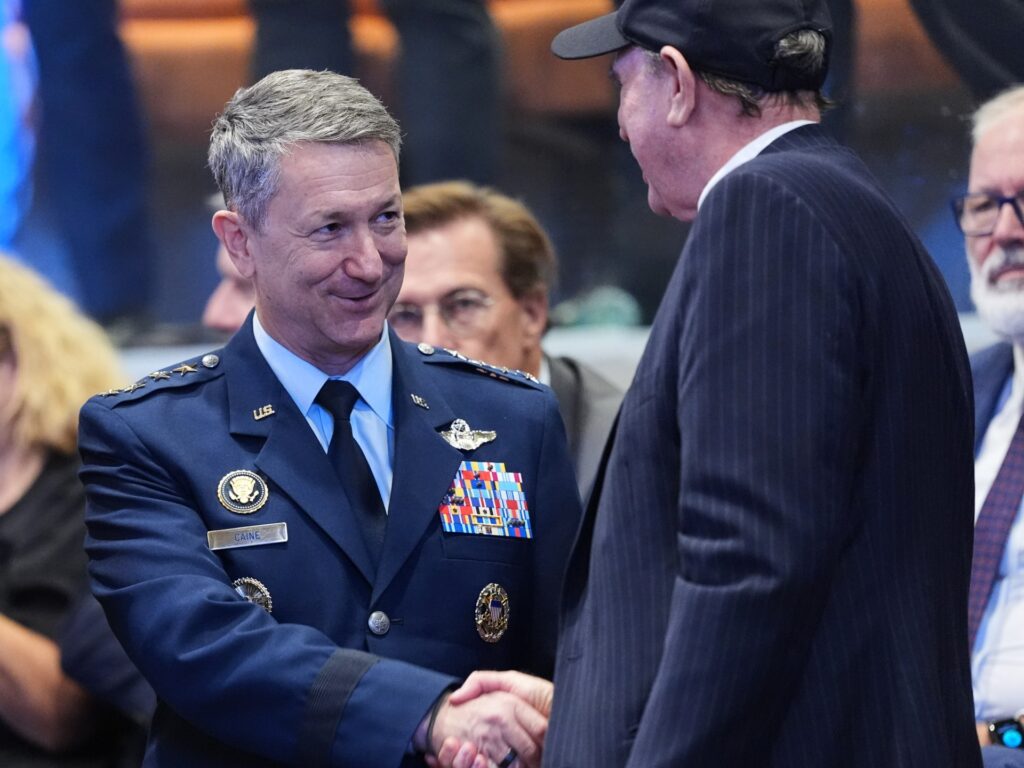
In a recent statement addressing growing concerns among political circles, a top US military general affirmed that there are no plans to deploy troops to polling stations for the upcoming November elections. This declaration comes amidst heightened apprehension, particularly from Democratic leaders, who fear potential military interference in the electoral process.
The general emphasized the military’s commitment to upholding democratic principles and stressed that the armed forces have no role in influencing or overseeing civilian electoral activities. Such remarks aim to reassure the public and political stakeholders that the elections will proceed without any form of direct military involvement.
The concerns gained traction following a period of political polarization and rumors suggesting the possibility of military presence at polling sites. However, the general’s clear message underscores the separation between military duties and civil governance, reinforcing the principle that election integrity remains a civilian matter managed by election officials and law enforcement agencies.
This assurance is significant as it aims to maintain public trust in the democratic process and prevent the escalation of anxieties surrounding election security. It also aligns with longstanding US traditions where the military remains apolitical and refrains from engagement in domestic political processes.
Election officials across the country have welcomed the general’s statement, reiterating their commitment to conducting fair and transparent elections. They highlighted ongoing efforts to ensure security through appropriate civilian law enforcement measures rather than military intervention.
Political analysts suggest that the general’s remarks help to clarify the military’s stance, potentially calming public nerves and preventing misinformation from spreading.
As the nation approaches the November elections, this statement serves as a critical reminder that the military’s role is to protect the country from external threats, not to interfere in the democratic process. Voters can thus be assured that their rights to participate in free and fair elections will be preserved without undue influence or intimidation from armed forces.
In conclusion, the top US general’s explicit denial of plans to send troops to polling locations serves to uphold the sanctity of the electoral process, reinforcing democratic norms and ensuring that the upcoming elections take place under civilian oversight and governance.