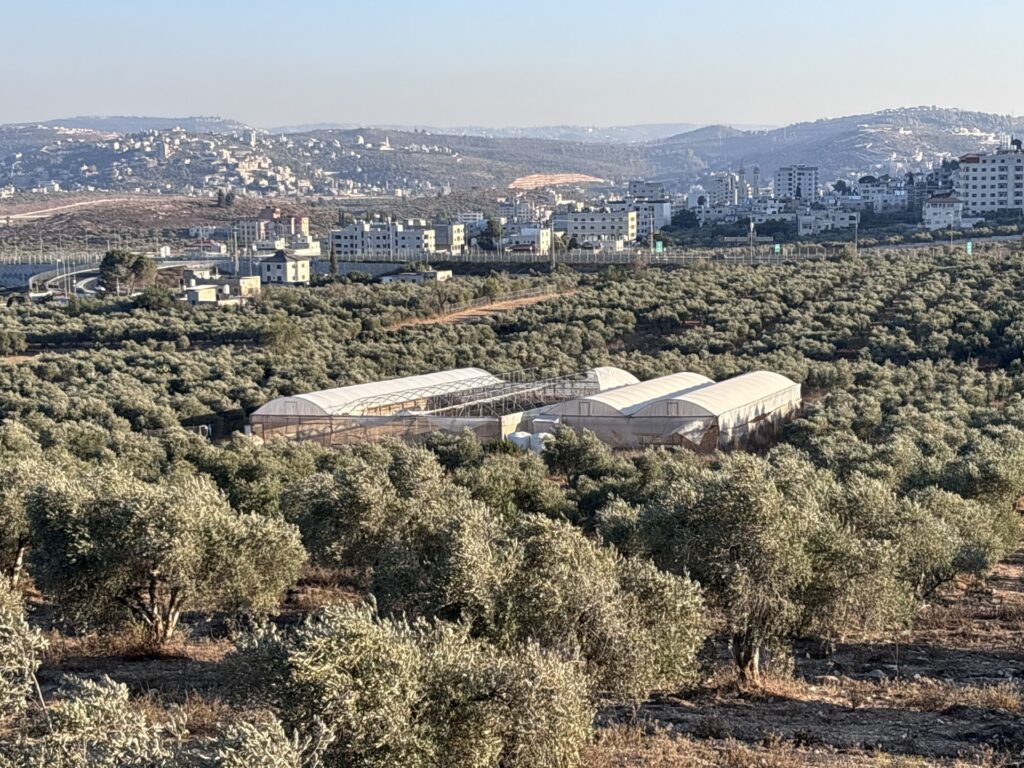
In the West Bank, Palestinian farmers in the village of Burin face recurring destruction of their agricultural assets due to Israeli settler attacks. Despite the damage caused by these attacks, which include the destruction of greenhouses and crops, the farmers remain resilient and committed to rebuilding their livelihoods.
The area has seen multiple incidents described as settler pogroms, where organized groups of settlers target Palestinian farmland. These attacks have devastating effects on the local community’s ability to sustain agriculture, a primary source of income and food.
Burin, a community heavily reliant on farming, has witnessed greenhouses smashed, crops uprooted, and fields vandalized. These deliberate acts not only threaten the economic stability of the farmers but also disrupt the broader agricultural cycle crucial for the region.
Despite these challenges, the farmers do not succumb to despair. With strong determination, they repair the damaged infrastructure and replant the destroyed crops as quickly as possible. This steadfast response serves as a powerful statement of resistance and hope.
The resilience displayed by the farmers extends beyond mere physical reconstruction. It symbolizes their unwavering connection to the land and their will to maintain their presence in a contested and often volatile environment.
Local organizations and human rights groups have documented the attacks, calling for increased protection for Palestinian farmers and accountability for those who perpetrate the violence. The ongoing conflict continues to place the agricultural community at risk, highlighting the urgent need for peaceful resolutions and security guarantees.
The rebuilding efforts involve collective work from the villagers, who pool resources and labor to restore greenhouses and plant new crops. This community solidarity amplifies their ability to recover and withstand future incidents.
Agricultural production in Burin contributes significantly to the local economy, providing employment and food security. The repeated cycle of destruction and rebuilding strains resources but also intensifies the community’s resolve.
International attention has occasionally focused on incidents in the West Bank, including the destruction of Palestinian property. However, lasting solutions remain elusive, with the cycle of violence and retaliation continuing to affect civilians.
The story of Burin’s farmers is one of perseverance amidst adversity, illustrating the human cost of the broader Israeli-Palestinian conflict. Their daily efforts to rebuild their greenhouses and crops despite ongoing threats reflect a deep commitment to their land and future.
This resilience not only sustains the local community but also sends a message of defiance against intimidation and violence. It underscores the importance of supporting vulnerable populations in conflict zones to uphold their rights and livelihoods.
As international bodies and mediators seek ways to address the ongoing conflict, the protection of agricultural communities remains a critical issue. Ensuring the safety and rights of Palestinian farmers in Burin and similar regions is essential to fostering stability and peace.
The cycle of destruction and reconstruction in Burin is a poignant reminder of the challenges faced by Palestinian farmers and their unwavering spirit in preserving their homes and heritage against the backdrop of a protracted conflict.