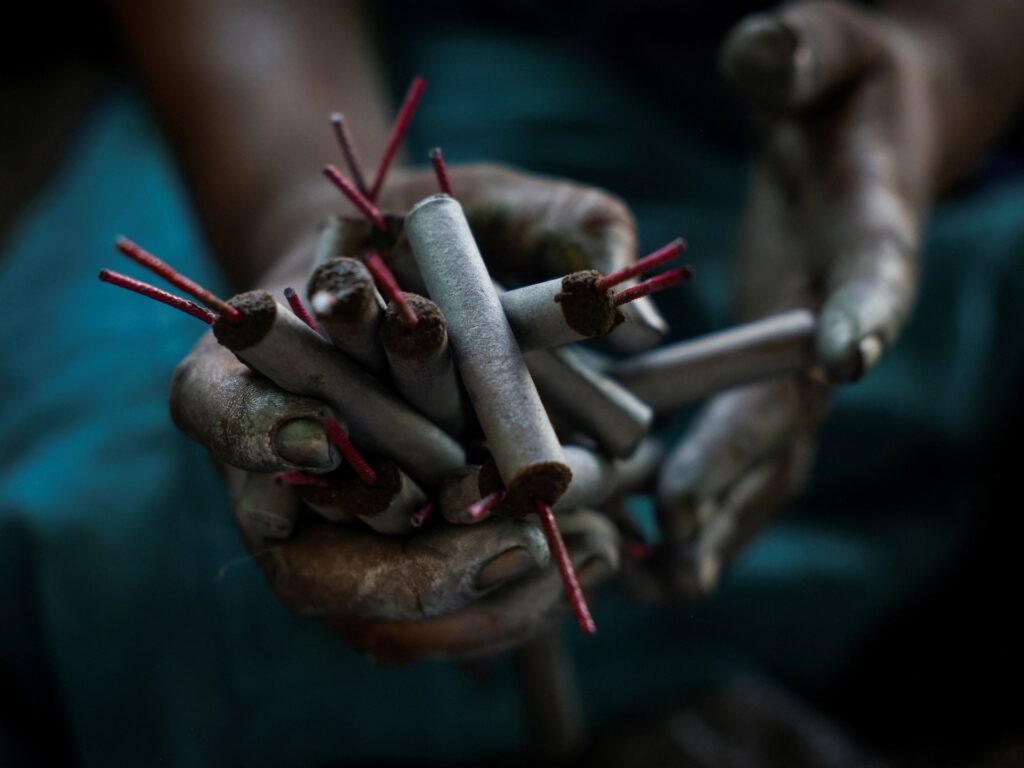
A tragic firecracker factory blast in India has resulted in the deaths of eight children, marking the third such devastating incident this August. The explosion not only caused significant loss of life but also led to widespread destruction, with homes reduced to rubble and desperate rescue operations underway.
Videos circulating on social media vividly depict the aftermath of the blast, showcasing demolished houses and frantic rescue attempts by emergency teams and local residents. The scenes highlight the sheer chaos and urgency as responders work tirelessly to find survivors and provide aid to those affected.
Firecracker factories in India, often located in densely populated areas, pose a significant safety risk due to the volatile nature of the materials involved and often substandard safety measures. This latest blast has brought renewed scrutiny and calls for stricter regulations and enforcement to prevent such tragedies in the future.
The victims, predominantly children, were caught in the explosion while in their homes nearby or assisting with factory activities, underscoring the perilous working conditions and proximity of residential areas to hazardous manufacturing sites. This incident has reignited debates over child labor and industrial safety standards in the region.
Local authorities have launched investigations to determine the exact cause of the explosion and hold responsible parties accountable. Meanwhile, emergency services continue rescue and recovery efforts, and the community mourns the loss of young lives.
This heartbreaking event adds to a series of industrial accidents across India that raise concerns about workplace safety and regulatory oversight. In response, government officials have pledged to implement more rigorous inspections and safety protocols for firecracker manufacturing units.
As families and communities grapple with the aftermath of the explosion, humanitarian organizations are mobilizing to provide support and relief to the survivors and the families of the deceased. The tragedy serves as a stark reminder of the urgent need to improve safety measures and protect vulnerable populations in industrial sectors across the country.