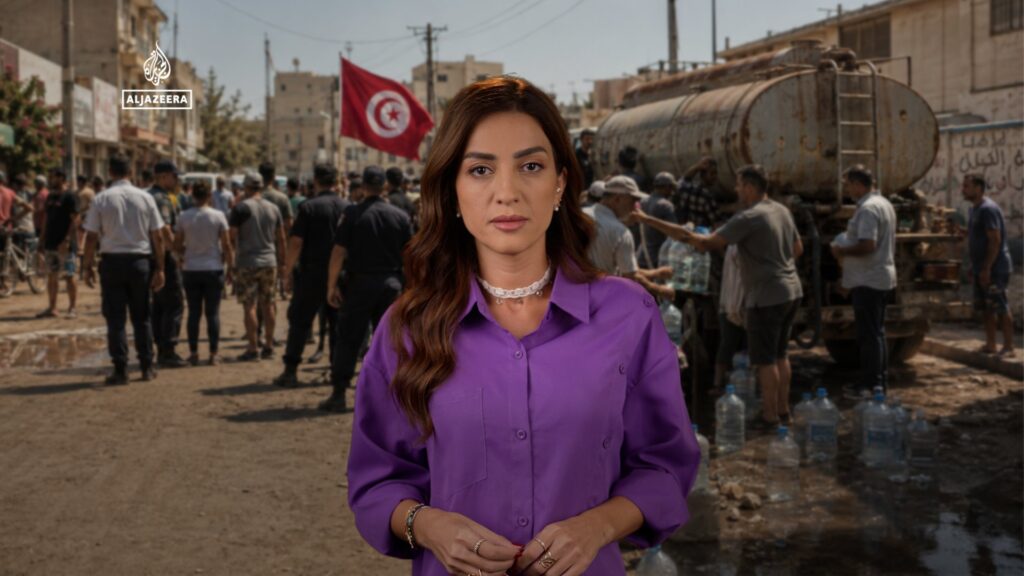
Tunisia is currently grappling with a wave of protests sparked by worsening economic conditions, including frequent water and power cuts that have significantly impacted daily life. These disruptions, combined with rising inflation and unemployment, have ignited widespread public anger, particularly among the youth and marginalized communities.
Citizens from various regions have taken to the streets to voice their frustration, demanding urgent government intervention to resolve the chronic shortages of essential services. Many families report enduring long hours without electricity, disrupting schooling, work, and household activities. Simultaneously, sporadic water supply has heightened health concerns and complicated efforts to maintain hygiene amid ongoing public health challenges.
Experts attribute these utility failures to a combination of aging infrastructure, poor management, and insufficient investment in the country’s energy and water sectors. Additionally, Tunisia’s economic difficulties, marked by a growing budget deficit and inflationary pressures, have constrained the government’s ability to address these systemic issues rapidly.
The protests have seen a mix of peaceful demonstrations and violent clashes with security forces, resulting in arrests and injuries. Social media platforms have played a significant role in mobilizing and informing citizens, highlighting the extent of dissatisfaction and the urgent need for reform.
Analysts warn that if the government does not effectively tackle the root causes behind the water and power shortages, the unrest could escalate further, potentially destabilizing the fragile political landscape. Calls for international support and investment to help modernize Tunisia’s infrastructure and stimulate economic growth are intensifying.
In response, Tunisian authorities have pledged to prioritize improvements in utility services and have initiated emergency measures to alleviate the immediate hardships faced by the population. However, many protesters remain skeptical, pressing for long-term solutions rather than temporary fixes.
This crisis highlights the critical intersection between essential services and social stability, underscoring the need for comprehensive strategies to address Tunisia’s economic challenges and improve the quality of life for all its citizens. The unfolding situation will be closely watched by regional and global observers concerned about the implications for North Africa’s political and economic future.