Cairo’s recycling industry is experiencing significant changes due to the ongoing war on Iran, which has disrupted imports and increased demand for recycled materials. The conflict has caused a ripple effect that has elevated the value of trash in Cairo, as local industries and consumers turn to recycled waste to replace scarce imported goods.
With imports from Iran and other affected countries becoming less reliable and costlier, businesses in Cairo are seeking alternatives to meet their material needs. This shift has boosted demand for recyclable materials such as plastics, metals, and paper. Consequently, the price of these recycled goods has risen, giving trash a newfound economic value that was previously unseen in the city.
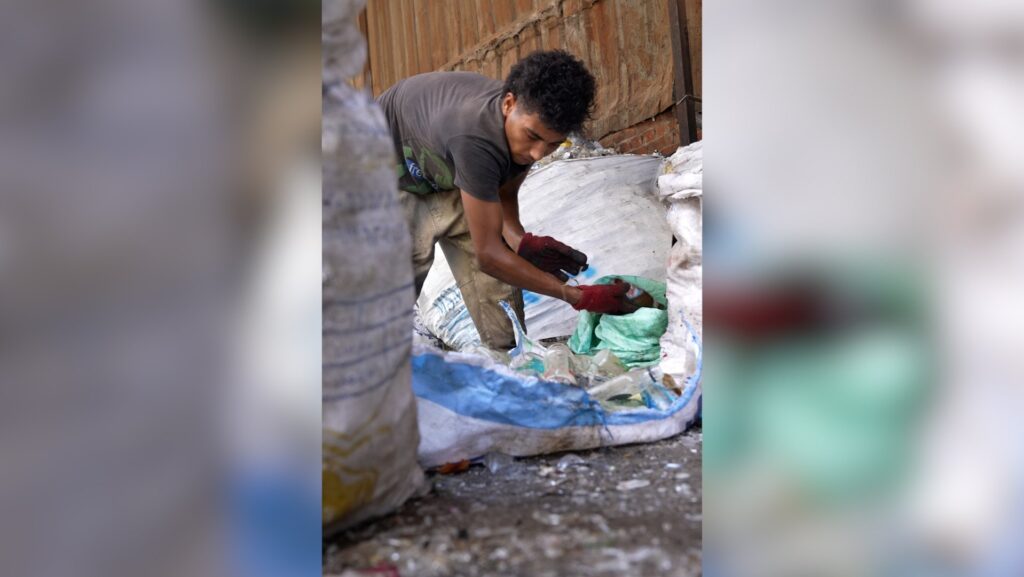
However, the increased value of trash has not translated into better earnings for the waste collectors who gather and sort recyclable materials. These collectors, often from marginalized communities, face rising operational costs including transportation, safety equipment, and storage. Furthermore, middlemen and recycling companies absorb much of the financial gains, leaving collectors with minimal benefits despite the soaring market prices.
Recyclers are caught in a squeeze between rising costs and fluctuating market demand. While demand for recycled waste has surged due to import disruptions, recyclers must contend with increased expenses for labor, collection logistics, and processing. This squeeze threatens the viability of small-scale recycling operations that form the backbone of Cairo’s waste management system.
The war on Iran has also heightened geopolitical tensions that affect trade dynamics across the region. Sanctions and shipping delays have compounded the scarcity of raw materials, further pushing Cairo’s reliance on recycling. This makes the city’s informal recycling sector even more critical for sustaining economic activity and minimizing environmental degradation.
Efforts to support recyclers and waste collectors are necessary to address these challenges. Initiatives could include better labor protections, subsidies for equipment and transportation, or formal inclusion of collectors in the recycling supply chain to ensure they share in the increased wealth. Enhancing the efficiency and sustainability of Cairo’s recycling industry is vital for the city’s environmental health and economic resilience in the face of geopolitical instability.
In conclusion, while the war on Iran has indirectly increased the value of Cairo’s trash, the benefits are unevenly distributed. Waste collectors, who play a crucial role in the recycling ecosystem, see less financial improvement amidst rising costs and market uncertainties. Addressing this imbalance requires coordinated efforts involving government policies, private sector engagement, and community support to ensure a fairer and more sustainable recycling economy in Cairo.