In a recent escalation of tensions in the Middle East, Tehran has claimed responsibility for attacks on military bases in Jordan and the United Arab Emirates (UAE) following a U.S. airstrike targeting Iranian Revolutionary Guard Corps (IRGC) positions.
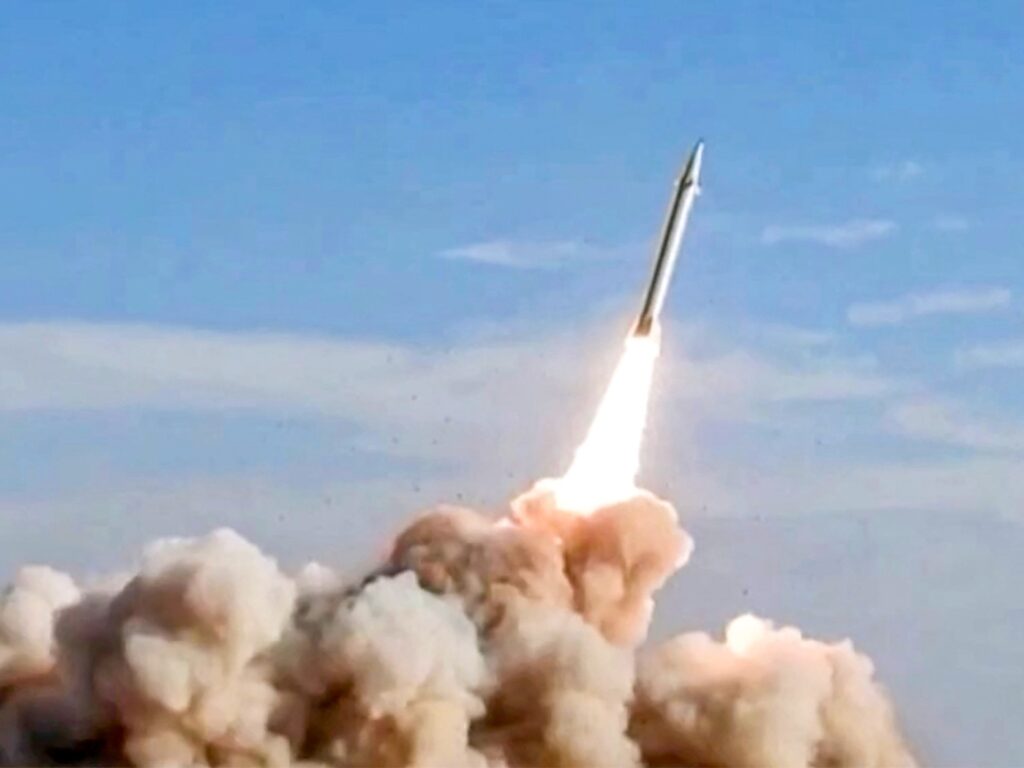
The developments began when CENTCOM (United States Central Command) announced that U.S. forces conducted precision bombings on two IRGC rocket launcher sites located on Larak Island. According to CENTCOM, these sites posed an “imminent threat” to U.S. interests and regional stability. The airstrike aimed to neutralize this threat and enforce deterrence against further hostile actions by Iranian-backed groups.
Following the U.S. action, Tehran swiftly responded with attacks on what it described as U.S. and allied bases in Jordan and the UAE. The Iranian government framed these retaliatory strikes as defensive measures in response to what it called unprovoked aggression by the United States. These events signify a sharp escalation in hostilities after months of rising tensions between the U.S. and Iran.
The context behind this confrontation involves ongoing disputes over Iran’s nuclear program, regional influence, and support for proxy groups across the Middle East. Tensions have been particularly high in strategic areas such as the Persian Gulf, where shipping lanes and military installations frequently become flashpoints.
Iran’s claim to have attacked bases in Jordan and the UAE marks a notable expansion of the conflict’s geographic scope, highlighting the broader regional implications. Both Jordan and the UAE are key U.S. allies in the region and hosts to several military and intelligence facilities used to monitor Iranian activities.
The U.S. has not yet provided confirmation of the attacks in Jordan and the UAE that Iran claimed, and officials remain cautious as investigations continue. The situation remains fluid, with heightened alert levels across the region as military forces prepare for potential further conflicts.
Analysts warn that this latest exchange could trigger a cycle of retaliatory attacks, increasing the risk of a wider confrontation. Diplomatic efforts to de-escalate tensions are expected to intensify, involving regional and international actors who advocate for dialogue over military confrontation.
Meanwhile, global markets and oil prices have reacted to the news, reflecting concerns over potential disruptions to energy supplies from the strategically vital Gulf region.
The international community is closely monitoring the developments, urging restraint from all parties to prevent further destabilization. The coming days will be critical in determining whether these incidents will lead to sustained conflict or open pathways for negotiations and conflict resolution.
In summary, the recent U.S. strike on IRGC rocket launchers on Larak Island prompted a swift and forceful response from Tehran, which claimed attacks on bases in Jordan and the UAE. This escalation underscores the precarious security environment in the Middle East and the continued volatility stemming from U.S.-Iran rivalries.