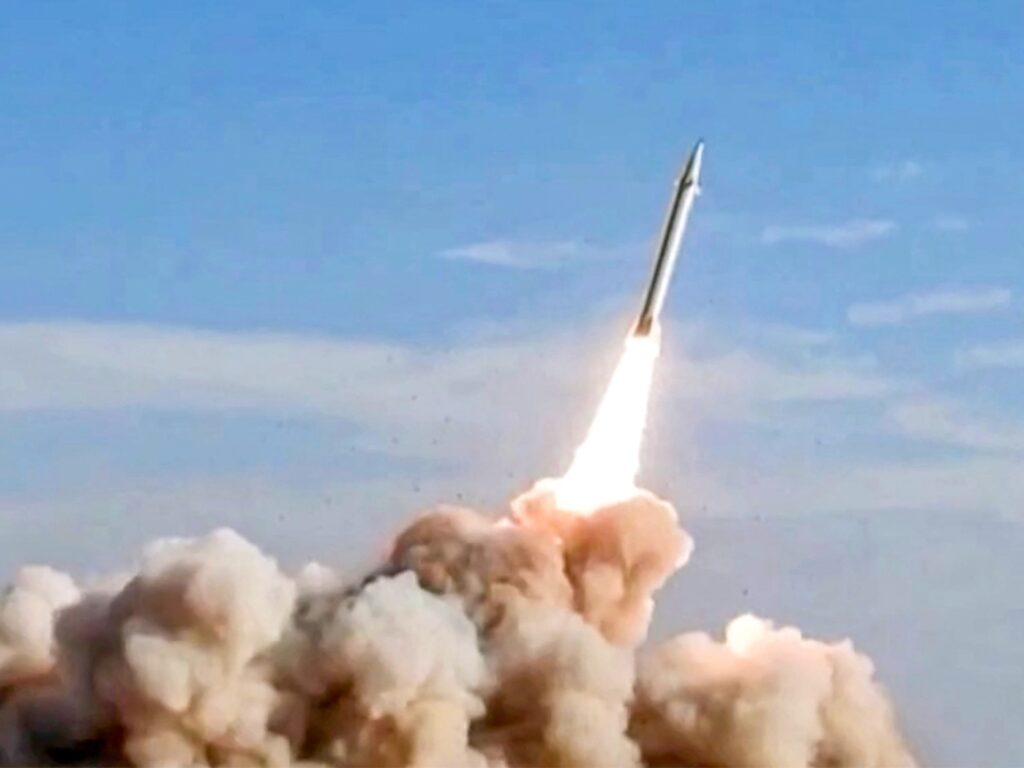
In an escalating conflict in the Middle East, recent developments reveal heightened tensions between Iran and the United States. The US Central Command confirmed that its forces targeted and bombed two rocket launchers belonging to the Islamic Revolutionary Guard Corps (IRGC) on Larak Island. This strike represents a significant move amid ongoing hostilities in the region.
Following the US action, Tehran announced retaliatory strikes on military bases located in Jordan and the United Arab Emirates (UAE). These counterattacks signal an expansion of the conflict’s geographic scope, potentially involving multiple nations and complicating regional security dynamics.
The initial US strike focused on Larak Island, strategically positioned in the Persian Gulf, which serves as a critical point for regional military activities. The rocket launchers targeted by US forces are believed to have been involved in hostile operations that threatened both American personnel and allied interests in the area.
In response, Iran’s government has framed its military actions as defensive measures aimed at deterring further aggression. Tehran’s decision to target bases in Jordan and the UAE is notable given these countries’ alliances and their diplomatic relations with both the West and regional actors.
The sequence of attacks underscores the precarious balance of power in the Middle East, where proxy conflicts and direct military engagements often intertwine. Analysts warn that such escalations could lead to broader confrontations, destabilizing an already volatile region.
International communities have expressed concern over the possibility of further escalation. Calls for restraint and dialogue have been made by various global leaders and organizations, emphasizing the need to prevent a full-scale war.
This development comes at a time when geopolitical interests in the Middle East are intensely contested, with numerous actors involved either directly or indirectly. The involvement of Jordan and the UAE as targets introduces new variables into the conflict equation.
Observers note that the situation remains fluid, with the potential for rapid changes depending on the strategic decisions made by involved parties. Monitoring the responses from regional powers and international stakeholders will be crucial in the coming days.
The humanitarian impact of these conflicts is profound, with civilians often bearing the brunt of violence and instability. The international community’s role in mediating peace and providing aid continues to be indispensable.
As this situation develops, focus remains on diplomatic efforts to de-escalate tensions and promote a peaceful resolution. The ongoing conflict serves as a stark reminder of the fragility of peace in geopolitically sensitive areas and the urgent need for constructive engagement among all parties.