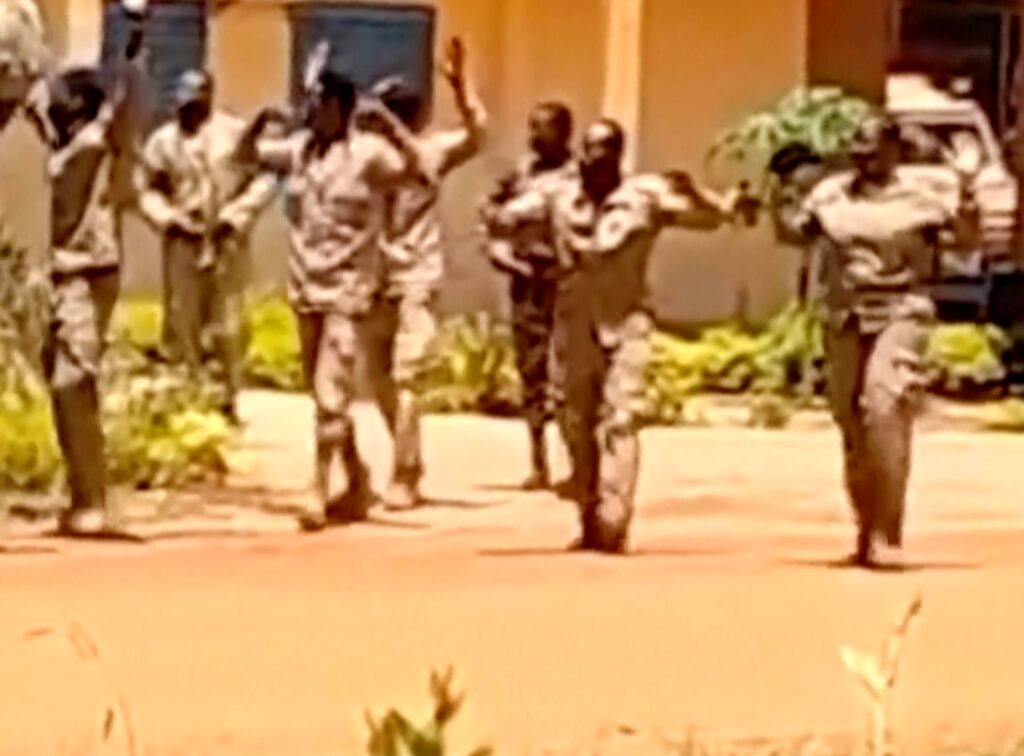
In a significant and alarming development, authorities in Niger’s capital have detained dozens of soldiers suspected of orchestrating an attempted coup. The incident has sent shockwaves through the nation’s political and military spheres, raising concerns about stability and governance in the West African country.
Reports indicate that the attempted coup was swiftly identified and thwarted by loyalist forces within the military and security agencies. The detained soldiers are believed to have mobilized within strategic locations in the capital, seeking to seize control of key government institutions. However, their plans were disrupted before they could fully manifest.
While official statements have been limited, government sources confirm the arrests and emphasize that the situation is under control. President Mohamed Bazoum, who has been in office since April 2021, is reported to remain safe and in command of the government.
This event underscores the ongoing challenges Niger faces in maintaining political stability amidst a complex regional security environment marked by insurgent violence and internal unrest. Niger, a country rich in natural resources, has experienced periods of political turmoil and military interventions in the past.
The arrest of these soldiers reflects the government’s commitment to preserving democratic order and preventing disruptions to constitutional governance. It also highlights the critical role of the armed forces and security agencies in safeguarding the nation’s democratic institutions.
International observers and regional organizations have expressed concern over the incident and called for calm and respect for constitutional processes in Niger. Neighboring countries and global partners are closely monitoring the situation, offering support to ensure the country’s stability.
The government is expected to conduct thorough investigations into the coup attempt, with further details anticipated as the situation develops. Trials and legal proceedings may follow for those involved, reinforcing accountability and the rule of law.
This attempted coup serves as a reminder of the fragility of democratic institutions in regions facing security and political challenges. It also emphasizes the importance of continued engagement, both domestically and internationally, to promote peace and stability in Niger and the broader Sahel region.
The coming days will be crucial for Niger as it navigates this crisis. Government efforts to maintain order, reassure citizens, and uphold democratic principles will be vital in restoring confidence and preventing further unrest. The international community’s support will likely play an essential role in helping Niger overcome this challenge and work towards a more secure and democratic future.