In the latest developments regarding the Iran conflict, Tehran has signaled that it is in no hurry to reopen the Strait of Hormuz, a critical chokepoint for global oil shipments. The Deputy Foreign Minister of Iran has stated that Iranian forces maintain “full oversight” of movements within the strategic waterway, underscoring Tehran’s control over this internationally significant passage.
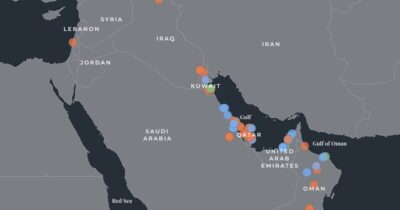
The Strait of Hormuz is a narrow channel that connects the Persian Gulf with the Gulf of Oman and the Arabian Sea, serving as a vital artery for the transportation of a substantial share of the world’s petroleum. Control over this strait offers significant strategic leverage, particularly amid escalating tensions in the region.
Iran’s stance comes at a time of heightened conflict, with ongoing attacks reported in the West Bank, adding layers of complexity to the geopolitical situation. These incidents have further strained the relations between regional powers and the West, contributing to an atmosphere of uncertainty and volatility.
Analysts suggest that by holding firm over the Strait of Hormuz, Iran is leveraging its strategic position to exert pressure and negotiate from a position of strength. However, the decision not to hasten the opening of the strait signals caution and a calculated approach to the unfolding conflict.
International responses have been mixed, with some countries calling for the immediate reopening of the strait to ensure free navigation and security of energy supplies, while others urge a more diplomatic engagement with Tehran to deescalate tensions.
The Deputy Foreign Minister’s remarks highlight Tehran’s continued vigilance and readiness to respond to any threats or attempts to challenge its authority in this crucial area. The Iranian government’s control over the movements within the strait asserts its capability to influence maritime traffic and regional security dynamics.
Meanwhile, the situation in the West Bank remains precarious, with ongoing attacks destabilizing the region and complicating peace efforts. The interconnection between the events in the West Bank and the developments around the Strait of Hormuz reflects the broader regional turmoil and the intricate web of geopolitical interests at play.
Global stakeholders closely monitor these developments, recognizing the potential implications for the international energy market and regional security architecture. The central role of the Strait of Hormuz, coupled with the volatile conditions in the West Bank, forms a critical juncture for diplomatic and strategic maneuvers.
Moving forward, the international community faces the challenge of balancing assertive security measures with diplomatic initiatives to reduce hostilities and ensure the safe passage of maritime traffic in the Strait of Hormuz. The situation underscores the enduring fragility of peace and stability in the Middle East.
In summary, Tehran’s measured approach to reopening the Strait of Hormuz, combined with the ongoing unrest in the West Bank, marks a significant moment in the evolving Iran conflict. The control over this vital maritime corridor and the associated regional tensions continue to shape global discourse on security, energy, and diplomacy.