Iceland is currently amidst a tense and closely contested referendum that will decide the country’s future relationship with the European Union. The leadership has pledged to respect the democratic will of the people, even as the vote count remains too close to call.
The referendum has captured significant attention both domestically and internationally, as Iceland weighs the benefits and challenges of deeper integration with the EU. Proponents argue that EU membership could bring economic stability, boost trade, and provide stronger political ties with European partners. Opponents, however, fear that joining the EU may lead to a loss of sovereignty, especially regarding Iceland’s critical fishing industry and national policies.
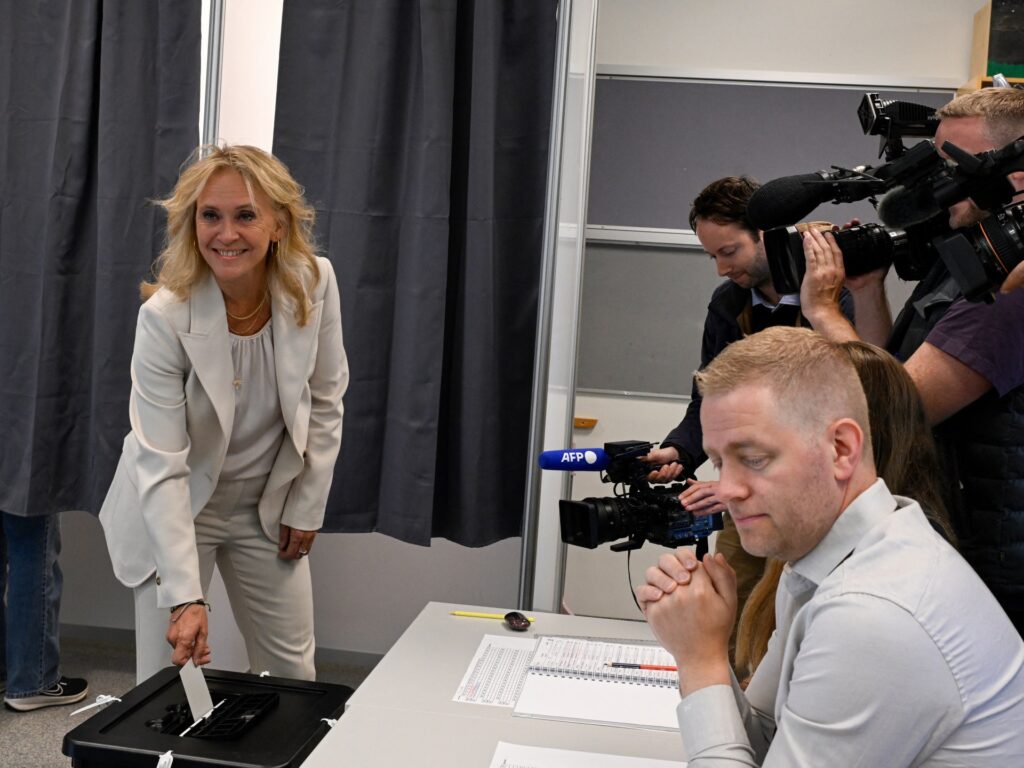
Polling stations across the country have seen high voter turnout, reflecting the deep importance of this decision to the Icelandic people. Authorities are working diligently to ensure a transparent and accurate count of the votes, with officials cautioning that the process may take time given the narrow margins.
Prime Minister and other governmental leaders have emphasized their commitment to uphold the referendum results, regardless of the outcome. This vow aims to maintain political stability and unity in a period of uncertainty.
The referendum’s implications extend beyond Iceland’s borders. The EU has been closely monitoring the vote, as Iceland’s accession could influence broader dynamics within the union. Additionally, neighboring countries watch keenly, given Iceland’s strategic location in the North Atlantic.
Historical context plays a significant role in this debate. Iceland has had a complicated relationship with the EU, previously applying for membership but later withdrawing its application. This referendum represents a critical juncture that could redefine Iceland’s position on the European stage.
Economic considerations dominate much of the discourse. Iceland’s economy is heavily reliant on fisheries, tourism, and renewable energy. EU membership could open new markets but might also impose regulations that some fear could hamper local industries.
Environmental issues are also part of the conversation, with many voters concerned about sustainable use of natural resources and the impact of EU policies on Iceland’s unique ecosystems.
On the social front, questions about immigration and the harmonization of laws have fueled debate, reflecting broader European conversations about balancing open borders and national identity.
As the vote count continues, political analysts remain divided. Some see an EU membership as a pathway to greater prosperity and security, while others foresee risks that could overshadow potential gains.
Regardless of the outcome, this referendum marks a significant moment in Iceland’s democratic process, highlighting the active engagement of its citizens in shaping their country’s future.
In the coming days, once the final results are confirmed, Iceland will likely face a period of adjustment and reflection as it aligns its policies and international relations based on the referendum outcome.
For now, the world watches closely as Iceland stands at a crossroads, its fate in the EU hanging in the balance after a hard-fought and nail-biting vote count.