In a climate of escalating geopolitical tensions, Iran has asserted its commitment to stand firm against ongoing US sanctions, signaling a dual approach of diplomacy and defense to safeguard its national interests. Tehran’s declaration comes at a time when the pressure from international sanctions continues to challenge the Iranian economy and political landscape.
Iranian officials have emphasized that the country’s strategy is not solely reliant on military means but equally focused on diplomatic efforts to resolve conflicts and reduce tensions. This approach reflects a nuanced understanding of the complex international environment, where dialogue and negotiation remain crucial despite the backdrop of sanctions and military threats.
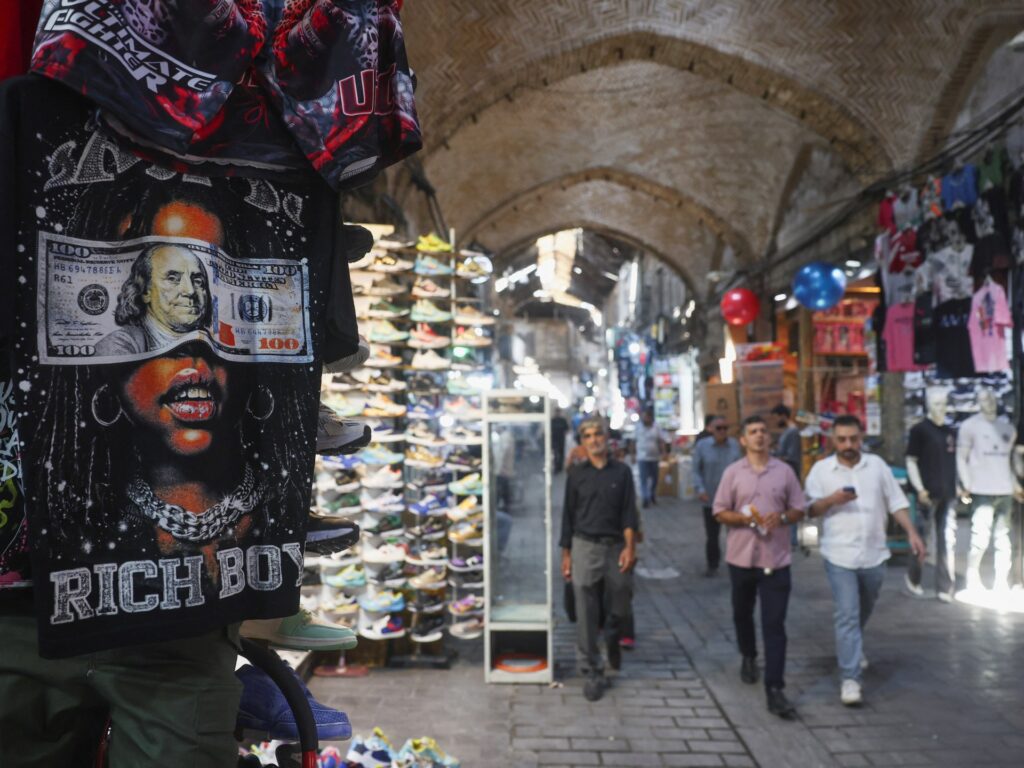
The US sanctions, primarily targeted at curbing Iran’s nuclear program and regional influence, have had significant economic impacts. Tehran’s response highlights a resolve to mitigate these effects through resilience and strategic partnerships both within the region and globally.
Concurrently, the region has witnessed an upsurge in local conflicts, such as the reported siege of the Palestinian village of Qusra by settlers. This incident underscores the volatile nature of the Middle East, where multiple flashpoints threaten stability. The settler siege has drawn condemnation from various quarters and has added to the growing humanitarian concerns in Palestinian territories.
Iran’s stance comes amid a broader context of shifting alliances and ongoing disputes in the Middle East. The country’s commitment to balancing diplomatic engagement with defensive preparedness reflects an effort to maintain influence and protect sovereignty against external pressures, particularly from the United States and its allies.
Analysts suggest that Iran’s dual approach may serve as a model for other regional actors facing similar pressures, emphasizing the importance of flexibility in strategy and the pursuit of peaceful solutions alongside maintaining robust defense capabilities.
The coming months will be critical in determining whether Iran’s strategy results in a de-escalation of tensions or a further entrenchment of conflict dynamics. The international community closely watches Tehran’s moves, hoping for constructive diplomacy but preparing for contingencies if the situation deteriorates.
Meanwhile, the humanitarian impact of regional conflicts like the Qusra siege remains a pressing concern, calling for urgent attention to human rights and conflict resolution efforts. Continued dialogues at international forums are expected to address these issues, aiming to foster peace and stability in a turbulent region.
In summary, Iran’s vow to combine diplomacy with defense in response to US sanctions illustrates a strategic stance rooted in both pragmatism and resilience. With regional unrest such as the Qusra siege highlighting the fragility of peace, the intersection of diplomatic efforts and defensive readiness becomes even more critical in shaping the future of Middle Eastern geopolitics.