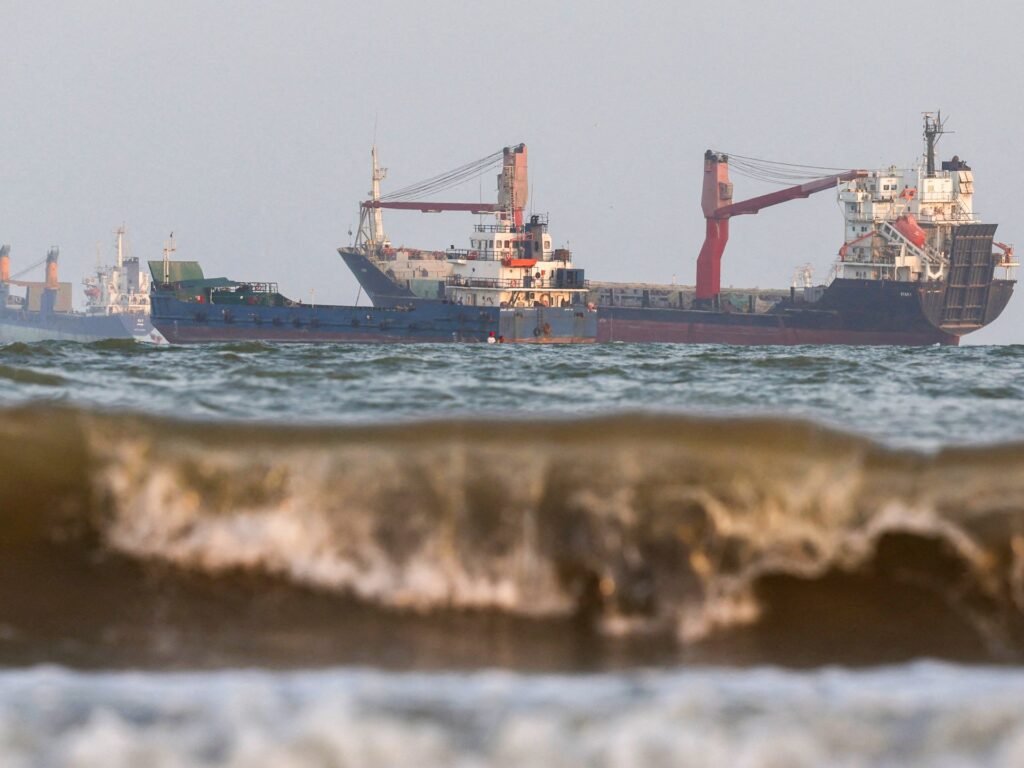
In a tense geopolitical development, Tehran has declared that it is in no hurry to reopen the strategically vital Strait of Hormuz, a critical maritime passage for global oil shipments. The Iranian deputy foreign minister emphasized that Iranian forces maintain “full oversight” of all movements within the strait, underscoring Tehran’s control and its readiness to influence regional navigation as a critical leverage point in ongoing conflicts.
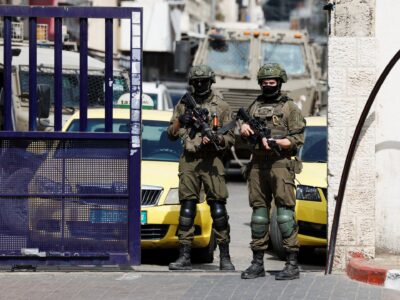
This assertion comes amid growing unrest elsewhere, notably in Qusra, where escalating tensions have seen settlers besiege the area, further complicating an already volatile situation. The siege in Qusra highlights the regional instability that continues to affect the Middle East, exacerbating fears of widespread conflict.
The Strait of Hormuz, through which a significant portion of the world’s petroleum passes, has been a flashpoint in international relations. Tehran’s statement regarding its control over the strait signals a firm stance, underscoring the nation’s capability and willingness to manage security in this critical corridor.
Iran’s deputy foreign minister’s remarks are seen as a message to global powers and regional rivals alike, indicating that while Iran is not currently rushing to restore traffic through the strait, it remains vigilant and prepared to enforce its interests.
The situation in Qusra adds another layer of complexity. The besiegement by settlers in this contested area points to ongoing disputes over land and authority, a microcosm of wider regional tensions.
The confluence of these events—the strategic standstill at Hormuz and the local unrest in Qusra—reflects the heightened state of alert and unresolved issues within Iran and its neighboring regions. Observers watch closely as these dynamics evolve, given their potential implications for international security and energy supplies.
Tehran’s firm grip on Hormuz underscores Iran’s strategic posture in the global arena, leveraging geographical control to bolster its political and military objectives amid a landscape fraught with conflict and negotiation.
Meanwhile, the siege at Qusra remains a stark reminder of the human and political complexities that underpin the broader conflict affecting the Middle East. The international community continues to call for restraint and dialogue to prevent further escalation.
As the situation stands, Tehran’s cautious stance on reopening Hormuz and the unrest in Qusra signify a period of tense waiting and strategic calculation, with the potential to influence regional stability and global economic interests dependent on the safe passage of maritime commerce.