In recent times, South Africa has witnessed a surge in online anti-Muslim rhetoric, reflecting a growing trend of hostility expressed through social media and digital platforms. This online backlash is characterized by inflammatory comments, misinformation, and hate speech targeting the Muslim community. The proliferation of such rhetoric has raised widespread concern among civil society groups, religious leaders, and government officials about the potential for escalating division and violence.
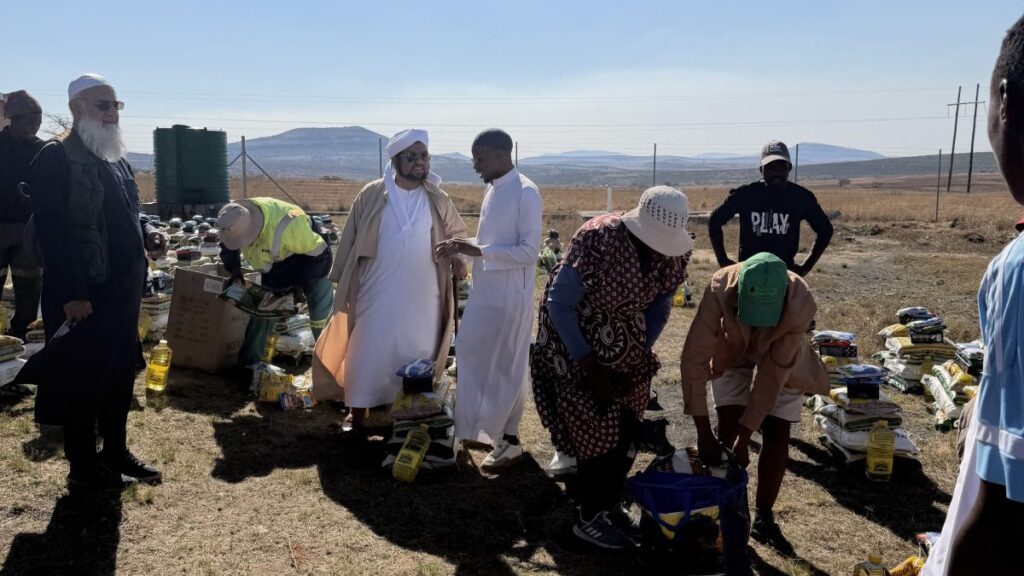
However, the reality on the ground in South Africa offers a more nuanced and complex picture that often contrasts with the vitriol observed online. South Africa is known for its rich tapestry of cultural and religious diversity, and in many communities, Muslims live in peaceful coexistence with people of other faiths and backgrounds. Instances of interfaith cooperation and dialogue are not uncommon, and many South Africans embrace pluralism as a core societal value.
The Muslim community in South Africa forms a significant minority, contributing to the social, economic, and cultural life of the country. In cities like Cape Town and Durban, Muslim neighborhoods thrive with active mosques, educational institutions, and community organizations. These communities have historically been part of South Africa’s broader anti-apartheid and civil rights movements, positioning themselves as advocates for justice and equality.
Community leaders emphasize that the hostility seen online does not reflect the everyday experiences of most South Africans. Many advocate for increased education about Islam and interfaith understanding to counteract stereotypes and misinformation that fuel prejudice.
Although incidents of Islamophobia do occur, they often receive swift condemnation from various sectors, including political leaders and human rights organizations. This response helps to reinforce social cohesion and counteract divisive narratives.
Experts suggest that the rise in online anti-Muslim sentiment may be linked to global trends of populism, misinformation, and the exploitation of fears in a digitally connected world. The anonymity and reach provided by the internet allow for rapid spread of hateful content, which does not always translate into physical-world actions.
Efforts to counter online hate include government initiatives to regulate digital content and promote respectful dialogue, as well as grassroots campaigns fostering inter-community relations and mutual respect.
In summary, while the online sphere in South Africa may show an alarming rise in anti-Muslim rhetoric, the tangible reality within the country reveals ongoing efforts to maintain harmony and mutual respect among its diverse populations. The challenge remains to bridge the gap between the online narratives and the inclusive social fabric cherished by many South Africans, ensuring that digital platforms do not become catalysts for real-world division or violence.