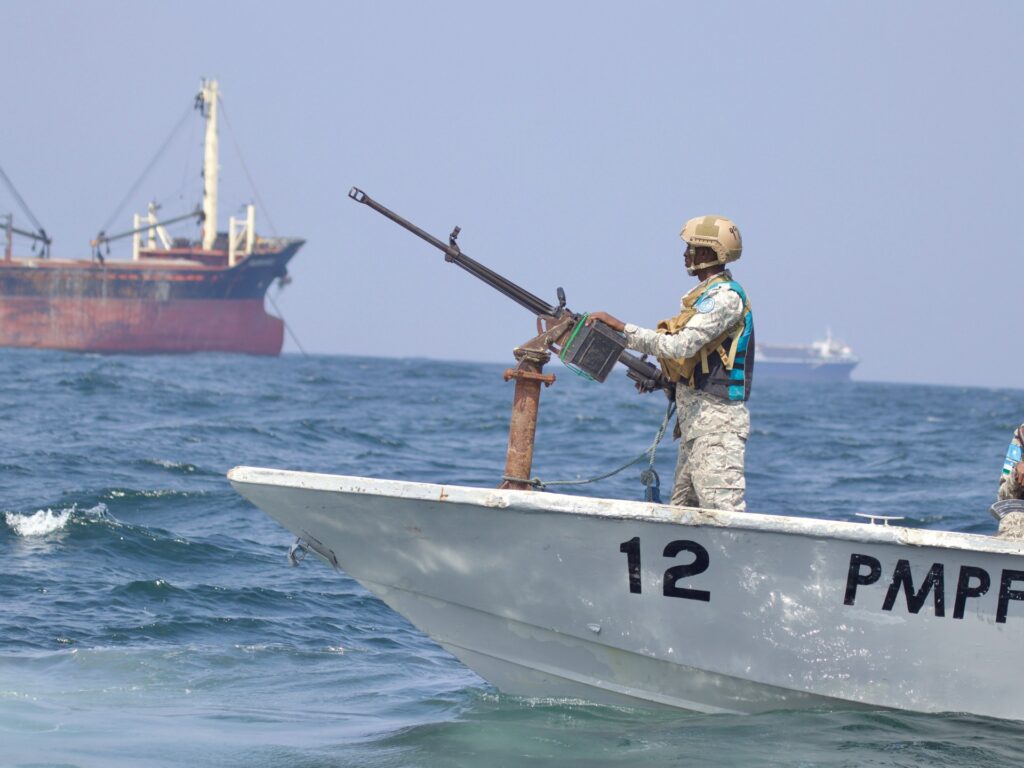
In a joint operation marked by strategic precision and determination, Turkish and Somali forces successfully liberated a Cameroon-flagged cargo vessel that was hijacked by pirates off the Somali coast. The operation lasted for 10 days, culminating in the rescue of the vessel from the pirates who had taken control of it.
According to Somali authorities, the operation resulted in the killing of 14 pirates, who had been responsible for the hijacking. The piracy incident had created significant concern due to the vessel’s cargo and the security risks posed to international shipping lanes in the region.
The cargo vessel, operating under the Cameroon flag, was seized by the pirates at an undisclosed location, sparking an immediate response from naval forces of the involved nations. The cooperation between Turkey and Somalia highlights the collaborative efforts being undertaken to combat piracy in one of the world’s most piracy-prone waters.
Somalia, a country long affected by maritime piracy due to its strategic location near the Gulf of Aden and the Indian Ocean, welcomed the successful rescue. The incident underscores ongoing challenges faced by regional forces in maintaining the security of crucial maritime routes used for global trade.
Turkey, which has vested interests in maintaining safe maritime corridors, deployed naval assets and special operations forces working closely with Somali counterparts. Their concerted efforts showcased the ability of international forces to address complex security threats through coordinated actions.
The operation involved intelligence gathering, surveillance, and tactical maneuvers aimed at minimizing risks to the hostages aboard the cargo ship and to the forces involved in the rescue operation. This careful balancing act resulted in the safe recovery of the vessel without reported casualties among the crew or rescuers.
International maritime organizations have praised the joint operation as a model for future interventions in piracy cases. The operation not only secured a vital commercial vessel but also sent a strong message to piracy networks operating in the region.
Piracy has long been a disruptive factor in Somali waters, often impacting trade, increasing shipping costs, and threatening the safety of maritime personnel. The success of this operation demonstrates the increasing capability and resolve of the involved nations to counter these threats.
Following the rescue, security measures around Somali territorial waters are expected to intensify, with increased patrols and cooperation between international naval forces. This commitment aims to further safeguard economic interests and promote stability in the region.
The Somalia-Turkey collaboration stands as an example of effective multinational cooperation combating maritime crime and securing peace in critical global shipping routes. As piracy threats evolve, such partnerships will be essential to ensuring the safety and security of international maritime navigation.