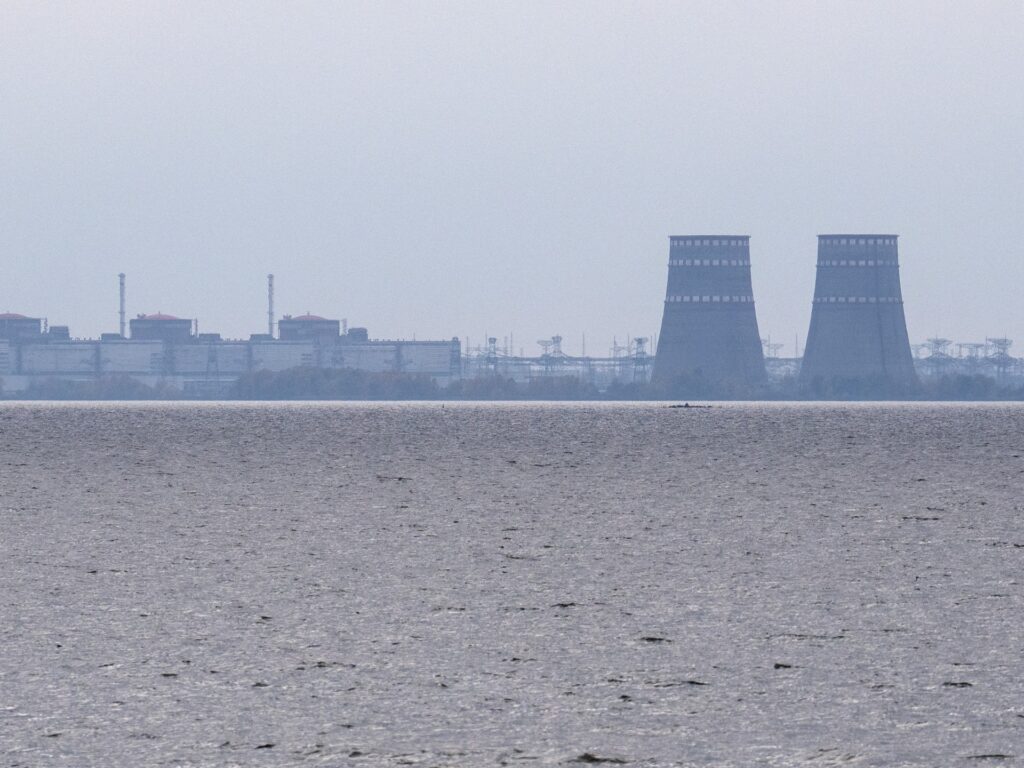
The Zaporizhzhia nuclear power plant in Ukraine has experienced a critical power loss, enduring over a week without external electricity supply. Since the onset of the Russian invasion, this marks the 27th occasion on which the facility has been forced to operate solely on emergency diesel generators.
As one of the largest nuclear power plants in Europe, Zaporizhzhia plays a pivotal role in Ukraine’s energy infrastructure, providing significant portions of the country’s electricity. The repeated loss of external power has raised considerable safety concerns both domestically and internationally, given the risks associated with nuclear power plant operations, especially when backup systems are heavily relied upon for extended periods.
The emergency diesel generators are designed as a fail-safe mechanism to maintain cooling systems and other critical functions when external power is interrupted. However, the prolonged use of these generators without restoring the main power grid not only stresses the equipment but increases the vulnerability of the plant to potential accidents or malfunctions.
The international community, including nuclear safety agencies and governments, has voiced alarm about the situation at Zaporizhzhia. Continuous power instability endangers the safe operation of the reactors, particularly under the conditions of ongoing military conflict in the region.
Ukraine has called for urgent international assistance and intervention to restore stable power connections to the plant, emphasizing that sustained outages could lead to hazardous scenarios, including nuclear incidents that would have devastating consequences beyond Ukraine’s borders.
Efforts are ongoing to secure the plant, protect its infrastructure, and ensure the safety of both personnel and the surrounding population. However, the precarious environment created by the war and repeated power disruptions greatly complicates these efforts.
Experts stress the importance of maintaining a stable and reliable power supply for nuclear facilities, especially during times of conflict. The Zaporizhzhia case has highlighted the need for robust emergency preparedness plans and international cooperation to prevent nuclear risks amid geopolitical crises.
This development underscores the broader energy challenges faced by Ukraine as it continues to grapple with the impacts of war, including attacks on critical infrastructure beyond the Zaporizhzhia plant. The resilience and safety of the country’s nuclear energy sector remain a top priority for the Ukrainian government and its allies.
In summary, the Zaporizhzhia plant’s repeated reliance on emergency diesel power for over a week signals a dangerous and unprecedented strain on Ukraine’s nuclear safety mechanisms. Immediate action and ongoing monitoring are essential to prevent a potential disaster and to safeguard the future of Ukraine’s energy security and public safety.