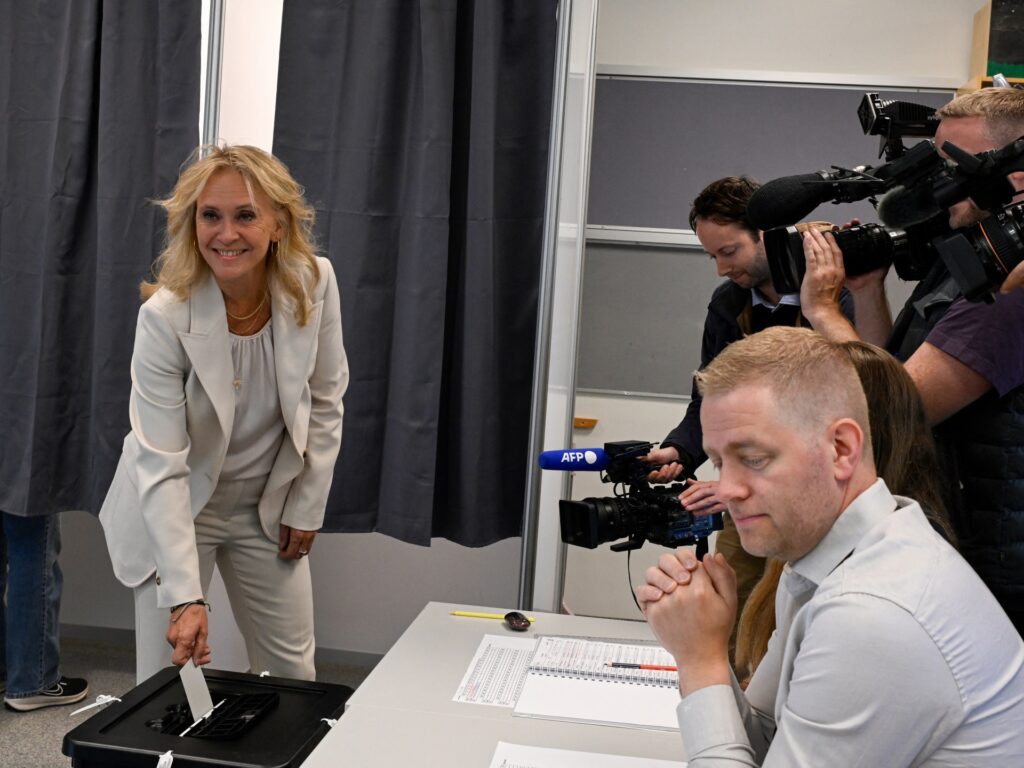
Iceland has reached a pivotal moment as voting closes in a highly contested referendum on European Union membership. The decision holds immense significance for the nation, its leadership, and its citizens, who have been divided over the prospect of joining the EU.
This referendum is described as a nail-biter, with the outcome expected to be razor-thin. The nation’s leaders have pledged to respect and honour the will of the people, underscoring the democratic values fundamental to Iceland’s governance.
The EU membership debate has been a polarizing issue for years, with arguments centered on economic benefits, sovereignty, and national identity. Proponents argue that joining the EU could secure Iceland’s economic future and provide greater stability through access to the single market and support during economic troubles.
Opponents fear that membership could erode Iceland’s sovereignty, particularly in areas like fishing rights and natural resource control, which are vital to its economy and cultural heritage. The fishing industry, a significant part of Iceland’s economy, has been a critical point of contention.
The referendum campaign has seen vigorous debate and engagement across Icelandic society. Voters, communities, and political figures have participated actively, recognizing the decision’s long-term consequences.
Early voting statistics remained closely matched, with neither side gaining a clear advantage, reflecting the divided public opinion. International observers and neighboring countries are watching the results closely, given the potential implications for regional geopolitics.
Iceland’s leadership emphasized that regardless of the referendum outcome, the country will focus on unity and moving forward together. This stance highlights the importance of maintaining social cohesion amid a potentially divisive political issue.
Should the vote favor EU membership, Iceland would initiate procedures to integrate its political and economic systems with the Union, a process likely to involve complex negotiations on terms and conditions.
Conversely, a decision to remain outside the EU would mean continuing current arrangements, including participation in the European Economic Area (EEA), which offers some access to the EU market without full membership obligations.
The referendum’s outcome will not only shape Iceland’s international relations and economic strategies but also serve as a barometer for public sentiment toward European integration in a broader context.
This decision marks a defining moment in Iceland’s history, with citizens exercising their democratic right to choose the country’s future direction on the international stage.