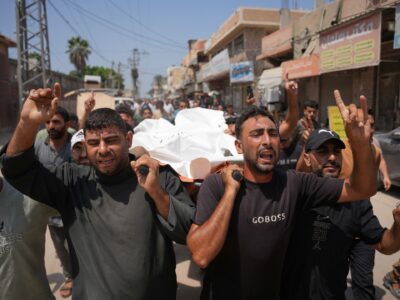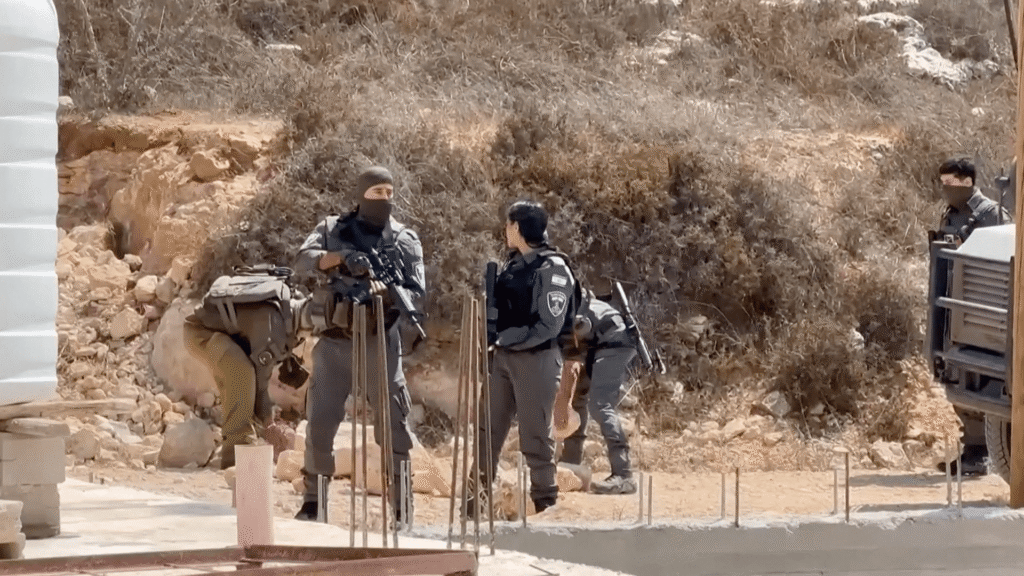
In a tense escalation in the occupied West Bank, the Israeli army arrested six Palestinians after a violent incident involving Israeli settlers in the village of Qusra. The settlers stormed the village, attacking Palestinian residents and causing damage to their homes. This latest episode adds to the ongoing cycle of tension and violence in the region.
The settled violence erupted when a group of Israeli settlers entered Qusra, located in the northern part of the West Bank, a region long contested and marked by frequent confrontations. According to eyewitnesses, the settlers aggressively confronted several Palestinian families, resulting in physical attacks and significant property damage.
Following the incident, Israeli military forces moved into the area, detaining six Palestinians. The circumstances surrounding these arrests remain unclear, but the move appears to be part of a broader effort to restore order after the clashes.
The incident has drawn condemnation from Palestinian authorities and human rights groups, who accuse the Israeli settlers of perpetrating violence against civilians with little accountability. They also criticized the Israeli military’s response, highlighting concerns about the detention of Palestinians instead of the settlers responsible for the attack.
This episode is yet another reflection of the deep-seated and complex conflict between Israelis and Palestinians, particularly in the West Bank, where settlements have long been a flashpoint. Israeli settlements in the area are considered illegal under international law, though Israel disputes this.
Residents of Qusra have expressed fear and frustration, urging the international community to intervene and protect Palestinian communities from settler violence. The attacks disrupt daily life, threaten safety, and exacerbate already strained relations between communities.
International bodies have called for restraint from all parties involved and advocated for renewed efforts toward peace. However, incidents like these underscore the challenges facing any diplomatic solutions given the entrenched hostilities on the ground.
As the situation remains volatile, close monitoring by the international community is crucial. The cycle of attack, retaliation, and arrests continues to heighten tensions in this fragile region, impacting not only those directly involved but also the broader prospects for stability and peace in the Middle East.