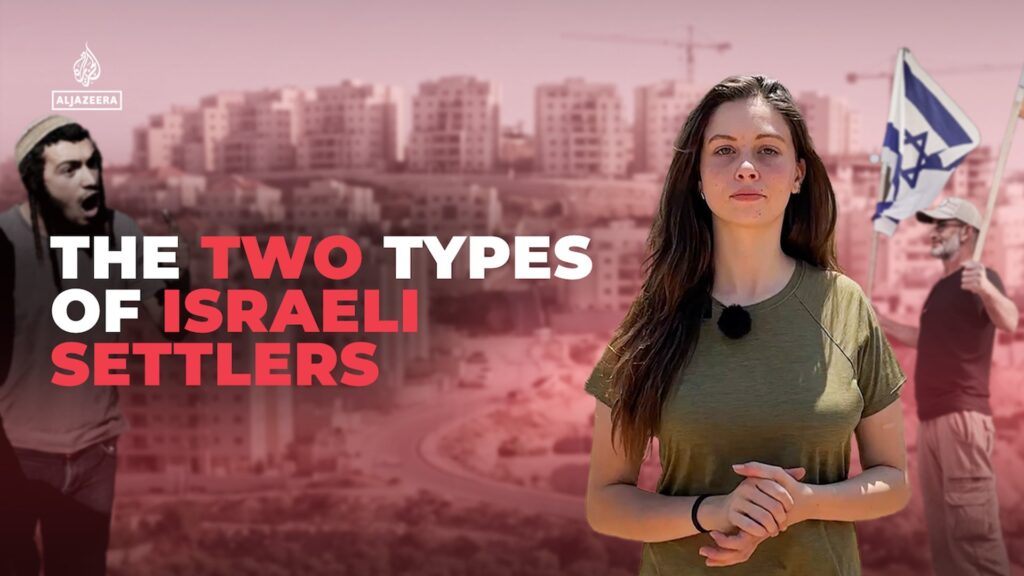
Israeli settlement expansion in the occupied West Bank is a complex phenomenon driven by two primary types of settlers, each motivated by distinct factors: ideology and economics. Understanding these two categories is essential for grasping the dynamics of the ongoing conflict and the challenges it presents for peace in the region.
The first group of settlers is primarily driven by ideology. These individuals view the West Bank, which they refer to as Judea and Samaria, as an integral part of the historic Land of Israel. Their settlement in these territories is rooted in religious, nationalist, and historical beliefs. They often belong to religious Zionist communities and see their presence as a fulfillment of a divine or historical mandate to reclaim and inhabit the land. For these settlers, living in the West Bank is a matter of faith and identity, and they are often willing to endure hardships and tensions for what they believe is a just and sacred cause.
These ideological settlers tend to establish communities that are tightly knit, with a strong emphasis on education, religious practice, and community cohesion. Their settlements are frequently supported by right-wing political groups and receive ideological backing from certain Israeli governmental and religious institutions. This support manifests in infrastructure development, security provisions, and sometimes legal protection despite international criticism.
On the other hand, the second group of settlers is motivated primarily by economic incentives. These settlers might not necessarily share the ideological zeal of the first group but are attracted to the relatively affordable housing and quality of life offered in the settlements. The cost of living and property prices in the West Bank settlements are often lower compared to central Israel, making these areas appealing for young families and individuals seeking economic opportunities or more spacious living conditions.
Economic settlers benefit from government subsidies, tax breaks, and other financial incentives provided to encourage settlement growth. These incentives lower the barriers to purchasing homes and establishing businesses in the area. For many settlers in this category, the decision to move to the West Bank is pragmatic, focusing on immediate personal or familial economic benefit rather than a long-term ideological commitment to the land.
The presence of these two types of settlers creates a complex dynamic within the settlement enterprise. While ideological settlers drive expansion with a vision of national and religious reclamation, economic settlers add momentum to growth through practical, financially motivated settlement. This combination complicates efforts to negotiate peace, as it broadens the constituency invested in the continuation and expansion of settlements.
The international community widely regards Israeli settlements in the West Bank as illegal under international law, a position Israel disputes. Settlement expansion is often a flashpoint in Israeli-Palestinian relations, hindering efforts to achieve a two-state solution and exacerbating tensions on the ground.
In conclusion, Israeli settlement expansion in the West Bank reflects the interplay between deeply held ideological beliefs and tangible economic incentives. Both types of settlers contribute to the ongoing entrenchment of settlements, making the prospect of reversing or halting this trend more challenging. Any lasting resolution to the conflict will need to address the diverse motivations behind settlement growth and the political and economic realities that sustain it.