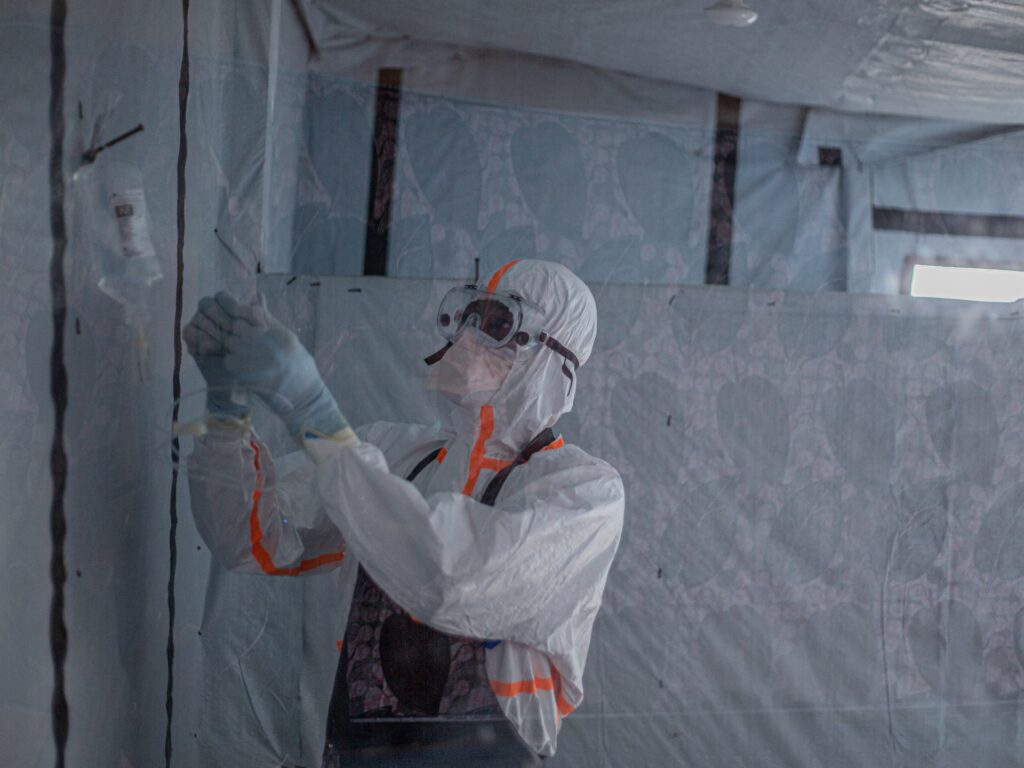
The Democratic Republic of Congo (DRC) has commenced the vaccination of front-line healthcare workers in response to the ongoing Ebola outbreak in the region. This significant step aims to protect the most vulnerable personnel who are directly involved in treating patients and managing the crisis.
Ebola, a severe and often fatal illness, has once again emerged as a formidable threat, prompting urgent public health measures in the DRC. The outbreak involves the Bundibugyo strain of the virus, a variant that has presented unique challenges in containment and treatment.
Authorities in the DRC are actively engaged in efforts to control the spread of the virus, combining vaccination campaigns with other preventive and treatment strategies. Alongside vaccinating healthcare workers, ongoing clinical trials are underway to evaluate the efficacy and safety of a vaccine specifically targeting the Bundibugyo strain.
The vaccination of front-line personnel is a crucial component of the public health response. Healthcare workers are at a heightened risk due to their close contact with infected patients. By vaccinating these individuals, the DRC aims to reduce transmission within healthcare settings and maintain an effective workforce essential for managing the outbreak.
Trials for the Bundibugyo strain vaccine are being carefully monitored by health authorities and international partners. These studies are vital for determining if the vaccine can provide immunity and help curb the spread of Ebola in affected communities.
The Bundibugyo strain of Ebola is known for its distinct genetic makeup compared to other strains, making the development of targeted vaccines and treatments crucial. This strain has been responsible for outbreaks in Uganda and the Congo before, underscoring the importance of region-specific medical solutions.
In the larger scope of outbreak management, the use of vaccination, timely diagnosis, isolation of cases, and community engagement are key pillars of the response strategy. Educating the public about transmission risks and symptoms remains a priority alongside medical interventions.
The DRC government’s swift action to vaccinate healthcare workers and conduct vaccine trials demonstrates a proactive approach in addressing this public health emergency. International cooperation and support continue to enhance the response capabilities, providing resources, expertise, and funding.
While challenges remain due to the complex nature of Ebola and logistical hurdles in vaccine distribution, the progress in vaccination campaigns offers hope for controlling the outbreak.
Healthcare workers stand as the frontline defense not only in delivering care but also in embodying the commitment to confront and eventually end the outbreak. Protecting them through vaccination is an essential step towards safeguarding public health and preventing further loss of life.
As the trials proceed, further updates are expected on the vaccine’s effectiveness, which will inform future strategies and deployment plans. The integration of research findings into public health practices will be pivotal in overcoming this health crisis.
In summary, the DRC has taken a decisive measure by beginning the vaccination of front-line healthcare workers while continuing trials for a vaccine against the Bundibugyo Ebola strain. These efforts represent a critical advance in the global fight against one of the most deadly viruses, aiming to save lives and restore health stability in the affected regions.