The Democratic Republic of Congo (DRC) has initiated an urgent Ebola vaccination campaign in response to the deadliest outbreak of the virus in the region. This public health maneuver aims to curb the spread of the highly infectious disease and protect vulnerable communities from its severe impacts.
The Ebola virus, known for causing severe hemorrhagic fever, has claimed numerous lives in the DRC, triggering alarm among health officials and residents alike. In light of the outbreak’s rapid spread, the government, in collaboration with international health organizations, has prioritized immunization efforts as a critical tool to control the epidemic.
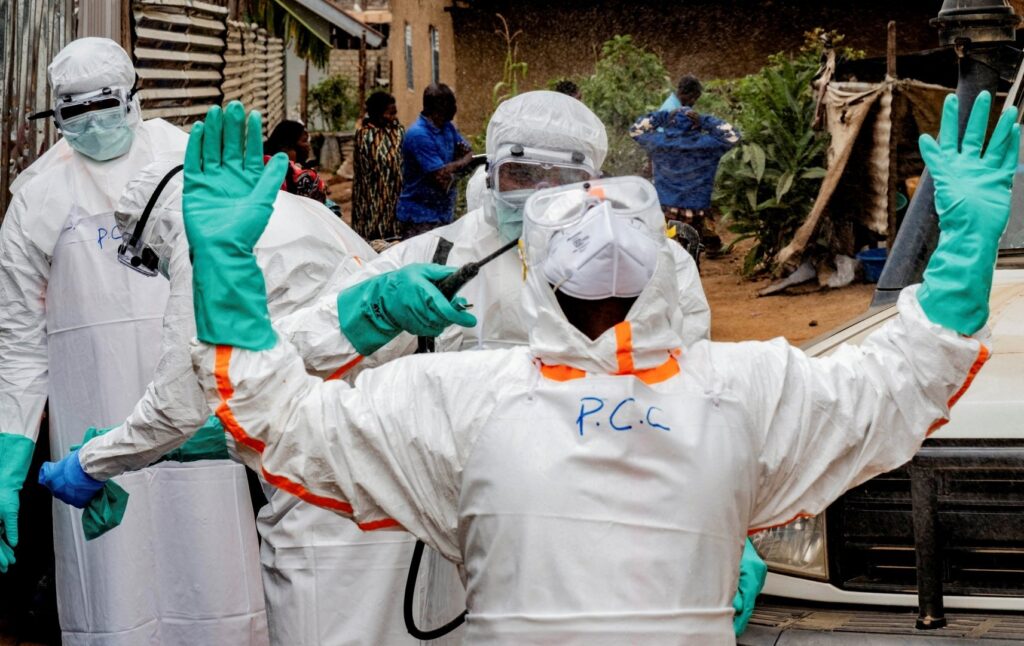
The vaccination drive targets front-line health workers, contacts of confirmed cases, and residents in affected areas where transmission rates are highest. Medical teams are deploying the rVSV-ZEBOV vaccine, a proven vaccine that has been previously used in other Ebola outbreaks with significant success.
Health Minister of DRC emphasized the urgency and importance of the campaign, stating that vaccination is an effective strategy to break the chain of transmission and prevent a broader health crisis. The government has also ramped up awareness programs to educate the public about the symptoms of Ebola and preventative measures.
Logistical challenges remain significant due to remote locations, ongoing conflict in some regions, and previously limited healthcare infrastructure. Nonetheless, international partners including the World Health Organization and Médecins Sans Frontières are providing critical support in terms of resources, personnel, and expertise.
The Ebola outbreak in the DRC has highlighted the fragility of the health system and the need for sustained investment in disease surveillance and emergency response capabilities. Authorities are hopeful that the vaccination campaign will significantly reduce new cases and ultimately bring the outbreak under control.
This campaign is a beacon of hope for the residents of affected regions and a crucial step toward preventing future outbreaks of Ebola in the Democratic Republic of Congo and beyond. Coordination between local governments, health agencies, and global partners will remain essential to ensure the success of this life-saving vaccination initiative.