A recent controversy has emerged involving Judge Roy Altman, a federal judge in the United States, who is facing a formal complaint over his staunch pro-Israel advocacy. The complaint centers around Altman’s public criticism and characterization of Palestinian symbols and causes, raising concerns about potential bias in his professional conduct.
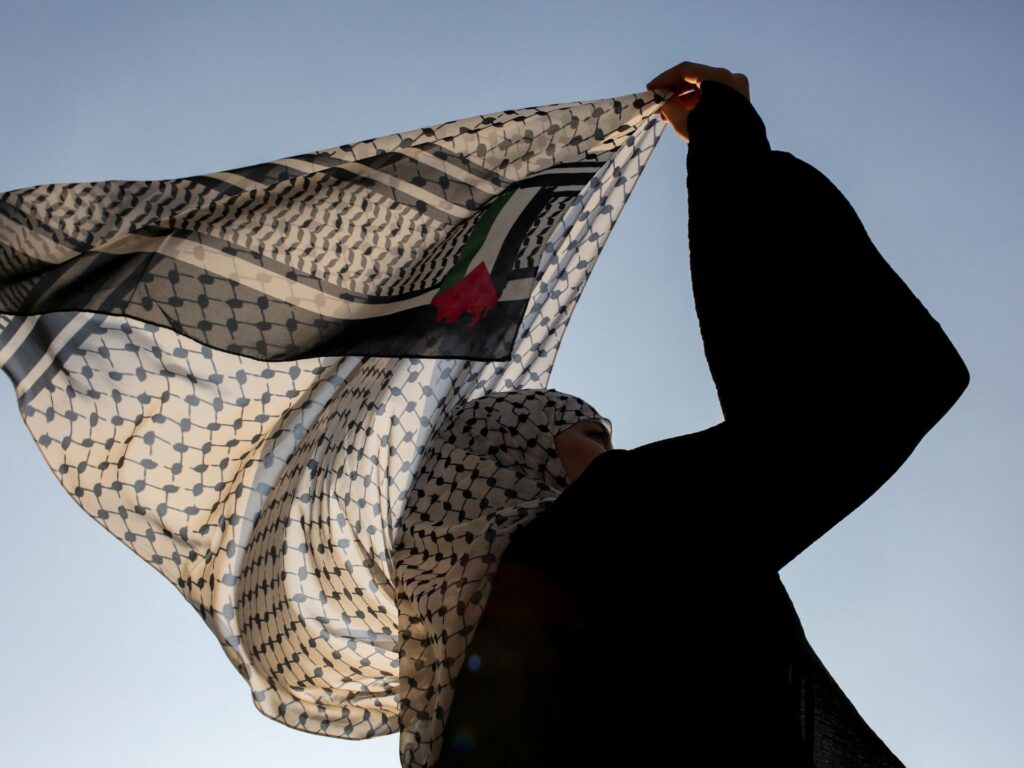
Judge Roy Altman reportedly referred to the keffiyeh, a traditional scarf often worn as a symbol of Palestinian solidarity, as a “terror scarf.” This remark has been identified as a major point of contention and has led to allegations of an anti-Palestinian bias. Critics argue that such statements from a federal judge may reflect prejudice and could undermine the impartiality expected from members of the judiciary.
The complaint was filed by a lawyer who contends that Altman’s remarks and his overt support for Israel demonstrate a partial viewpoint that compromises his ability to fairly adjudicate cases related to Palestinian issues or broader Middle Eastern conflicts. This comes amid heightened tensions in the region and increased scrutiny of political and judicial attitudes toward Israeli-Palestinian matters.
Judge Altman, who is known for his vocal pro-Israel stance, has faced previous scrutiny for his public expressions of opinion on geopolitical issues. However, this latest accusation brings the focus to his judicial neutrality, particularly in federal courts where impartiality is a cornerstone of the justice system.
The keffiyeh, often seen as a symbol of Palestinian identity and resistance, has complex connotations. While supporters view it as an expression of cultural pride and resilience, detractors link it to militancy and extremism. Judge Altman’s characterization of it as a “terror scarf” highlights the deep divisions in perception and politics surrounding symbols tied to the Israeli-Palestinian conflict.
Legal analysts note that judicial conduct must adhere to standards that prevent any appearance of bias, especially on politically sensitive issues. The complaint against Altman raises questions about how judges’ personal beliefs and public statements intersect with their professional responsibilities.
The case prompted responses from various communities and advocacy groups, reflecting the polarized views on Middle Eastern politics in the United States. Some support the complaint as necessary for maintaining judicial fairness, while others believe Altman is being unfairly targeted for expressing legitimate political opinions.
This incident underlines ongoing challenges in balancing freedom of speech and judicial ethics, especially in cases involving charged international conflicts. The outcome of the complaint could have implications for how judicial conduct is evaluated in politically sensitive contexts going forward.
As this situation develops, it is likely to provoke further debate about the role of personal beliefs in the judiciary and the importance of maintaining impartiality amid divisive global issues. The scrutiny of Judge Altman’s conduct may serve as a precedent for addressing similar concerns with other public officials in the future.