In the West Bank village of Qusra, tensions escalate as Israeli authorities have established three new roadblocks, intensifying the existing siege imposed by settlers around Palestinian homes. This latest development marks a significant expansion of restrictions that have severe implications for the daily lives and mobility of residents in the area.
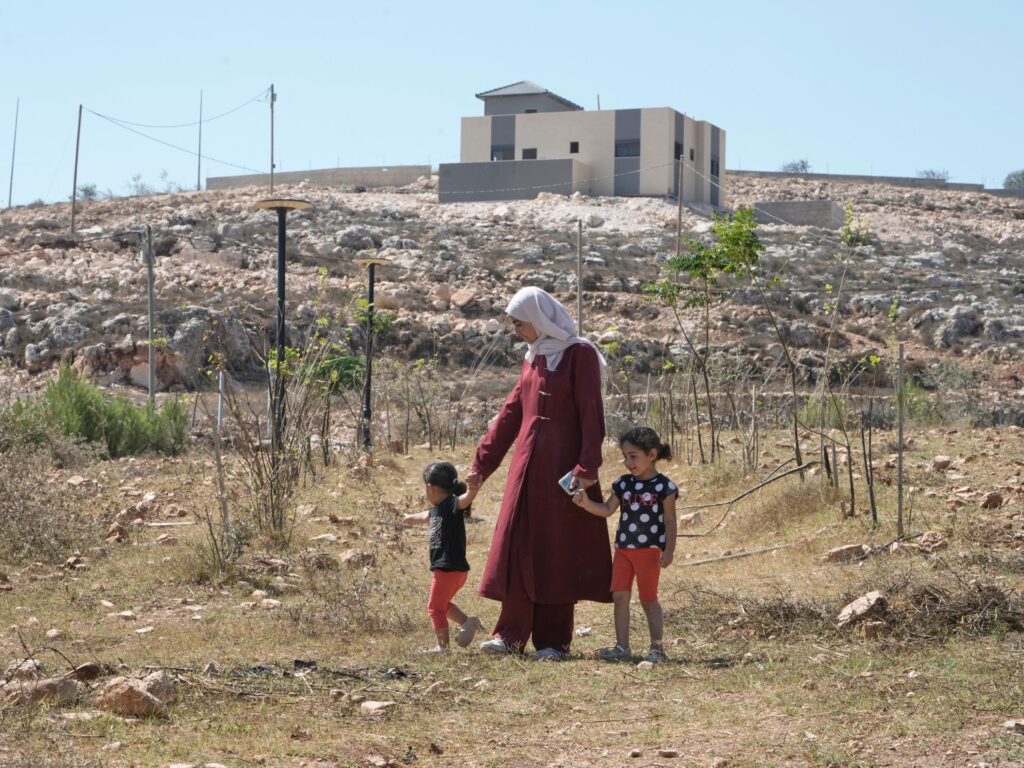
Qusra, a small village in the occupied West Bank, has been a focal point of conflict for weeks. The settler siege, which began as a localized issue, has now taken on a more expansive character with the installation of these gates. The move effectively restricts the movement of Palestinian residents, cutting them off from neighboring areas and complicating access to essential services such as schools, healthcare, and markets.
The new Israeli roadblocks serve as physical and symbolic barriers that deepen the isolation of Palestinian homes, exacerbating existing hardships under occupation. Residents report heightened fears and uncertainty, as the gates restrict freedom of movement and increase exposure to potential confrontations. The presence of these obstacles also fuels concerns about further land annexation and settlement expansion in the West Bank.
Human rights organizations have criticized the establishment of these gates, describing them as collective punishment measures that violate international law. They highlight that restricting movement and access to basic necessities severely undermines the rights and dignity of the Palestinian population in Qusra.
Local leaders and activists in the West Bank have called for urgent international intervention to de-escalate the situation and revoke the newly imposed restrictions. They warn that continued isolation through such measures only deteriorates the fragile security and humanitarian situation in the region.
The broader context of these developments lies within the ongoing Israeli-Palestinian conflict, where issues of territorial control, settlement expansion, and security concerns are deeply intertwined. The expansion of roadblocks and siege tactics reflects a pattern of increased military and settler presence in contested areas of the West Bank.
For the residents of Qusra, daily life under siege means not only physical barriers but also psychological strain. The uncertainty about future access, the risk of violence, and the lack of movement freedom affect families, children, and the elderly alike.
International calls for peace and respect for human rights continue amidst these tense circumstances. However, the establishment of additional roadblocks underscores the urgent need for renewed dialogue and efforts to find a sustainable resolution to the longstanding conflict.
As the situation develops, monitoring by international observers and humanitarian groups remains critical to document impacts and advocate for the protection of vulnerable populations in Qusra and beyond. The hope is that increased awareness and pressure will contribute to alleviating the siege and restoring dignity and freedom to affected communities in the West Bank.