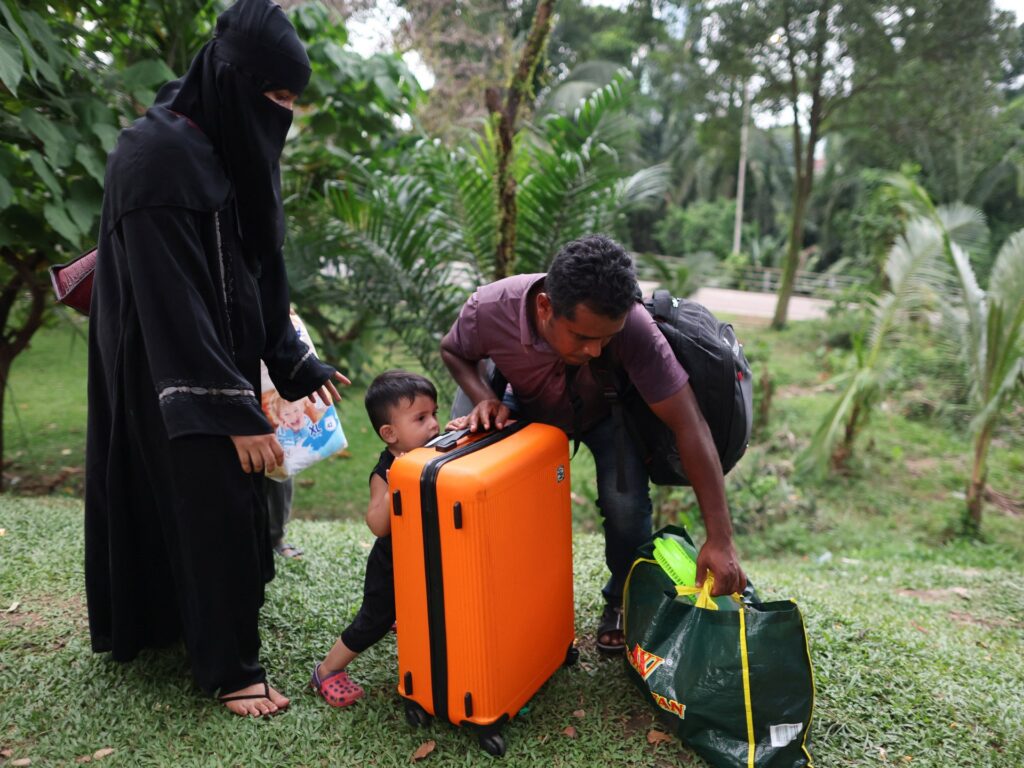
Malaysia is set to begin the first phase of its repatriation plan next month, returning approximately 1,500 Rohingya refugees to Myanmar. The move comes amid ongoing concerns about the refugees’ safety and the humanitarian situation in Myanmar, where the Rohingya minority has long faced persecution.
The Malaysian government has stated that the repatriation will involve only those Myanmar nationals who are ‘willing to return voluntarily.’ Authorities emphasize that participation is voluntary and aim to ensure that no one is forcibly returned against their will. However, human rights groups and refugee advocates have expressed serious worries about the potential risks faced by repatriated individuals.
The Rohingya people, a Muslim minority group in Myanmar, have endured decades of discrimination, statelessness, and violence, including mass killings and displacement since 2017. Many fled across borders to neighboring countries, including Malaysia, which has become home to a significant Rohingya refugee population seeking safety and better living conditions.
Despite promises of voluntary return, critics argue that the conditions in Myanmar remain unsafe for the Rohingya, with ongoing military presence and reports of human rights abuses. There is a concern that repatriated refugees could face detention, harassment, or worse upon their return.
Malaysia’s repatriation plan seems to align with regional efforts to manage the large influx of Rohingya refugees, but it raises questions about the broader international response to the crisis. Organizations such as the United Nations have called for durable solutions that prioritize the safety, dignity, and rights of refugees, urging Myanmar to address root causes of displacement.
The Malaysian government claims it has consulted with multiple stakeholders and will provide assistance to those returning, including coordination with Myanmar authorities to ensure protection. However, details on the safeguards and monitoring mechanisms remain unclear.
The announcement also highlights the challenges faced by countries like Malaysia that host significant numbers of refugees but lack formal resettlement programs or pathways to citizenship for people fleeing conflict and persecution.
As the timeline for repatriation approaches, human rights groups are intensifying calls for the international community to intervene and support the Rohingya population. They advocate for comprehensive protection strategies and long-term solutions that extend beyond temporary returns to unstable areas.
This development marks a critical moment in the ongoing Rohingya refugee crisis, underscoring the urgent need for collaboration and respect for human rights in addressing refugee movements in Southeast Asia and beyond.