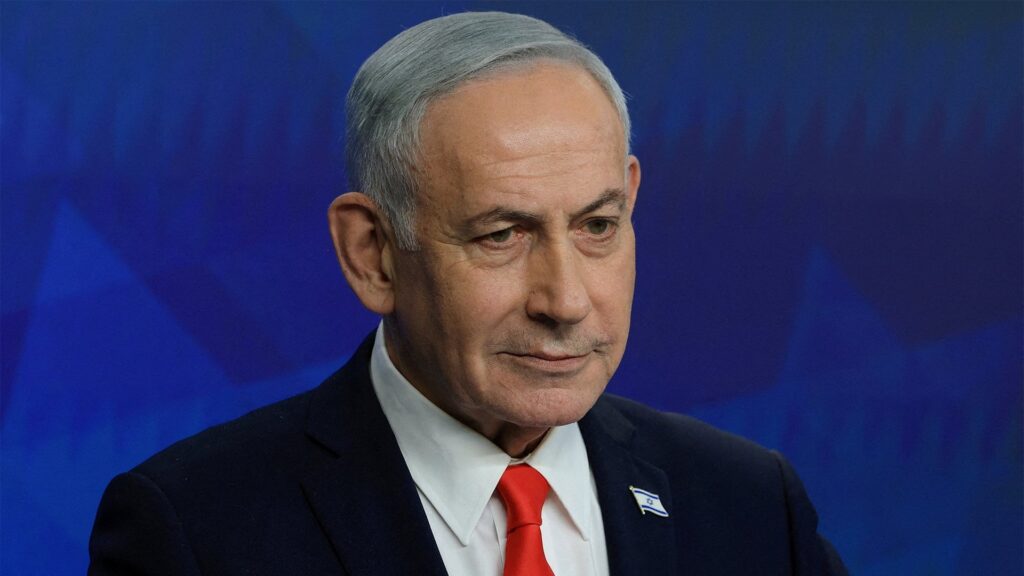
A former US diplomat has publicly asserted that Israeli Prime Minister Benjamin Netanyahu perceives significant political value in framing Turkey as Israel’s newest enemy. This perspective suggests that Netanyahu might be leveraging the complex and often strained relations with Turkey to bolster his domestic political standing or to shift focus within Israel’s geopolitical landscape.
The tensions between Israel and Turkey have been historically fraught, with episodes of disagreement over policies related to the Middle East, particularly regarding the Palestinians, Syria, and regional security matters. Traditionally, both countries maintained diplomatic relations, but under Netanyahu’s leadership, there has been a noticeable hardening in rhetoric and diplomatic posture.
The diplomat’s statement highlights an analysis that Netanyahu’s approach could be partly driven by internal political calculations rather than solely by foreign policy imperatives. By casting Turkey as a formidable adversary, Netanyahu may be aiming to unify certain segments of the Israeli electorate or distract from domestic challenges.
This viewpoint also raises questions about the broader implications for regional diplomacy. Turkey, under President Recep Tayyip Erdoğan, has also taken a more assertive stance in regional politics, often critical of Israeli actions, which complicates the bilateral relationship further.
Observers suggest that this adversarial framing could harden existing divisions, making constructive dialogue between the two nations more difficult. It might also impact Israel’s cooperation with other regional partners and influence the geopolitical dynamics in the Eastern Mediterranean.
Netanyahu’s strategy, if indeed motivated by political gain as suggested, reflects a broader trend in international politics where leaders sometimes utilize external conflicts or tensions to solidify support at home. However, such tactics carry risks, potentially escalating conflicts or undermining long-term diplomatic objectives.
In conclusion, the former US diplomat’s insight into Netanyahu’s stance on Turkey sheds light on the intersection between domestic political strategy and international relations. It underscores the complexity of Middle Eastern geopolitics and the delicate balancing act leaders perform amid competing interests and pressures. As this situation unfolds, stakeholders will be closely monitoring how Israel-Turkey relations evolve and what this means for the broader regional stability.