Ghana is currently grappling with a significant healthcare funding shortfall of $78.2 million, a crisis largely attributed to recent cuts in US aid. This financial gap poses a severe threat to the country’s progress in child immunisation programs, risking a reversal of hard-won public health achievements.
The US has been a major contributor to Ghana’s healthcare sector, particularly in supporting immunisation initiatives that protect children from life-threatening diseases. The reduction in aid funds jeopardizes the supply of vaccines, as well as the infrastructure and personnel necessary to deliver these essential health services.
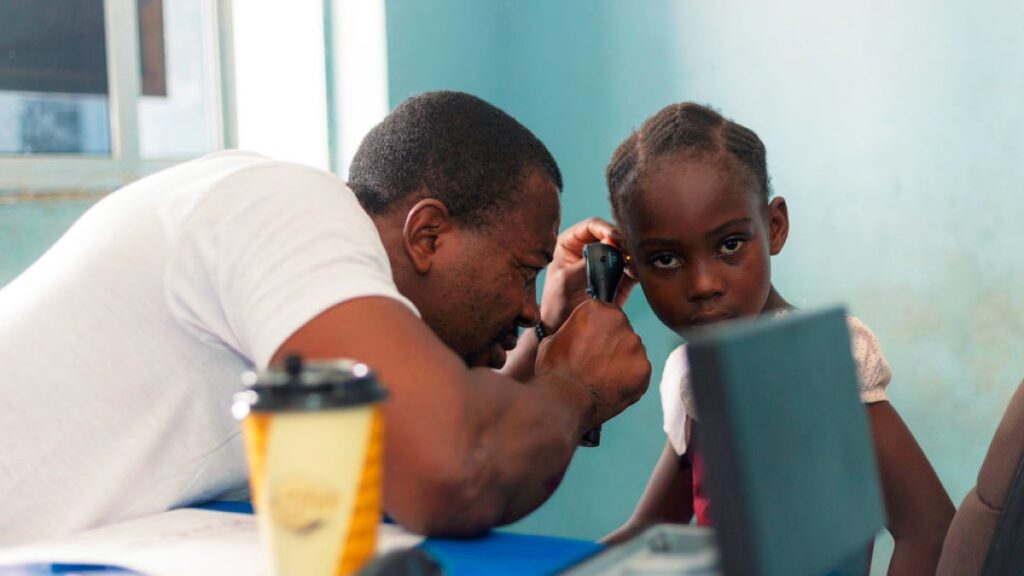
Immunisation efforts in Ghana have historically led to substantial declines in vaccine-preventable diseases among children, improving overall child health and survival rates. However, the current funding crisis threatens the sustainability of these efforts.
Healthcare officials and international partners express concern that the shortfall could lead to lower immunisation coverage, increasing the vulnerability of children to outbreaks of diseases like measles, polio, and diphtheria. These outbreaks not only endanger children’s health but also impose heavy economic burdens on families and the healthcare system.
The government of Ghana is exploring alternative funding mechanisms and partnerships to mitigate the impact of the aid cuts. However, the scale of the shortfall makes it challenging to fully compensate for the lost US aid.
Experts emphasize the importance of continued investment in immunisation as a cost-effective public health measure that saves lives and reduces healthcare costs in the long term. They warn that disruptions in vaccine delivery could erase years of progress and have long-lasting repercussions on child health outcomes.
Community health workers, who play a critical role in administering vaccines and educating families, are also at risk of being affected by the funding gap. Reduced support could hamper outreach efforts, especially in remote and underserved areas.
The aid cuts arrive at a time when Ghana is striving to strengthen its healthcare system and improve access to essential services for all citizens. The setback illustrates the broader challenges faced by low- and middle-income countries that depend heavily on international aid for crucial health programs.
International organisations are being called upon to step up support to fill the funding void and ensure that Ghana’s immunisation programs remain robust and capable of protecting children nationwide.
The situation in Ghana highlights the precarious nature of health financing in many parts of the world, where external aid plays a pivotal role in sustaining vital programs. It underscores the need for diversified and sustainable funding strategies to safeguard health gains against future uncertainties.
In conclusion, the $78.2 million funding shortfall resulting from US aid cuts poses a serious threat to Ghana’s immunisation achievements. Without urgent intervention and support, the country risks losing critical health protections for its children, potentially leading to increased disease outbreaks and setbacks in public health progress.