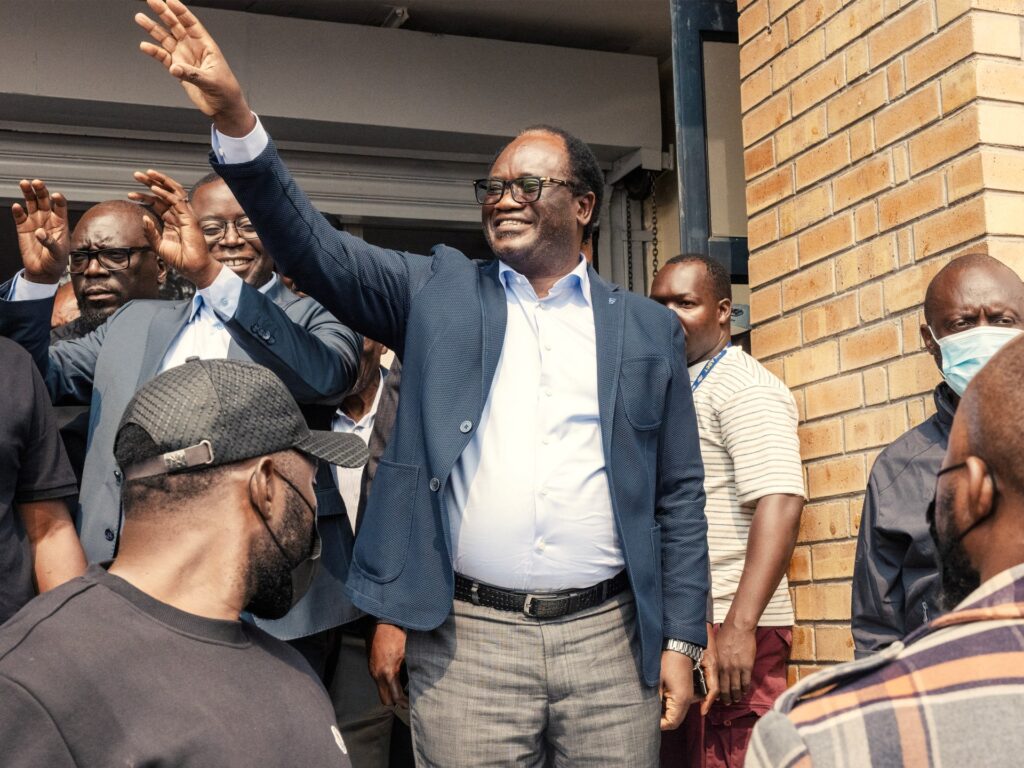
In Zambia, significant political turbulence has unfolded following the recent presidential elections. The opposition leader, a key figure in the country’s political landscape, has been questioned over allegations of treason. This development has heightened tensions in the already charged atmosphere surrounding the election’s aftermath.
The backdrop to this situation is the presidential election, in which Hakainde Hichilema, the opposition candidate, has been declared the winner. His victory initially appeared to promise a renewed political direction for Zambia. However, the transition has not been smooth, with various elements of the political process and legal system coming under intense scrutiny.
One of the most notable incidents in this period of uncertainty came on Monday, which marked the final day to file a legal challenge against Hichilema’s election win. Coincidentally, Zambia’s entire judiciary was closed on this pivotal day, preventing any further court actions related to the election dispute. This unprecedented closure added to the controversy, sparking debates about the independence and operation of the judiciary.
The questioning of the opposition leader on charges of treason has been viewed by many as a political maneuver amidst the post-election conflict. Treason is a serious accusation that involves betraying the country, a charge that carries heavy legal and political consequences. The specific reasons for the questioning have not been fully disclosed, but it is widely understood to be linked to the political tensions following the election.
Observers both within Zambia and internationally are watching closely as this political drama unfolds. Many have expressed concerns over the implications for democracy and the rule of law in Zambia. The opposition insists that the election was free and fair, and that attempts to undermine the results are dangerous for the country’s stability.
President Hichilema, who ran on a platform promising economic reform and national unity, now faces the challenge of governing amid a divided political environment. His mandate is legally recognized but politically contested, which complicates efforts to move forward.
The closure of the judiciary on such a critical day has raised serious questions about access to justice and the proper avenues for electoral grievances. Legal experts have criticized the timing and the impact such a closure could have on public confidence in judicial fairness.
This situation in Zambia underscores the fragility of democratic institutions in emerging democracies. The balance between political power, judicial independence, and citizen rights remains a delicate and critical issue.
As events continue to develop, the eyes of the world remain on Zambia. The outcomes of these proceedings will likely have significant implications for the country’s political future and regional stability.
In summary, Zambia is experiencing a significant political crisis following the presidential elections. The opposition leader’s questioning over treason, the judiciary’s closure on the deadline for election challenges, and the contested legitimacy of the new president all contribute to an uncertain political climate. The resolution of these issues will be crucial for Zambia’s democratic health and its path ahead.