The death of Ratko Mladic, often referred to as the ‘Butcher of Bosnia’ for his role in war crimes during the Bosnian War, has elicited a wide range of reactions throughout Bosnia and Herzegovina. Mladic was a Bosnian Serb military leader convicted of genocide, war crimes, and crimes against humanity, most notoriously for the Srebrenica massacre in 1995.
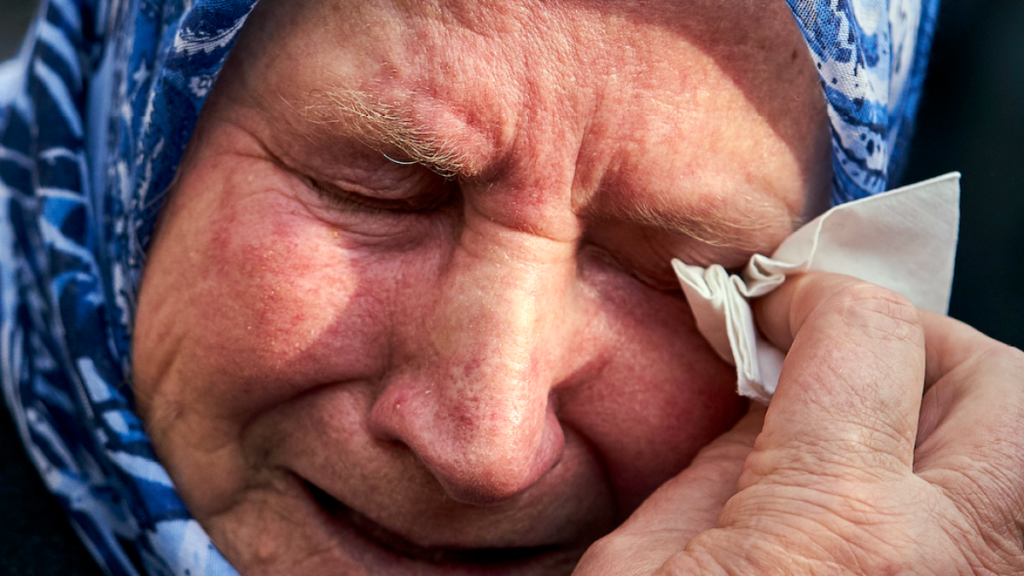
In the wake of news of his passing, many Bosniaks and Croats have expressed relief and a sense of justice served, viewing his death as a closure to a painful chapter in the region’s history. “His death is a reminder of the horrors we endured but also a marker of justice finally being met,” said a Bosniak community leader.
Across many parts of Bosnia, public sentiment has underscored the importance of remembering these war crimes to prevent their recurrence. “It’s crucial that we never forget what happened under his command,” stated a survivor of the Srebrenica massacre. The widespread hope is that Bosnia and Herzegovina can continue moving toward reconciliation despite the difficult memories.
On the opposite side, some Serbs have lamented the passing of Mladic, portraying him as a hero who defended his people during the war. However, many voices within the Serb community have condemned the atrocities he committed. “Even his own family should not be mourning him,” remarked a local human rights activist. This standpoint highlights the continuing divide in perception about Mladic’s role and legacy.
Internationally, human rights organizations have reaffirmed the importance of accountability and justice regarding war crimes. The death of Mladic is seen not as the end of justice but the continuation of Bosnia’s difficult path toward healing.
The government’s official statement called for unity, emphasizing respect for the victims and the necessity of fostering peace and coexistence among all ethnic groups. Memorial services and discussions have been organized by various organizations to honor the victims of the war and educate future generations about these atrocities.
In conclusion, the death of Ratko Mladic has sparked a complex wave of emotions and thoughts, illustrating the deep scars left by the Bosnian War and reminding all communities of the ongoing need for justice, reconciliation, and peace in Bosnia and Herzegovina.