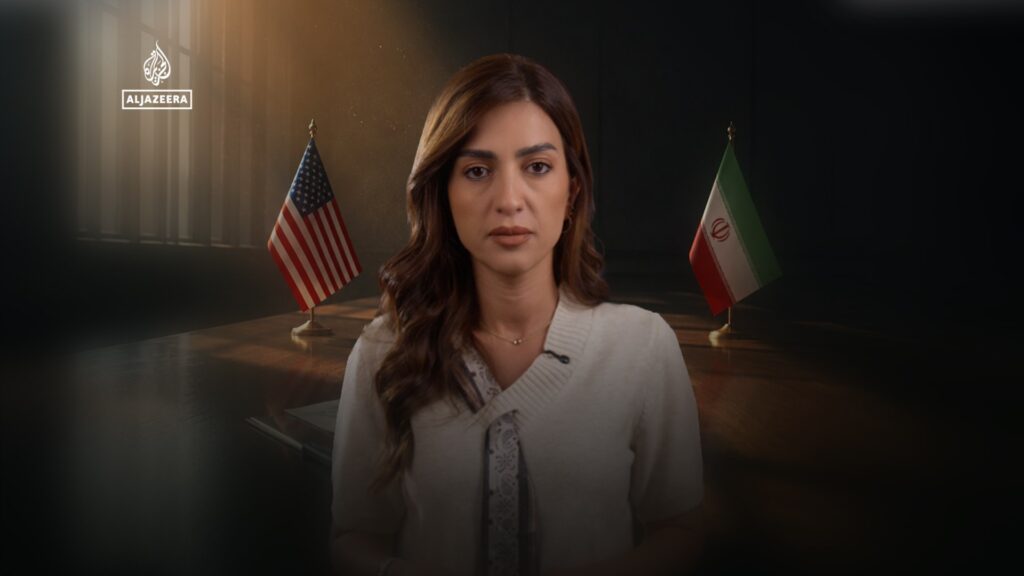
Tensions surrounding Iran have escalated matters that many feared could lead to direct conflict, but signs of diplomacy are emerging as key players engage in high-stakes negotiations. Recent developments suggest that while the threat of war looms, significant diplomatic efforts are underway to de-escalate the situation and forge potential pathways to peace in a volatile region.
One notable event was the high-profile interview of former U.S. President Donald Trump with Al Jazeera, a major international news network known for its influence in the Middle East. In this interview, Trump reiterated his positions on Iran, highlighting the complexities of U.S.-Iran relations and underscoring the importance of diplomatic channels amid ongoing tensions. He emphasized that dialogue, despite the challenges, remains a critical tool to avoiding war.
Adding to the diplomatic momentum, Qatar’s Prime Minister recently visited Tehran, marking one of the most significant diplomatic engagements in recent months. This visit underscores Qatar’s role as a mediator in Middle Eastern conflicts and reflects ongoing efforts to establish a dialogue with Iran that could pave the way for broader regional stability. The Prime Minister’s discussions focused on reducing tensions and exploring mutual interests that could foster cooperation rather than conflict.
Furthermore, in a critical development for international maritime security, a temporary agreement has been reached regarding navigation routes through the Strait of Hormuz, a strategic chokepoint through which a substantial share of the world’s oil supply is transported. This agreement aims to ensure uninterrupted maritime traffic, reduce risks of accidental clashes, and maintain the flow of vital commercial shipments. The route agreement is a tangible example of how diplomacy can provide practical solutions amid geopolitical crises.
These diplomatic initiatives suggest a concerted effort by multiple actors to shift away from confrontation toward dialogue and negotiated solutions. The combined involvement of influential figures such as Trump, regional leaders like Qatar’s Prime Minister, and international agreements on navigation indicate a complex but hopeful scenario where war might still be avoided through measured diplomatic engagement.
However, the situation remains precarious. Any missteps or escalations could quickly reverse these gains, highlighting the need for sustained and careful diplomacy. The international community watches closely as these diplomatic efforts unfold, aware that the stakes involve not only regional security but also global economic stability.
In summary, the current dynamics around Iran reflect a mix of high tensions and hopeful diplomacy. As the world stands on edge concerning potential conflict, these key diplomatic moves provide a glimpse of a possible path to peace through dialogue, negotiation, and collaboration on shared interests such as maritime security.