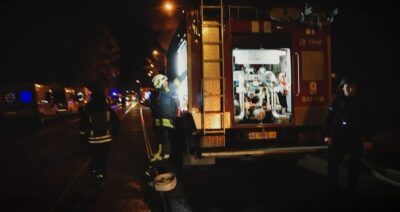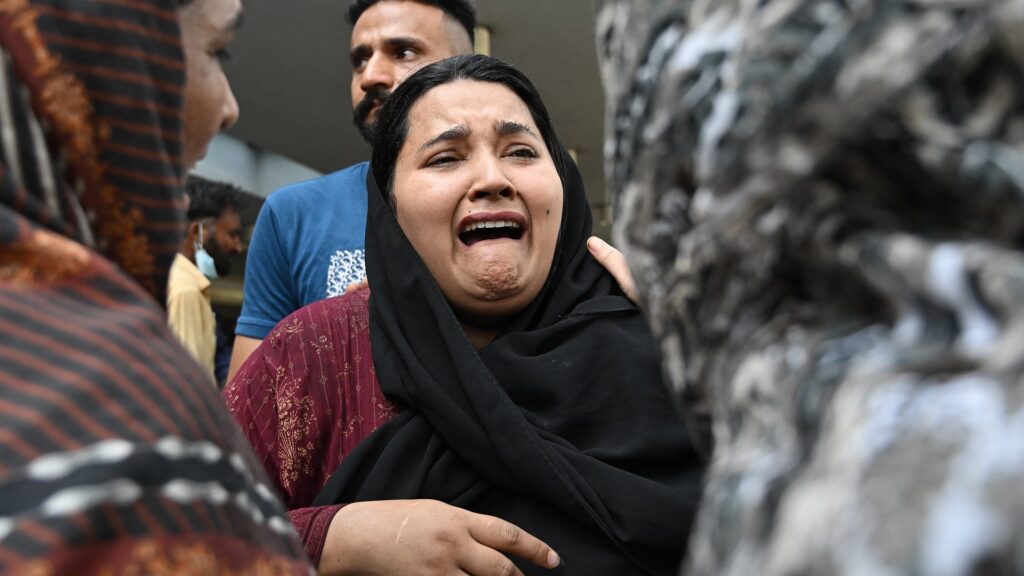
In a heart-wrenching tragedy that has shocked the nation, funerals have commenced for the 14 infants who perished in the devastating fire at Islamabad’s Institute of Medical Sciences (IMS). The incident, which unfolded in one of the hospital’s neonatal units, has ignited widespread fury and grief among the parents and families affected, as they demand urgent accountability and answers.
The fire broke out suddenly, engulfing the neonatal intensive care unit and causing immeasurable loss. The infants, some just days old, were critically ill and on life support. Parents who had placed their trust in the medical staff for their babies’ survival are now grappling with incomprehensible sorrow and anger.
As funerals proceed, the emotional weight carried by the grieving families is palpable. Relatives and community members have gathered in large numbers to pay their final respects to the innocent lives lost. Tears and cries resonate through the venues where the tiny coffins lie, wrapped in cloths bearing their names.
This tragedy has raised serious questions about fire safety standards and hospital infrastructure across the country. Critics point out that outdated facilities, lack of emergency preparedness, and insufficient fire safety measures in healthcare institutions have led to this catastrophic event.
Local authorities and government representatives have vowed prompt investigations to determine the cause of the fire and to hold responsible parties accountable. However, many parents express skepticism toward official promises and call for transparency, demanding systemic reforms to prevent such disasters from recurring.
Medical staff working at IMS during the fire have reported chaos and panic, with attempts to evacuate the vulnerable babies quickly hampered by limited resources and confined spaces. Emergency responders arrived promptly but were challenged by the intensity of the blaze and the high-risk nature of the patients in the unit.
The Islamabad Institute of Medical Sciences, a key public hospital serving a vast population, faces immense scrutiny amidst growing public outrage. Advocates for patient safety have labeled the event as a tragic failure of governance and healthcare management.
Public demonstrations have sprung up, with citizens mourning the loss but also rallying for change. Social media campaigns are amplifying calls for improved healthcare facilities, mandatory fire safety protocols, and accountability from hospital administrations.
Experts emphasize that this disaster serves as a grim reminder that investments in healthcare infrastructure and safety protocols cannot be overlooked. Ensuring the wellbeing of vulnerable patients, especially newborns in intensive care, requires adherence to stringent safety codes and regular audits.
As families bury their children, the country mourns with them. Yet, amid sorrow, the communal call for justice and reform grows louder. Authorities are urged to honor the memory of these precious lives by making immediate and lasting changes to hospital safety standards.
This tragedy has united a nation in grief and resolve. The loss of 14 infants is not just a sorrowful event but a catalyst demanding urgent action. Parents, citizens, and officials alike face a solemn imperative: to ensure that no family must ever endure such a devastating loss again.