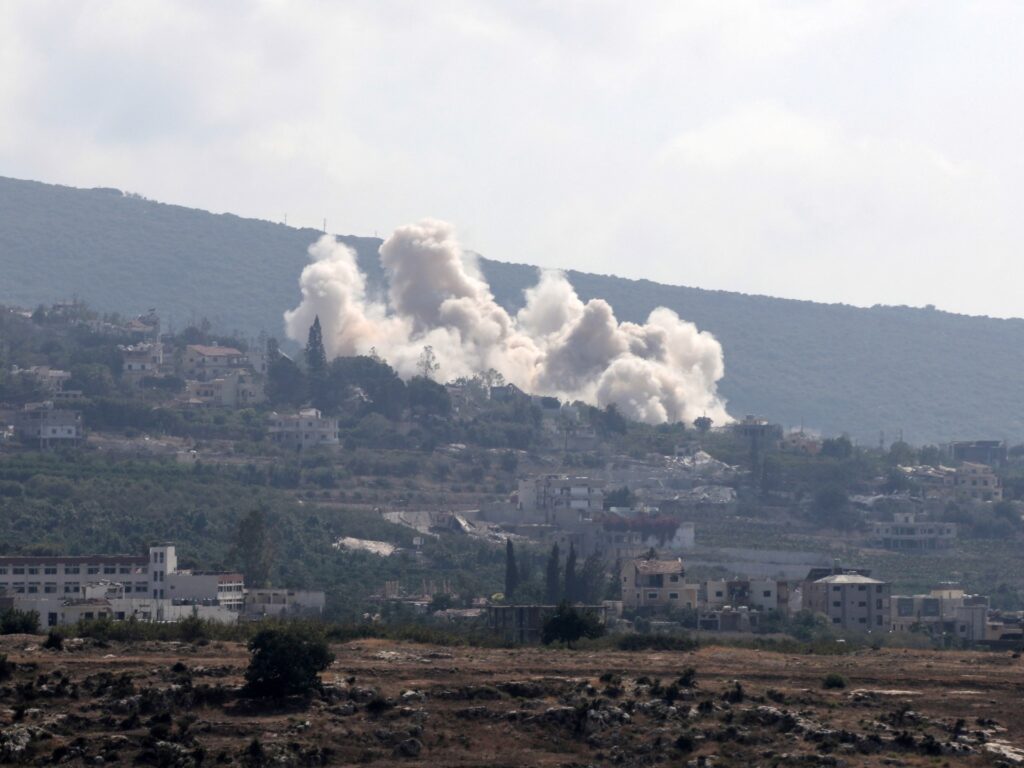
In recent developments, Israel has intensified its military operations targeting Syria and Lebanon despite ongoing American diplomatic efforts aimed at de-escalating the conflict. These actions include a series of artillery attacks, air raids, and ground incursions that have raised concerns about regional stability and the effectiveness of US diplomacy.
Israeli forces have been launching artillery shelling into Syrian territories, which are often described as responses to hostile threats or attempts to prevent weapon transfers to militant groups. Similarly, northern Lebanon has experienced an uptick in Israeli air raids and limited incursions, reflecting Israel’s concern over militant activity near its borders.
The United States, meanwhile, has been actively advocating for a reduction in hostilities through diplomatic channels. Washington’s approach emphasizes negotiations, conflict resolution, and support for peaceful measures in hopes to curb the violence and promote stability in the region.
However, the persistent Israeli military activities have sparked widespread questions regarding the US commitment to ending the strikes, as the continued operations seemingly contradict the diplomatic efforts. Regional analysts and diplomats express skepticism about the feasibility of peace initiatives if aggressive actions persist on the ground.
These ongoing strikes have resulted in casualties and infrastructural damage within both Syria and Lebanon. Civilians have been significantly affected, further exacerbating the humanitarian crisis in these conflict zones. International organizations have called for restraint and urged all parties to respect international law and prioritize civilian safety.
Israeli officials defend their operations, stating that the strikes are necessary to protect national security and preempt threats from militant factions, especially Hezbollah in Lebanon and Iranian-aligned groups in Syria. They argue that diplomacy cannot succeed without addressing security concerns adequately.
On the diplomatic front, the US is working closely with regional allies and international partners to broker ceasefires and establish dialogue among conflicting parties. Efforts include engaging with Syrian government representatives, Lebanese officials, and other stakeholders to find a sustainable solution.
Experts note that the complexity of the conflict, involving multiple actors with divergent interests, makes resolution challenging. The presence of non-state actors, proxy engagements, and external influences complicate diplomatic negotiations.
Despite the challenges, the US and its allies remain committed to pursuing diplomatic avenues as the preferred path to peace. They emphasize that military actions should ideally be replaced by dialogue and political solutions.
In summary, Israel’s continued military operations in Syria and Lebanon amidst US-led diplomacy highlight the delicate balance between security imperatives and the pursuit of peace. The ongoing strikes underscore the volatile nature of the region and the intricate difficulties faced by international efforts to resolve the conflicts peacefully.
The situation remains fluid, with the potential for escalation or breakthrough dependent on the actions and cooperation of all involved parties. The international community watches closely as efforts to reconcile these opposing dynamics continue.