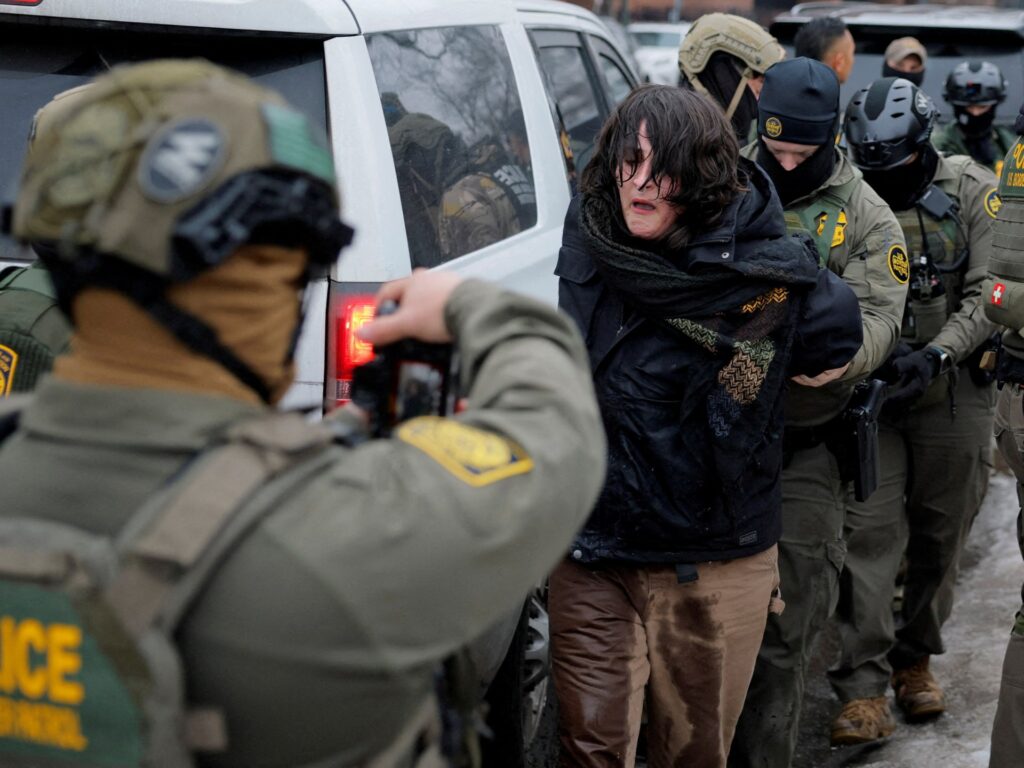
In a significant courtroom development, a US judge has declined Minnesota’s petition to compel Texas to extradite ICE agent Christian Castro. Castro is currently facing criminal charges linked to the shooting of a Minnesota man in the leg during an immigration enforcement raid.
The incident that sparked the legal battle occurred during an immigration raid conducted by ICE agents. Christian Castro, an agent involved in the operation, allegedly shot a Minnesota resident, causing serious injury. This led to criminal charges being filed against Castro in Minnesota.
Subsequently, Minnesota authorities sought to have Castro extradited from Texas to face these charges. However, a judge presiding over the matter ruled against the extradition request, allowing Castro to remain in Texas for the time being.
This decision has stirred considerable controversy, highlighting the complexities and interstate legal challenges involved in prosecuting law enforcement officers connected to immigration enforcement activities. The ruling also underscores the varying degrees of cooperation among states in such extradition cases.
Legal experts point out that extradition cases involving law enforcement personnel are often fraught with political and jurisdictional sensitivities. Texas has historically been cautious about surrendering its law enforcement agents to other states, especially in matters related to immigration enforcement.
The Minnesota man’s injury and the subsequent charges have drawn widespread attention to ICE’s operational conduct and accountability measures. Advocates for immigrants’ rights have criticized the shooting and called for comprehensive investigations into ICE’s enforcement tactics.
In contrast, supporters of the ICE agents argue that these operations are essential for maintaining immigration laws and public safety, and that agents often face dangerous and unpredictable situations.
The judge’s refusal to enforce extradition leaves Minnesota prosecutors with limited options to move forward with their case against Castro. Potential next steps may include pursuing legal negotiations with Texas authorities or exploring alternative legal strategies.
This case is emblematic of broader national debates surrounding immigration policy enforcement, law enforcement accountability, and the balance of state and federal powers in addressing criminal actions linked to federally employed agents.
As the situation develops, both Minnesota and Texas legal communities are closely monitoring the implications of the ruling. The outcome may influence future cases involving the movement and prosecution of law enforcement officers across state lines.
Stakeholders on all sides anticipate further judicial maneuvering as the case progresses, with potential appeals and legal challenges expected in the coming months.
The incident has also prompted discussions about the need for clearer federal guidelines and oversight to handle similar cases more effectively, ensuring justice is served while respecting jurisdictional boundaries.
For now, Christian Castro remains in Texas, and Minnesota’s pursuit of justice in this case faces a significant hurdle. Observers await additional statements from both states and ICE regarding next steps and the impact of the ruling on ongoing immigration enforcement practices.
The dialogue sparked by this event continues to resonate across communities concerned with immigration policy, legal accountability, and interstate cooperation in law enforcement matters.