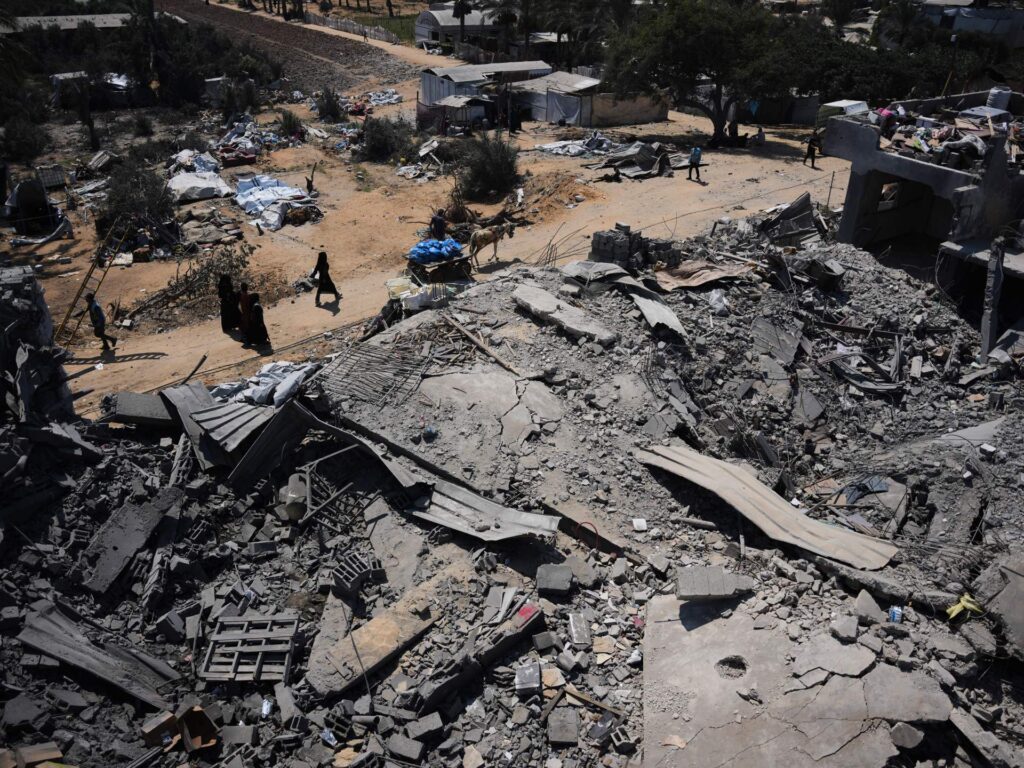
The recent failure of the Israel-Hamas truce has been described as a ‘point of no return’ by a close envoy involved in the peace efforts. This development marks a significant setback in the ongoing attempts to stabilize the Gaza region and prevent further escalation of conflict. In a surprising move, Hamas has pledged to hand over its weapons, signaling a willingness to comply with a US-backed plan aimed at reducing hostilities and promoting lasting peace in Gaza. However, this offer has been firmly rejected by Israeli Prime Minister Benjamin Netanyahu, who remains skeptical about Hamas’s intentions and the feasibility of the proposed plan. Netanyahu’s refusal stems from concerns over security and the potential risks of disarming an organization historically viewed as a terrorist group by Israel and its allies. The breakdown of the truce and the divergent responses to the US proposal highlight the deep complexities and entrenched mistrust that continue to characterize the Israeli-Palestinian conflict. Observers warn that without mutual cooperation and genuine commitment from both parties, the situation in Gaza could deteriorate further, leading to increased violence and instability in the region. The envoy’s warning underscores the urgency for renewed diplomatic efforts to bridge the gap and prevent a complete collapse of peace initiatives. As international stakeholders monitor the evolving situation, there is a growing consensus that innovative and inclusive approaches are necessary to address the root causes of the conflict and achieve sustainable peace. The recent events serve as a critical reminder of the fragile nature of ceasefires in conflict zones and the challenges in translating diplomatic agreements into lasting reality. Moving forward, the global community faces the pressing task of mediating dialogue between Israel and Hamas to avoid further bloodshed and humanitarian crises. The failure of the truce has not only intensified fears of renewed conflict but also highlighted the broader geopolitical tensions influencing the Middle East region. Continued instability in Gaza threatens to impact neighboring countries and complicate international responses to terrorism and regional security. In light of these developments, experts emphasize the importance of maintaining channels of communication and supporting grassroots peacebuilding efforts alongside high-level negotiations. The situation remains highly fluid, with diplomatic actors striving to find common ground amid deep-seated animosities. The ongoing impasse reflects the broader challenges of resolving long-standing conflicts where historical grievances and security concerns intersect. Ultimately, the path to peace will require concessions, trust-building, and a shared vision for coexistence that prioritizes the welfare of all affected populations. As the world watches closely, the coming weeks will be pivotal in determining whether the truce failure marks an irreversible escalation or a catalyst for renewed dialogue and reconciliation. The hope persists that despite setbacks, collective efforts can pave the way for a more peaceful and stable future in Gaza and beyond.