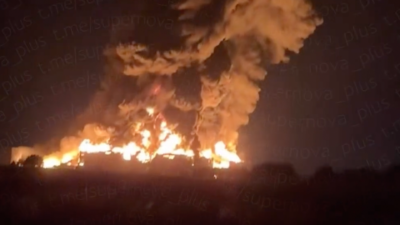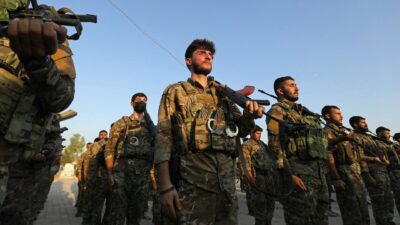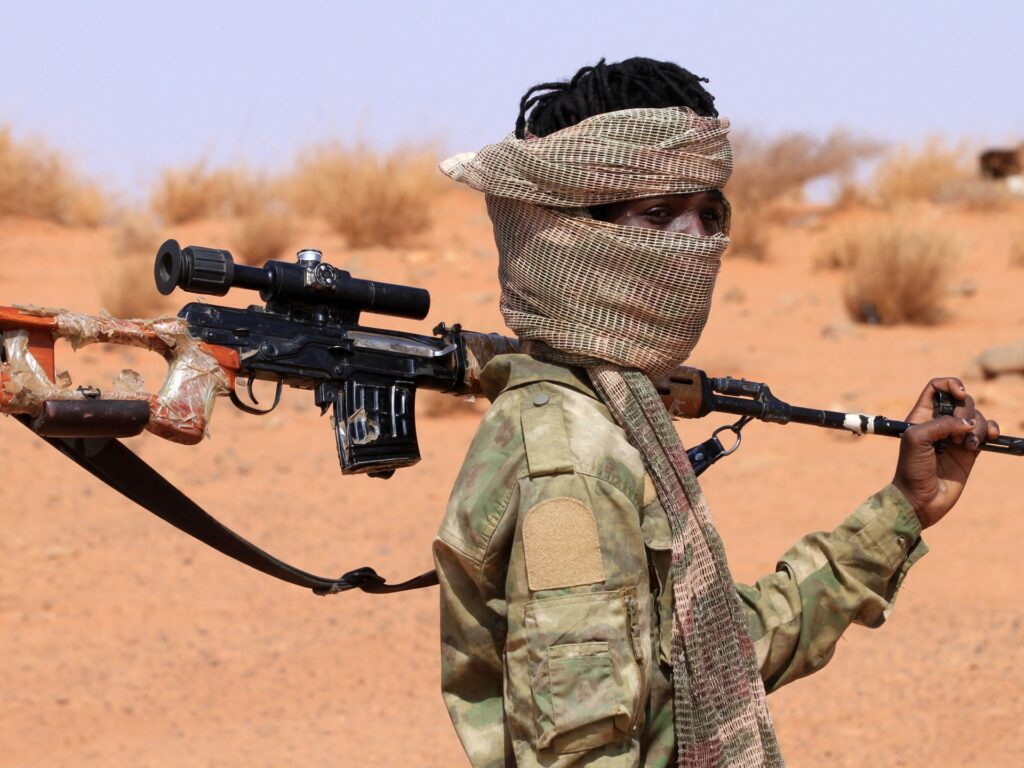
A recent surge of violence in Sudan’s Kordofan region has resulted in a tragic loss of life, with dozens reported killed in rebel attacks, according to the Sudan Doctors Network. The group conveyed that the Sudan People’s Liberation Movement-North (SPLM-N) rebels were responsible for the deaths of 27 individuals in South Kordofan, a region already burdened by conflict and instability.
Among the victims were four children, underscoring the severe impact of the violence on the civilian population. The attacks have once again drawn international attention to the fragile security situation in Sudan, where ongoing clashes have frequently endangered innocent lives and hindered humanitarian assistance.
South Kordofan, situated to the south of Sudan, has been a hotspot for conflict between government forces and rebel groups like SPLM-N for years. The group’s motivations stem from political and ethnic grievances, which have fueled prolonged unrest and periodic escalations in violence throughout the region.
The Sudan Doctors Network, an independent medical organization, has been closely monitoring the situation and providing preliminary data on casualties resulting from recent engagements. Their reports indicate a significant spike in casualties over a short period, painting a grim picture of the conflict’s human toll.
Local authorities and humanitarian agencies have expressed concern over the increasing civilian deaths, reiterating the urgent need for ceasefire agreements and peaceful negotiations to prevent further bloodshed. Despite previous peace talks, the region remains volatile, with attacks disrupting the lives of tens of thousands who reside there.
The killing of four children during the attacks highlights the devastating consequences that the conflict has on the most vulnerable populations. Children in conflict zones are often subjected to trauma, displacement, and a lack of access to essential health and educational services.
International human rights organizations have condemned the attacks and are calling for immediate investigations to hold perpetrators accountable. They urge all parties involved to respect international humanitarian law and protect civilians from harm.
Efforts to mediate between the Sudanese government and SPLM-N have been ongoing for years, with varying degrees of success. However, recent violence suggests that meaningful resolution remains elusive, with both sides blaming each other for the escalation.
The Sudanese conflict, including the situation in Kordofan, is complex, involving historical injustices, ethnic tensions, and competition over resources. These underlying causes complicate peace efforts and prolong instability in the region.
The government has been criticized for its handling of the conflict, with accusations of harsh military responses and insufficient protection for civilians in affected areas. Meanwhile, rebel groups claim to be fighting for political representation and the rights of marginalized communities.
Humanitarian organizations are calling for increased access to South Kordofan to deliver aid and support to those impacted by the violence. Restrictions on movement and insecurity have posed significant challenges to aid delivery, exacerbating the suffering of the population.
As international actors watch these developments closely, there is a growing consensus that sustainable peace in Sudan requires inclusive dialogue, respect for human rights, and immediate steps to end hostilities.
The recent rebel attacks and casualties underscore the urgent need for renewed peace efforts and a comprehensive approach to address the root causes of Sudan’s conflicts. Without such commitment, South Kordofan risks further deterioration, with devastating impacts on its people.
The Sudan Doctors Network continues its work documenting casualties and providing medical support, advocating for increased international attention and humanitarian assistance to alleviate the crisis.
This tragically violent episode in Sudan is a reminder of the ongoing challenges faced by regions torn by conflict and the dire consequences when peace remains fragile and distant.