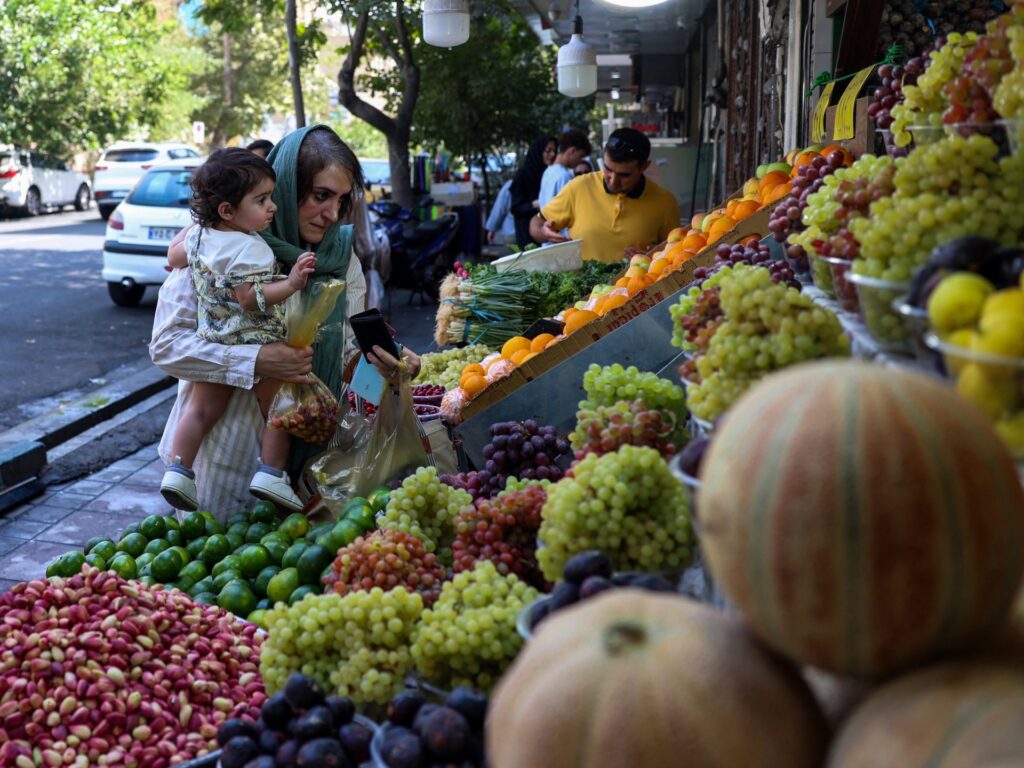
In a significant escalation of its economic pressure campaign, the United States has imposed a fresh round of sanctions on Iran, intensifying tensions between the two nations. The latest measures, announced by Washington, target key sectors of the Iranian economy and are designed to exert maximum financial pressure on Tehran’s leadership.
These sanctions come amid rising concerns over Iran’s regional activities and its nuclear program, which have long been points of contention between Tehran and Washington. The United States government has publicly stated that these sanctions aim to curtail Iran’s ability to fund activities that destabilize the Middle East.
Alongside imposing new sanctions, US officials have issued a clear and direct warning to Iran’s international trade partners. Countries and companies that continue to engage in commerce with Iran are now being told to choose between maintaining ties with Washington or risking severe economic consequences.
This warning marks an aggressive stance by the US, signaling zero tolerance for entities that ignore these sanctions. The administration has emphasized that secondary sanctions will be applied against non-US firms and countries that facilitate Iran’s trade, potentially isolating Tehran further on the global stage.
Experts observe that these measures could lead to significant disruptions in global markets, particularly in sectors such as oil, where Iran is a major player. Countries that rely on Iranian oil or have strong trade relationships with Tehran may face tough economic choices in the coming months.
International reactions to the US move have been mixed. Some allies have expressed support for Washington’s efforts to curb Iran’s influence, while others have raised concerns about the potential impact of renewed sanctions on diplomatic efforts and regional stability.
Iranian officials, for their part, have condemned the new sanctions as unjust and an act of economic aggression. Tehran has vowed to continue its policies and has threatened to retaliate if its trade partners are penalized.
The unfolding situation underscores the delicate balance of power in the Middle East and highlights the challenges facing diplomatic negotiations. As the US doubles down on its sanctions regime, the global community watches closely to see how Iran and its partners will respond.
This development represents the latest chapter in a long and complex history of US-Iran relations, characterized by periods of intense hostility and cautious engagement. The coming weeks are likely to prove crucial in determining whether these tensions escalate further or lead to renewed dialogues.
For now, the international community remains on high alert, monitoring the repercussions of the US sanctions and the responses from Tehran and its allies. The stakes are high, with potential implications for global security, energy markets, and the broader geopolitical landscape.